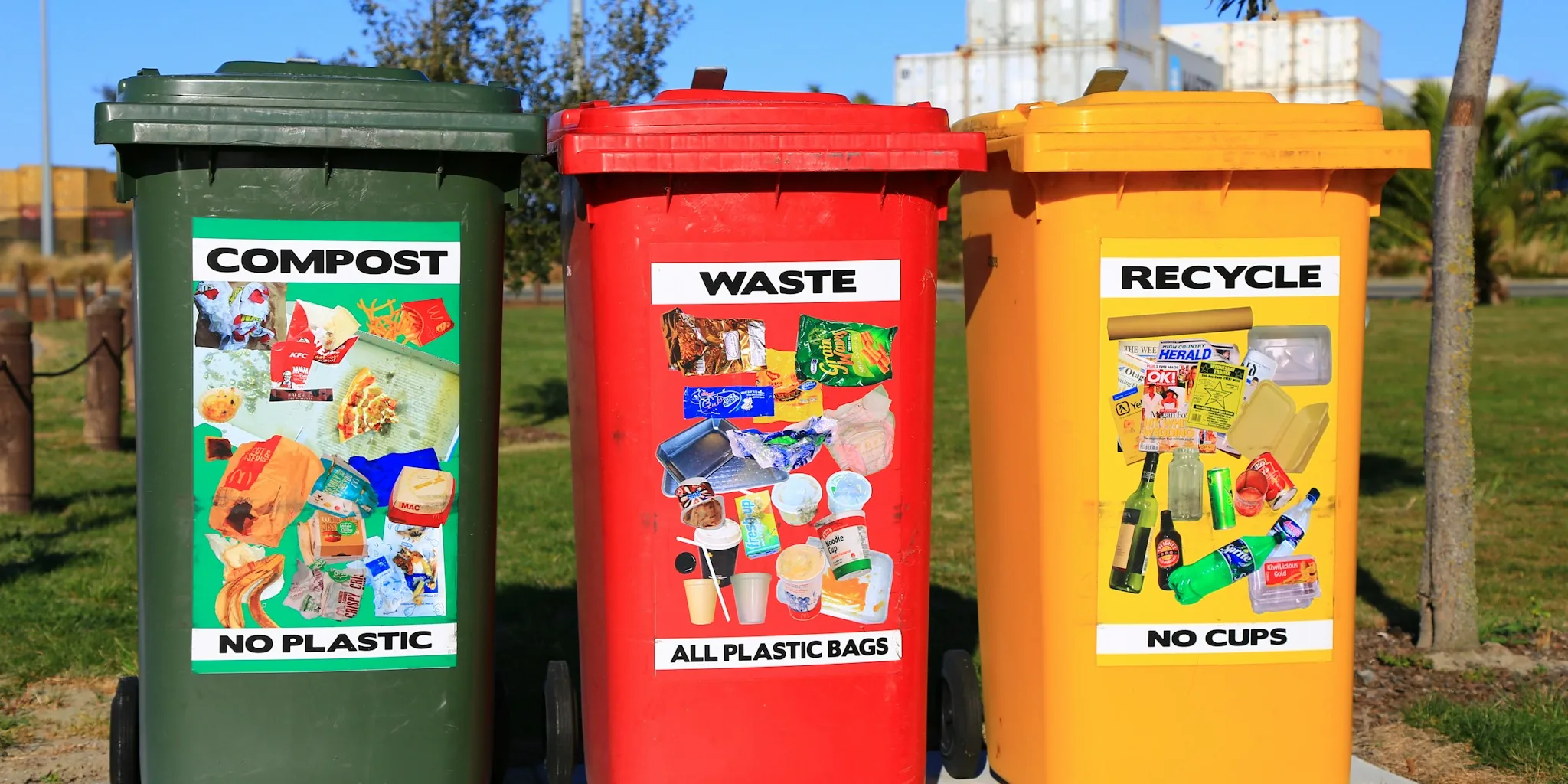

If you’re like most people, you probably think composting starts in the kitchen with vegetable scraps and coffee grounds. But bathroom habits matter too, and a common hygiene item you might already own could have a second life in your compost bin instead of the trash.
Cotton pads and cotton balls are increasingly recognized as compostable materials, yet most shoppers don’t realize this option exists or how to do it correctly. Understanding what can and cannot be composted from your bathroom routine is an easy way to reduce household waste while supporting sustainability goals.
Which Cotton Products Actually Break Down
Not all cotton items are created equal when it comes to composting. The first rule is simple: your cotton pads must be made from 100 percent cotton to be compostable. Cotton is classified as a brown material in composting systems, meaning it adds valuable carbon content that your pile needs to thrive properly.
Here’s where most shoppers get tripped up. Many manufacturers blend cotton with synthetic fibers like polyester to strengthen the pad and prevent it from falling apart during use. You can identify this hidden polyester mesh by getting a cotton pad wet and trying to pull it apart. If the pad doesn’t shred like a regular cotton ball or if you notice a shiny film on the surface, you’ve found the polyester layer. The good news is that if this mesh comes off easily, you can safely compost the cotton portion and discard only the synthetic component.
Cotton Q-tips and reusable cotton rounds follow the same rules. Reusable rounds made from cotton blended with other natural fibers like bamboo are fair game for your bin. Simply remove any polyester thread before composting. Unbleached paper Q-tips also compost well, making them a better choice than plastic stick varieties if sustainability is on your radar.
What You Used Your Cotton Pads For Matters
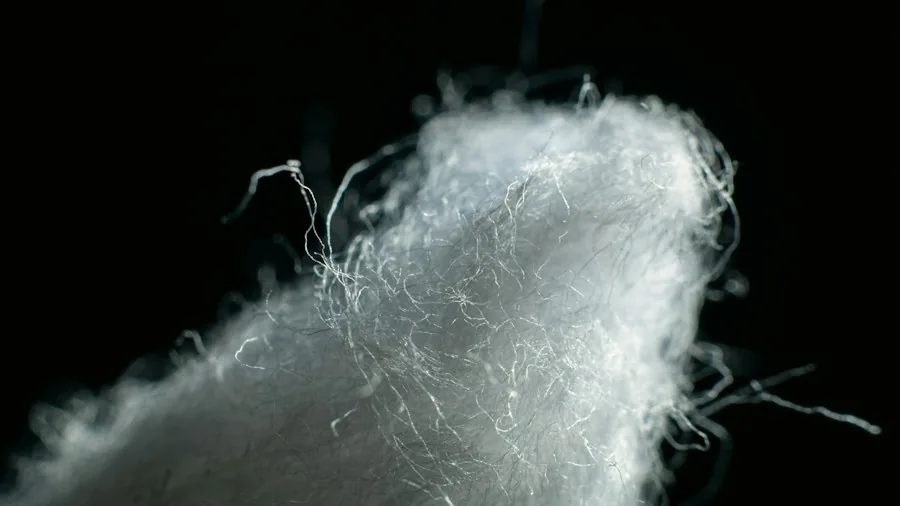
Composting isn’t just about the material itself; it’s also about what has been absorbed into it. Cotton pads used to remove makeup or nail polish have soaked up chemical products that have no place in your compost system. These contaminants can interfere with the composting process and potentially harm your finished compost.
However, if you’ve used your cotton pads with gentle, chemical-free products like witch hazel or micellar water for toner application or skin cleansing, they’re perfectly safe to compost. The key is avoiding any pads that have come into contact with acetone, makeup removers, or other harsh chemicals.
How to Prepare Cotton Pads for Composting

Simply tossing a whole cotton pad into your compost bin won’t get you the fastest results. To help your materials break down efficiently, follow these preparation steps. Cut or shred the pad into smaller pieces and wet them before adding to your bin. If your pads contain that polyester mesh layer, remove it first. These extra steps accelerate decomposition significantly.
In a typical home compost bin, properly prepared cotton pads will fully break down within six to ten weeks. Whole pads take considerably longer, so prep work really does make a difference in your composting timeline.
Products to Keep Out of Your Compost
While many cotton bathroom items can be composted, some should always go straight to the trash. Menstrual cotton pads are not suitable for home composting systems. Even though tampons made from 100 percent cotton are technically compostable, the process requires special handling and municipal composting programs won’t accept them due to pathogen risks.
When in doubt about a product’s contents or how it was used, err on the side of caution and throw it away. It’s better to miss one composting opportunity than to contaminate an entire bin. You can also check product packaging for fiber content information, which many manufacturers now clearly display for environmentally conscious consumers.
Making smart decisions about bathroom waste is part of a larger sustainability conversation. If you’re looking for other ways to reduce household waste, consider upcycling projects like transforming toilet paper rolls into fall pumpkins or making your own fall wreaths using toilet paper rolls and natural materials. Every small change adds up when multiplied across thousands of households.
By composting your cotton pads and choosing products with compostable materials, you’re taking a concrete step toward reducing your environmental footprint. Start sorting your bathroom waste today and watch your compost pile thrive with these carbon-rich additions.