
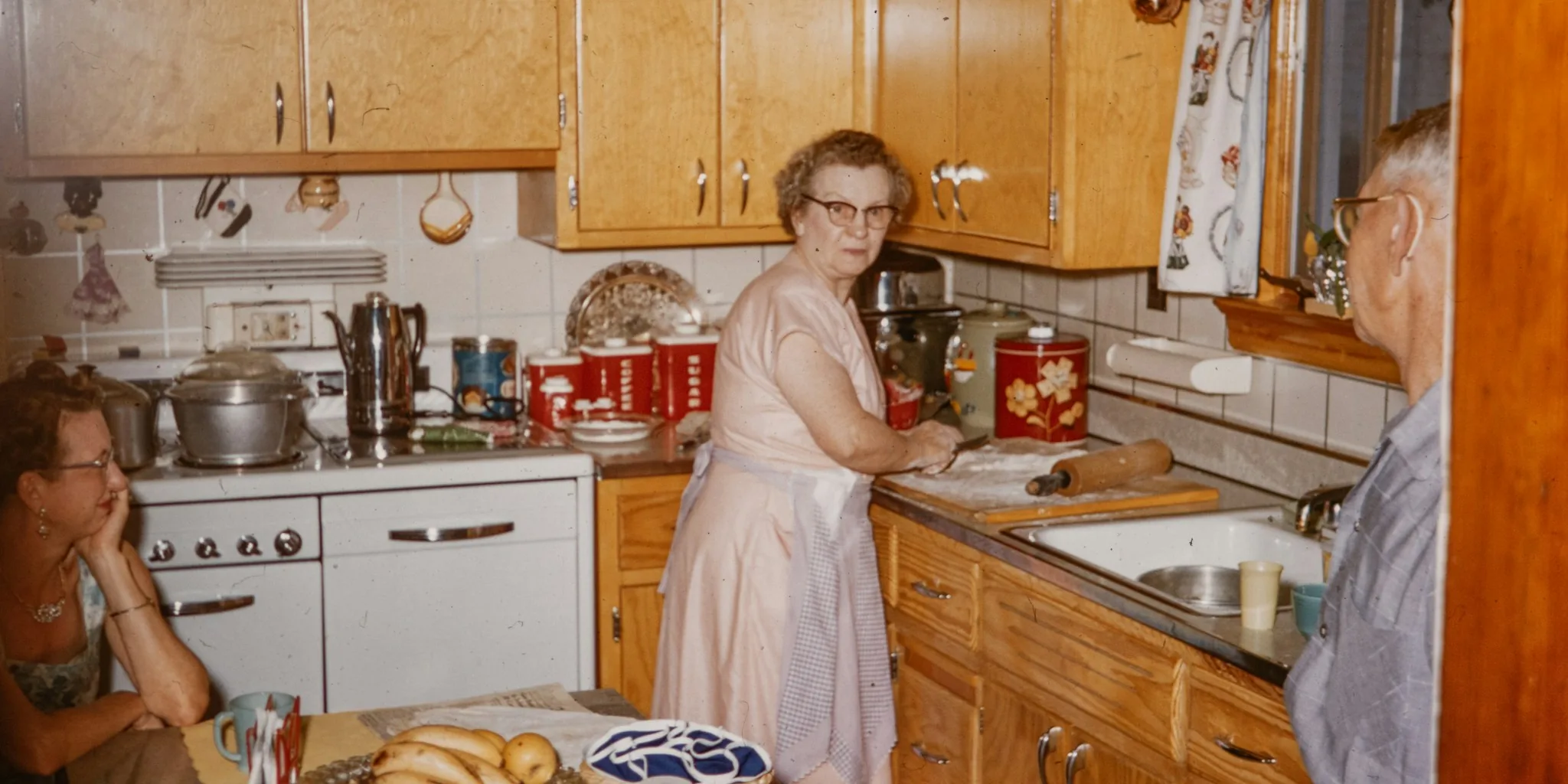

The design world is experiencing a major shift toward nostalgia and retro aesthetics, and this movement is reshaping how Americans think about their kitchens and dining spaces. Recent research into consumer preferences reveals that shoppers are increasingly drawn to bringing vintage elements into their homes, creating spaces that blend comfort with a sense of timelessness. For those planning kitchen upgrades or home improvements, understanding this trend is essential to making choices that feel both current and enduring.
The resurgence of retro kitchen design stems from a broader cultural phenomenon where consumers are deliberately stepping away from hyper-modern, minimalist aesthetics. Instead, they are seeking experiences and environments that evoke simpler, more intentional living. This includes recreating vintage kitchen elements like old-style landline phones, traditional storage solutions, and period-appropriate appliances and fixtures. The appeal goes beyond mere decoration, it reflects a deeper desire to slow down and reconnect with how people used to live and work in their homes.
According to recent consumer research, this nostalgic movement is driven by several core motivations. Comfort ranks at the top of the list, with shoppers prioritizing kitchen elements that feel welcoming and well-worn rather than sterile or industrial. Aesthetic uniqueness is another major factor, as people want their kitchen spaces to stand out and tell a personal story. Convenience also plays a role, as vintage kitchen solutions often prove practical and efficient in ways that contemporary designs sometimes overlook. Sustainability concerns further reinforce the trend, since choosing retro or secondhand kitchen items reduces waste and appeals to environmentally conscious consumers.
What This Means for Kitchen Shoppers
If you are considering a kitchen renovation or refresh, this trend offers several actionable insights. First, investing in vintage or vintage-inspired appliances and fixtures can create a cohesive, appealing aesthetic that will remain relevant as the nostalgic movement continues. Second, mixing retro elements with modern functionality gives you the best of both worlds. Think classic cabinet styles paired with updated electrical systems, or period-appropriate countertops combined with efficient modern plumbing.
Another way to embrace this trend is by exploring secondhand or vintage kitchen items. Thrift stores, online marketplaces, and estate sales offer authentic retro pieces at a fraction of new retail prices. This approach aligns with the sustainability motivation driving the trend and helps you build a genuinely unique kitchen personality. For those interested in larger entertaining trends, slab pie remains a popular choice for home entertainers, and a retro-styled kitchen provides the perfect backdrop for this nostalgic dessert presentation.
Blending Retro Style with Practical Updates
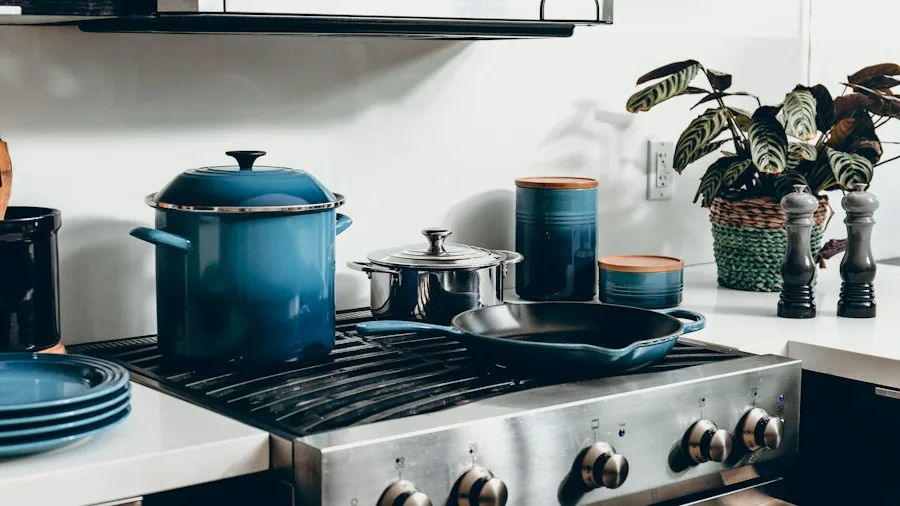
The most successful retro kitchens balance aesthetic appeal with contemporary functionality. Consider updating your storage solutions with vintage-style organization, such as glass canisters and metal containers that echo mid-century design. Open shelving with retro brackets can display both beautiful dishware and practical tools. Lighting fixtures are another opportunity to lean into nostalgia, with pendant lights and chandelier styles from past decades adding genuine character to your kitchen without compromising brightness or efficiency.
Retro kitchens also benefit from thoughtful color choices. Soft, muted tones like avocado, harvest gold, robin’s egg blue, and cream create an authentically nostalgic atmosphere while remaining neutral enough to pair with various countertop and flooring materials. If you prefer bold color statements, consider painting an accent wall or focusing retro tones on cabinetry while keeping walls neutral.
Flooring and countertops present excellent opportunities to reinforce the retro aesthetic. Checkerboard patterns, butcher block counters, and classic tile work all contribute to a kitchen that feels grounded in a specific era. For small kitchen items and gadgets, updated kitchen tools with refined designs can offer both vintage appeal and modern performance improvements.
Planning Your Nostalgic Kitchen Update
Before diving into a full kitchen transformation, assess which retro elements genuinely appeal to you and fit your daily cooking and entertaining habits. Prioritize updates that affect functionality first, such as appliances and major fixtures, then layer in aesthetic choices through smaller items and finishes. This staged approach spreads costs over time while allowing you to fine-tune your style as you go.
The nostalgic kitchen trend reflects a larger shift in how Americans want to live: with intention, comfort, and a connection to the past. Whether you undertake a complete renovation or simply add vintage-inspired touches to your current space, embracing this movement can transform your kitchen into a warm, welcoming hub that feels both personally meaningful and timelessly appealing.





