
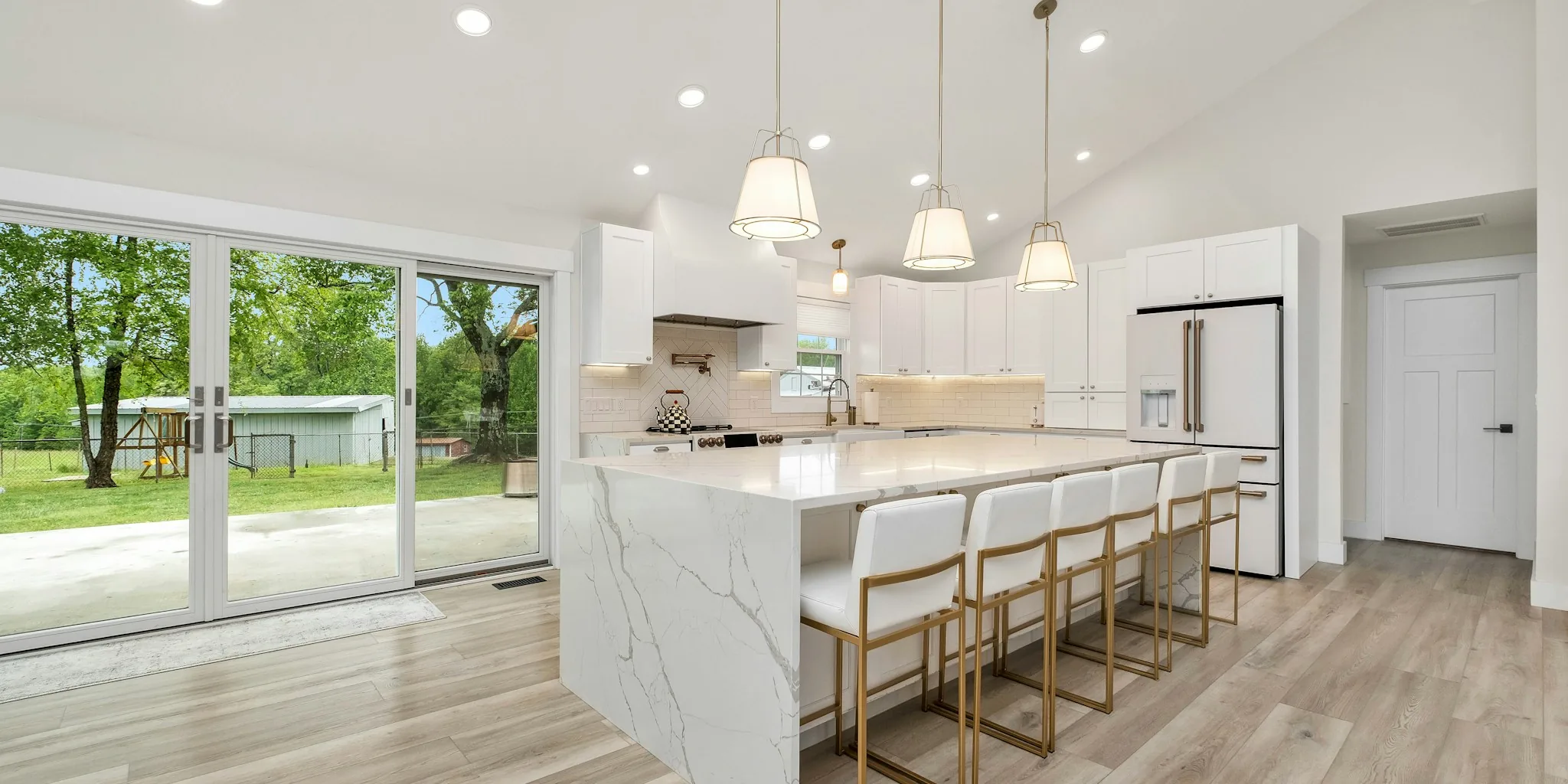

Kitchen islands have become a central fixture in modern homes, offering far more than just aesthetic appeal. They provide essential storage, additional workspace, and flexible seating options that can transform how families use their kitchens. If you’re considering adding an island to your space, understanding what to prioritize during the shopping process can make the difference between a purchase that works perfectly and one that creates frustration.
Key Factors to Consider When Shopping for a Kitchen Island
Before you start browsing options, interior design experts emphasize the importance of preparation. The most critical step is bringing your floor plan and exact measurements to the store or while shopping online. This simple act prevents costly mistakes and ensures the piece you select actually fits your space.
Storage should be your primary consideration. Since kitchen islands are freestanding, unlike built-in cabinetry, you need to think carefully about what items actually belong inside your island versus what should be stored elsewhere. Look for islands featuring a mix of drawers, shelves, and enclosed storage to accommodate different types of kitchen essentials.
Scale matters significantly. An island that’s too small will look lost in a spacious kitchen, while one that’s oversized will obstruct traffic flow and make the space feel cramped. The island should be proportioned to both your kitchen’s dimensions and the number of people who’ll gather around it. Many experts recommend sizing islands generously enough that four or more people can comfortably stand around them while cooking or eating.
Design cohesion is worth considering separately from the rest of your kitchen. Some homeowners prefer islands that match their cabinetry for a unified look, while others choose contrasting colors or materials to make the island a true statement piece. Whether you want natural wood tones or bold colors, the island’s finish should reflect your personal style and complement your overall kitchen aesthetic.
Price Range and Style Options
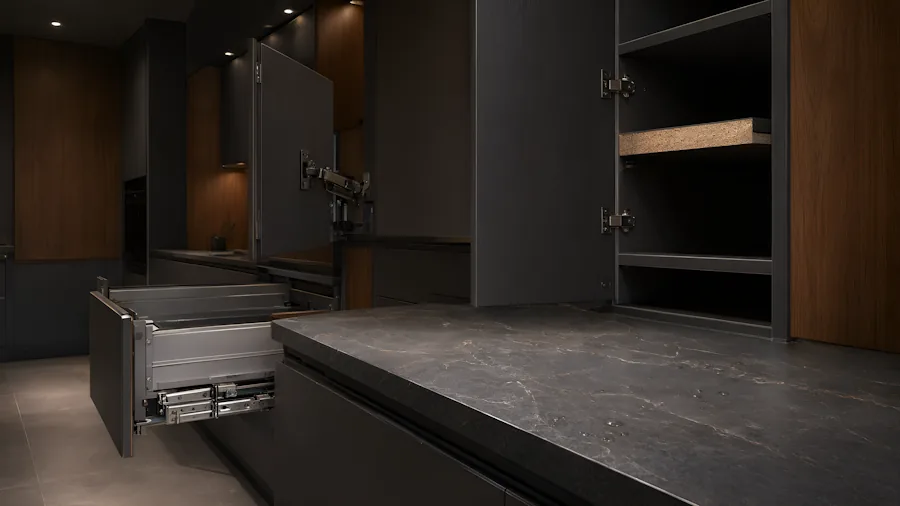
Kitchen islands are available at virtually every price point. Budget-friendly options start around $280 for compact islands with extendable dining surfaces, making them ideal for smaller kitchens where space is limited. These entry-level islands often feature multiple drawers and shelves despite their modest footprint.
Mid-range islands, typically priced between $400 and $700, offer more substantial storage capacity and wider countertops. Many in this category feature distinctive design elements like archways, two-tier work surfaces, or specialty finishes such as stainless steel tops paired with traditional cabinetry. If you’re exploring entertaining ideas, don’t miss our guide on slab pie for entertaining and crowd-pleasing dessert trends.
Premium islands, ranging from $1,000 to $2,000, provide exceptional quality and often feature high-end materials like quartz countertops, solid wood construction, and professional-grade finishes. These pieces are typically designed for kitchens with ample square footage and serve as genuine focal points in the space.
At the luxury end, custom-built islands exceed $5,000 and offer personalized design tailored to your specific needs. These islands feature premium materials including oak with brass accents or designer finishes that develop character over time.
Functionality and Weight Capacity
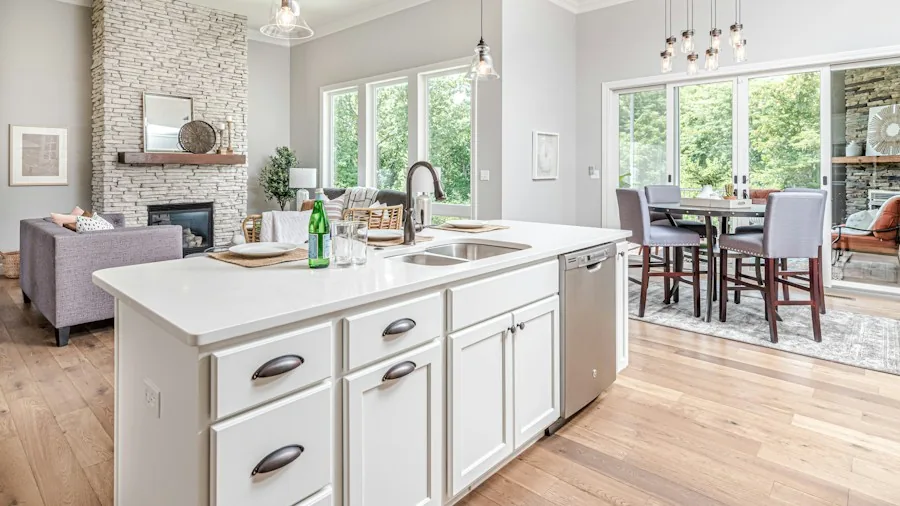
When evaluating specific models, check the weight capacity of both the countertop and the storage compartments. Quality islands can hold between 100 and 400 pounds on the work surface and 15 pounds or more per drawer or shelf. This matters if you plan to place heavy appliances, cookware, or frequently used ingredients on your island.
Consider whether the island includes additional features that enhance utility. Seating options like built-in bar stools or drop-leaf surfaces expand your island’s versatility for dining and entertaining. Some islands include specialized features like paper towel holders or dedicated space for small appliances. For those interested in nostalgic kitchen aesthetics, explore retro kitchen design trends reshaping modern spaces.
Making Your Final Decision
The best kitchen island for your home depends on your kitchen’s layout, your budget, and how you plan to use the space. Shop with your measurements in hand and visualize the island in your actual kitchen. Consider whether you need maximum storage, extra seating, additional cooking surface, or a combination of all three.
Whether you invest in an affordable starter island or a premium custom piece, the right choice will enhance both the functionality and beauty of your kitchen for years to come.





