
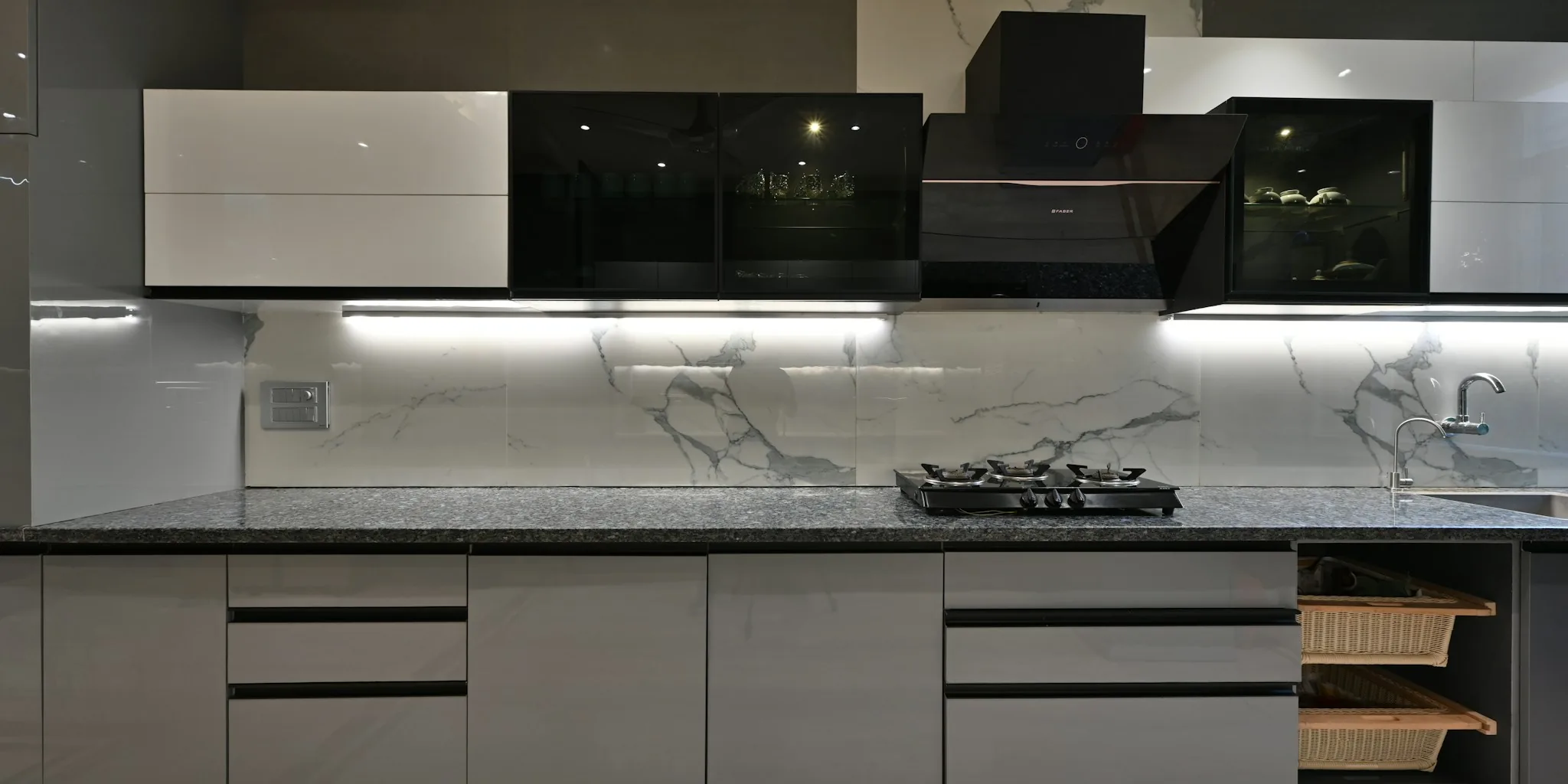

A glass cooktop adds a sleek, modern aesthetic to any kitchen, but keeping it pristine requires intentional care and smart habits. Unlike traditional stovetops, glass cooking surfaces are susceptible to scratches and scuffs that collect grease and food particles, making deep cleaning far more difficult. The good news is that preventing damage is entirely within your control by adopting a few straightforward practices.
Tip 1: Select Cookware with Smooth Bottoms
Your pot and pan selection directly impacts the longevity of your cooktop. When choosing cookware for glass surfaces, pay close attention to the bottom of each piece. Stainless steel, enameled, and ceramic-bottom pans work exceptionally well because they have smooth, pit-free undersides that won’t catch or scratch the glass. Cast iron is heavier and requires extra caution when handling to avoid deep gouges or cracks in the surface.
Tip 2: Keep Cookware Bottoms Meticulously Clean
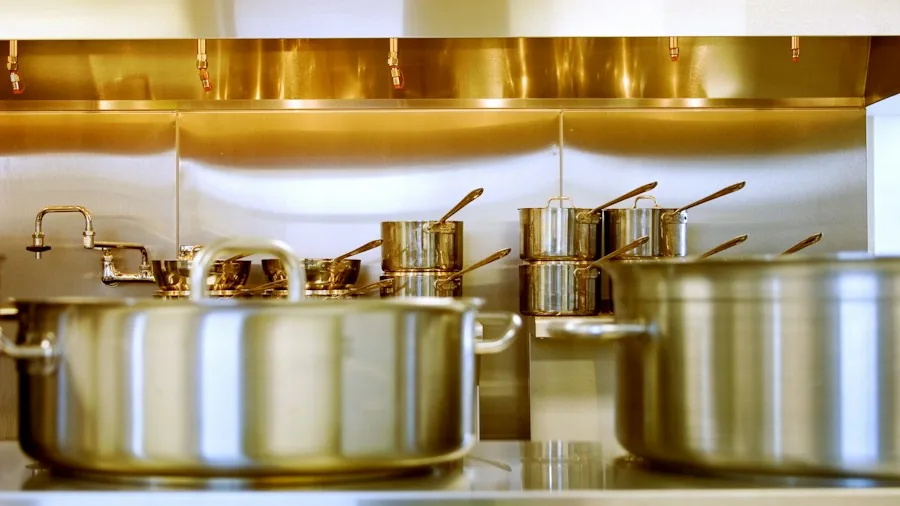
Food residue that bakes onto the base of pots and pans becomes an abrasive agent when placed on your cooktop. Before each cooking session, inspect and clean the bottoms of your cookware thoroughly. Dried food particles and grease act like sandpaper against glass, making scratches far more likely even with gentle handling.
Tip 3: Lift Rather Than Slide Cookware
One of the most damaging habits is sliding pots and pans across the surface. Whether moving cookware between burners or shaking ingredients inside a pan, always lift rather than drag. This applies especially to cast-iron pieces, which are heavy enough to leave deep gouges if slid carelessly. Gently lower heavy cookware onto the cooktop to prevent scuffs and potential cracking from impact.
Tip 4: Use Glass Cooktop-Specific Cleaners
Standard glass cleaners contain harsh chemicals that can weaken your cooktop surface and leave permanent streaks or cloudy residue. Instead, invest in a cleaner formulated specifically for glass and ceramic cooking surfaces. These pH-neutral products remove spills and burnt-on food effectively without damaging the glass or leaving residue behind. Many of these specialized cleaners offer triple benefits: cleaning, shining, and protecting in one application.
Tip 5: Avoid Abrasive Scrubbers and Steel Wool
Never use steel wool, heavy-duty scouring sponges, or rough scrubbers on your glass cooktop, as these cause permanent scratches even with light pressure. Soft cloths work adequately for daily cleaning, but scrubbing pads designed specifically for glass and ceramic cooktops offer superior performance. These specialty pads can be rinsed and reused multiple times before replacement, making them both effective and economical.
Tip 6: Clean Spills Before They Harden
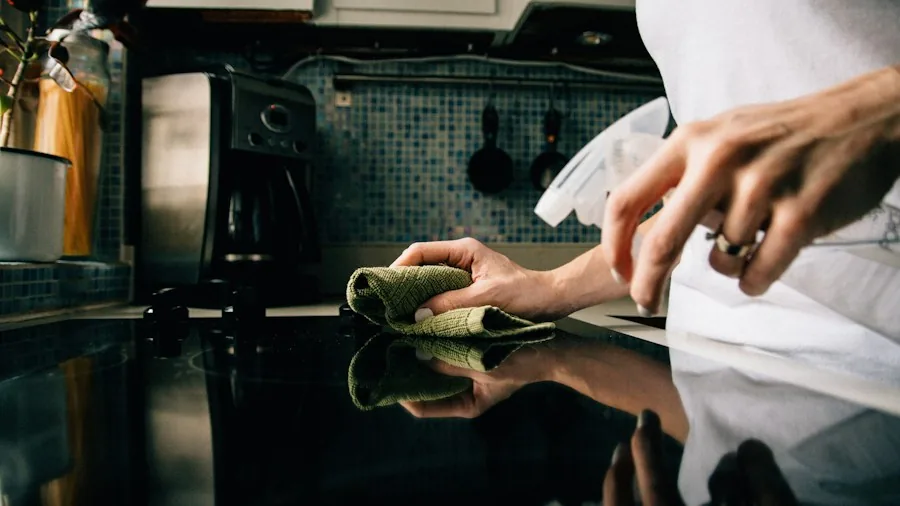
Prompt cleanup prevents stubborn, baked-on messes that require aggressive scrubbing. Wipe up boiled-over water, sauce splatters, and food debris as soon as possible. If a spill does harden, use a ceramic-glass cooktop scraper designed for this purpose. Work gently underneath the mess to lift it away rather than scrubbing repeatedly across the surface. These specialized stove covers and protectors can also help minimize spills during cooking sessions.
Tip 7: Wipe Down Before Cooking
Small particles like salt crystals, peppercorns, or breadcrumbs cause tiny scratches when ground against glass under the weight of cookware. Before placing pots and pans on your cooktop, take a moment to sweep away any loose seasoning or food particles with a soft cloth. This preventive step takes seconds but protects your cooktop surface significantly. Modern kitchen design trends increasingly prioritize cooktops as statement pieces, making their appearance more important than ever.
Maintaining a glass cooktop involves simple but consistent practices that protect your investment and preserve its appearance for years to come. By choosing appropriate cookware, handling it carefully, using proper cleaning products, and addressing spills quickly, you’ll enjoy a scratch-free cooking surface that looks as beautiful as the day you installed it. These habits become second nature quickly and require minimal extra effort compared to the satisfaction of a pristine cooktop.





