
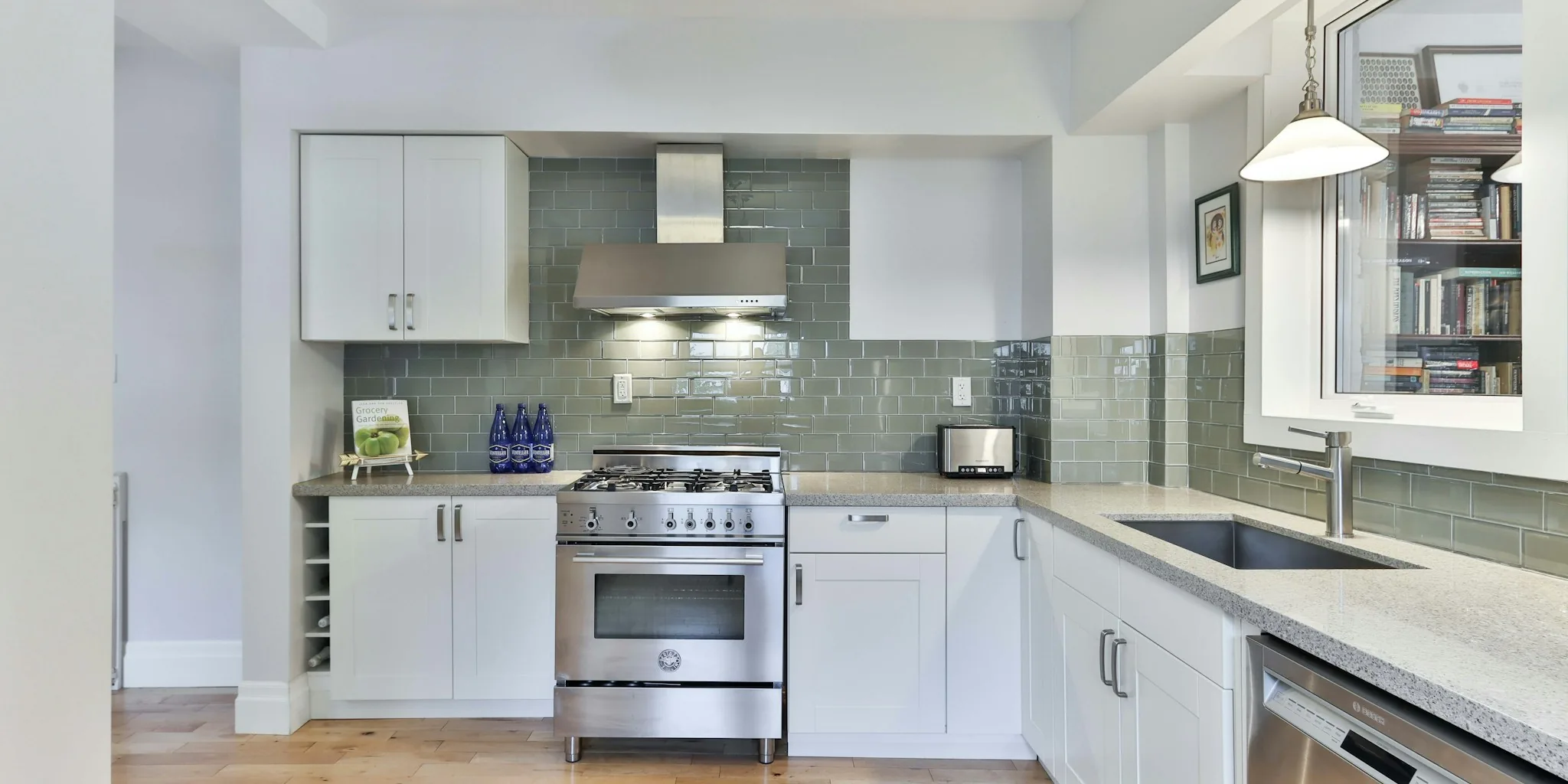

The kitchen is where your family gathers, where meals get made, and where life happens. It’s also the room that collects the most mess, from cooking splatters to fingerprints on appliances to dust settling on surfaces. To keep your kitchen looking fresh and protecting your investment in quality appliances and finishes, you need a strategic approach to cleaning. Different surfaces require different care, and knowing what works where will save you time and prevent damage.
1. Use the Right Cleaner for Your Stone Countertops
Natural stone countertops like granite, quartz, and marble demand a specialized cleaning approach. Avoid generic multipurpose cleaners that claim to work on all surfaces, as the chemicals they contain can dull, etch, or damage stone over time. Instead, invest in a cleaner formulated specifically for your stone type. Look for products that clean, polish, and protect all in one. When you clean, wipe in circular motions and follow with a microfiber cloth to avoid streaks. Don’t forget your backsplash, which typically matches your counters and gets just as dirty from cooking splatters and grease buildup.
2. Protect Your Stainless Steel Appliances from Fingerprints

Stainless steel refrigerators, dishwashers, and oven fronts show every fingerprint, water spot, and grease smudge. Rather than reaching for paper towels or steel wool (which can scratch the delicate surface), use a pH-neutral stainless steel cleaner that polishes and protects. After applying the cleaner, buff the surface with a soft microfiber cloth to bring out maximum shine and create a protective barrier against future smudges. Remember to treat smaller appliances like toasters and tea kettles with the same care you give your major appliances. Also clean your vent hood regularly, since it accumulates grease and dust despite being out of your normal line of sight.
3. Care for Your Glass Cooktop Carefully
Glass-top ranges are made from a combination of glass and ceramic, making them more vulnerable to scratches and clouding than regular glass. Never use ammonia-based cleaners, as they can permanently dull the surface or cause discoloration. Choose a cooktop-specific cleaner that cuts through baked-on food and grease without scratching. While you’re at it, use the same gentle cleaner on glass and ceramic light fixtures above your cooktop, checking them monthly to prevent dust and grease from building up.
3. Clean Your Oven on a Regular Schedule
Plan to deep-clean your oven at least twice yearly, or more frequently if you do a lot of baking and roasting. Use a heavy-duty oven cleaner with a thick foam formula that clings to interior walls and doesn’t require you to remove racks. Avoid cleaners containing bleach or ammonia unless the manufacturer specifically approves them, as these harsh chemicals can damage interior surfaces and the rubber gasket around the door.
5. Maintain Your Wood Cabinets and Doors
Kitchen cabinets collect grease as easily as countertops do, with extra grime accumulating around knobs and handles. Use a wood-safe cleaner that works on both finished and painted surfaces. This type of product cleans away dirt and water marks while protecting against drying and cracking. Pay special attention to the edges of cabinet doors, where grease buildup creates a sticky resistance when opening. Avoid abrasive scrubbing pads and steel wool, which leave scratches that attract even more grime. The same cabinet cleaner works beautifully on kitchen tables and wooden dining chairs, making a cohesive impact when guests enter your kitchen.
6. Choose Floor Cleaners Made for Your Surface Type

Your kitchen floor takes a beating from foot traffic, spills, and constant wear. Use cleaners specifically formulated for your floor type, whether that’s hardwood or stone. Plant-based floor cleaners are safe for kids and pets once dry and won’t leave streaks or slippery residue. Before mopping, always sweep or vacuum to remove loose debris like food particles and dust, which allows your cleaner to work more effectively. A clean, well-maintained kitchen floor sets the stage for entertaining, so this step is worth your attention.
7. Develop a Cleaning Routine You’ll Actually Follow
The key to keeping your kitchen perpetually clean isn’t one massive overhaul, it’s consistency. Wipe down surfaces daily after cooking and meals. Do a deeper clean of appliances and cabinets weekly. Schedule seasonal deep-cleaning tasks like oven and floor stripping on your calendar so they don’t sneak up on you. By breaking the work into manageable chunks and using surface-appropriate products, you’ll maintain a kitchen that looks and functions like new. Smart cleaning habits also complement any kitchen upgrades you make, preserving your investment for years to come.





