
A Budget-Conscious Kitchen Makeover Proves Paint and Hardware Can Deliver Major Style Impact
When Emma and Zack Shay moved into their 100-year-old Craftsman bungalow, they inherited a kitchen that felt disconnected from the home’s authentic character. The previous owners had updated the space with trendy blue-gray cabinetry, gray flooring, and gray walls that clashed with the original wood floors and vintage architectural details. Rather than accept this uninspired gray palette, the Shays decided to reclaim the kitchen’s potential by bringing back the warmth and charm their home deserved. Their solution cost just $600 and offers valuable lessons for any homeowner looking to refresh a dated kitchen without breaking the bank.
Flooring as the Foundation for Change
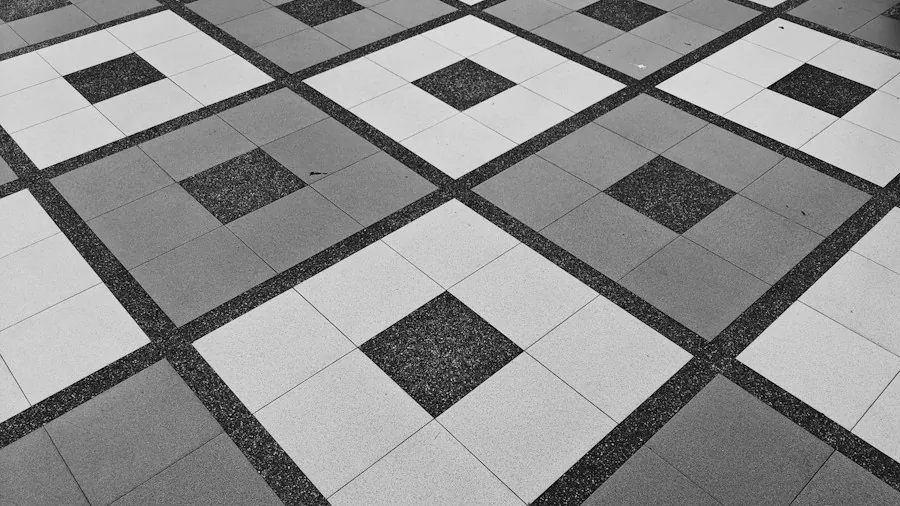
The Shays began their transformation by replacing the gray peel-and-stick flooring with a black-and-white vintage tile design that immediately shifted the kitchen’s mood. This single change established a nostalgic foundation that guided their remaining decisions. They also updated the trim and floorboards to wider options that better matched the historic character of their 1920s-era home. While the Shays aspire to eventually install authentic linoleum sheet flooring, the peel-and-stick alternative proved effective as both a stylish and temporary solution, demonstrating that strategic flooring choices can anchor an entire kitchen redesign.
Paint Color and Beadboard Restore Character
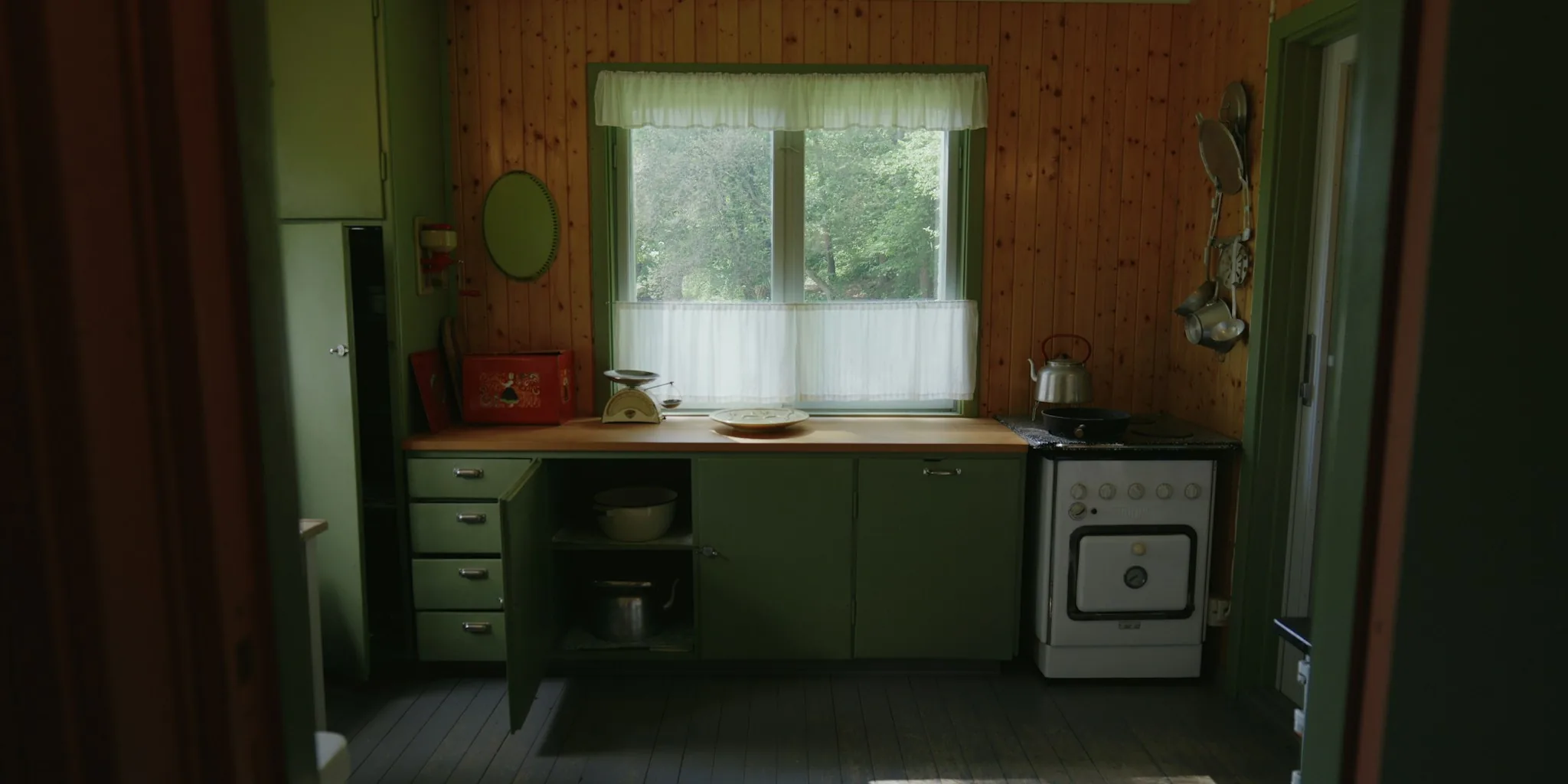
The most transformative phase involved painting. The Shays selected Benjamin Moore’s Simply White for the walls and new beadboard paneling they added to enhance the cottage aesthetic. For the cabinets, they chose a sage green shade that coordinates with Farrow & Ball’s Lichen, creating a sophisticated color story that honors the home’s Craftsman roots while reflecting Emma’s personal vintage and cottage style preferences. Before painting, they repaired existing plaster damage and installed fresh beadboard to cover imperfections, proving that thoughtful surface preparation makes all the difference. Painting existing cabinetry rather than replacing them saved thousands of dollars while delivering the dramatic visual change the space needed. Budget-friendly cabinet approaches like painting can create luxury effects when paired with bold material choices, making this strategy valuable for homeowners at any price point.
Hardware Details Complete the Vintage Vision
The finishing touches proved surprisingly straightforward. The Shays installed brushed nickel bin pulls and glass knobs designed to reflect what might have originally appeared in a 1924 kitchen. Emma discovered that using a hardware template from the store eliminated installation frustration, making this the easiest phase of their entire project. These carefully selected details matter because they complete the period-appropriate aesthetic while tying together all the other changes. Small upgrades like cabinet hardware represent high-impact, low-cost modifications that can elevate an entire kitchen’s appearance. Design trends like thoughtful cabinet styling are returning to modern kitchens as homeowners seek authentic character rather than following cookie-cutter trends.
What This Means for Kitchen Shoppers

The Shays’ experience carries several important takeaways for anyone considering a kitchen update. First, complete replacement is not always necessary. Painting existing cabinets, adding architectural details like beadboard, and upgrading hardware can transform a space for a fraction of new cabinet costs. Second, flooring choices set the tone for an entire room’s aesthetic direction and should be addressed early in the planning process. Third, color selection matters tremendously. Moving away from trendy gray toward warmer, more personal tones created a kitchen that feels both timeless and distinctly theirs.
The project did present challenges. Living with a kitchen in active renovation for two months tested the family’s patience, and two cabinet doors that don’t close properly represent a minor ongoing issue the Shays accept as part of their budget-conscious approach. They still plan to repaint the existing tile countertops to extend their lifespan and eventually install permanent flooring to fully restore the home’s original character. Maximizing existing kitchen space through smart design choices allows homeowners to achieve significant upgrades without full renovations.
The Value of Personal Style and Patience
The Shays’ primary motivation was creating a kitchen that felt authentic to both their home’s heritage and their personal aesthetic. Emma notes that spending significant time in the kitchen makes it worth the effort to reflect personal style preferences. Their willingness to blend Craftsman architectural principles with vintage and cottage touches resulted in a space that celebrates their home’s history while feeling genuinely lived-in and warm. The $600 total investment proves that meaningful kitchen transformation doesn’t require unlimited budgets. Strategic choices about where to invest money and where to compromise create functional, beautiful spaces that shoppers can actually live with and enjoy for years.