
Kitchen floor maintenance has long been a chore that homeowners dread. Whether you have hardwood, tile, marble, or laminate surfaces, keeping them spotless while protecting their finish has proven challenging for years. A new wave of steam cleaning technology is now shifting how consumers approach this household task, offering both practical benefits and important considerations for shoppers.
Why Traditional Methods Fall Short
For decades, homeowners have relied on the classic mop and bucket approach, but this method carries real risks. Traditional wet mopping can leave excess moisture on hardwood and engineered wood floors, leading to warping and buckling over time, particularly with lower quality materials. Spray mops with disposable pads addressed some concerns but introduced their own drawbacks: frequent battery replacements, ongoing purchases of disposable pads, and the environmental impact of single-use cleaning materials.
Many consumers found themselves stuck between methods that either damaged their floors or required constant restocking and maintenance. This gap in the market has driven manufacturers to develop alternative solutions that combine convenience with floor protection.
How Modern Steam Mops Work
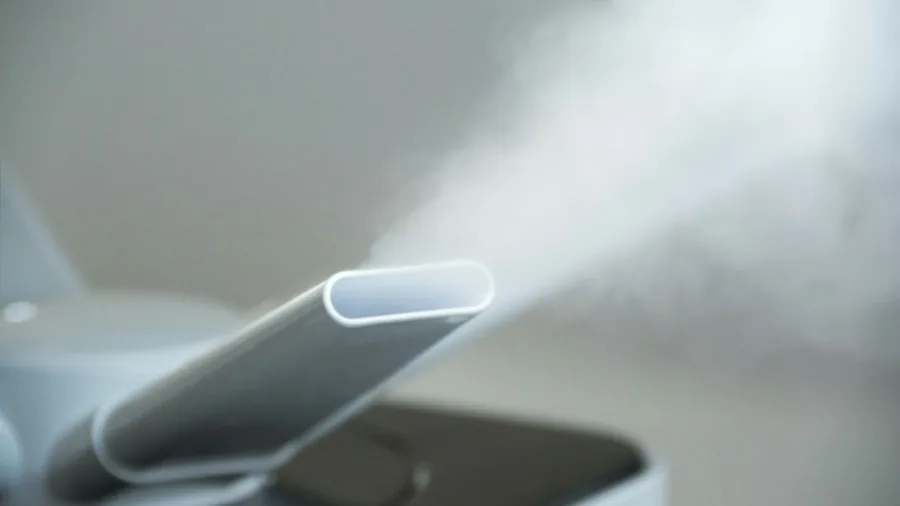
Contemporary steam cleaning devices take a fundamentally different approach to floor sanitation. Rather than relying on excess liquid, these units use heated steam to both pick up debris and sanitize surfaces in a single pass. The technology is straightforward: fill a reservoir with warm water, heat it to create steam, and the machine does the heavy lifting.
According to manufacturers, modern steam mops can eliminate up to 99.99% of common bacteria, including E. coli, Staphylococcus aureus, and Salmonella, without relying on chemical cleaners. This appeals to households with pets, children, or anyone concerned about chemical exposure in their living spaces. The steam method also avoids the saturation problem of bucket-and-mop cleaning, keeping hardwood floors at safe moisture levels.
Key Features That Matter to Homeowners
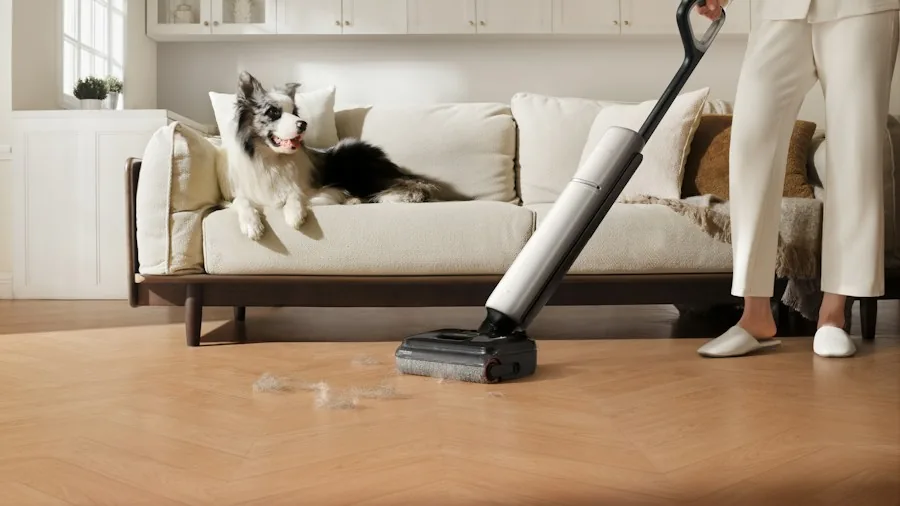
Today’s steam mop designs prioritize user experience. A typical modern unit heats up quickly, signals readiness with an audible cue, and operates on an extended power cord (often 25 feet or longer) to cover multiple rooms without unplugging. The back-and-forth motion combined with proper steam pressure effectively lifts pet hair, food crumbs, and dried spills from sealed floor surfaces.
Maintenance has also become simpler. Quality steam mops feature modular designs that come completely apart, allowing users to clean every component thoroughly. Removable reservoirs for both dry debris and dirty water can be emptied, rinsed, and air-dried between uses. Some models include removable roller brushes that capture pet hair and dirt, which can be cleaned independently.
For those looking to improve their overall kitchen cleanliness routine, 7 tips for a sparkling clean kitchen can complement regular steam mopping with daily maintenance habits.
What This Means for Different Floor Types
Steam mop technology works well on sealed hard surfaces: tile, hardwood, marble, and laminate. This coverage addresses the majority of kitchen flooring choices. However, the effectiveness depends partly on user technique. Slower, deliberate back-and-forth motions allow the machine to properly pick up debris and sanitize without rushing.
Tougher, set-in stains may require multiple passes, but this still demands significantly less effort than traditional scrubbing methods. The combination of steam heat and mechanical action handles most household spills and spots without aggressive scrubbing that could damage floor finishes.
Understanding what guests notice first in your kitchen reinforces the value of consistently clean floors as a centerpiece of kitchen presentation and hygiene.
Practical Considerations for Shoppers
Before investing in steam mop technology, assess your floor types and current pain points. These devices excel at routine maintenance and sanitization but aren’t ideal for unsealed wood or very delicate surfaces. The upfront cost typically ranges from $200 to $300, but users eliminate ongoing expenses for disposable pads and replacement cleaning solutions.
Storage requirements are minimal since the cord wraps neatly around the handle. Heating time is usually brief, making last-minute floor cleanups feasible. For households with pets, allergies, or young children, the sanitization capability adds genuine value beyond convenience.
The shift toward steam cleaning represents a meaningful evolution in kitchen maintenance technology, offering homeowners a faster, safer, and more environmentally conscious alternative to traditional methods. As these devices continue to improve and gain market presence, they’re reshaping expectations around what kitchen floor care should involve.
Whether you’re planning affordable fall kitchen entertaining or simply want cleaner floors daily, modern steam cleaning technology provides a practical upgrade worth considering.