
Slag glass lamps have become one of the hottest finds on the vintage and antique market, with prices climbing steadily as more homeowners discover their unique beauty and historical significance. These distinctive lighting fixtures, which enjoyed peak popularity during the 1930s, are now commanding impressive resale values and drawing serious collector interest. Understanding what makes these lamps special can help you identify genuine pieces, avoid costly mistakes, and make informed decisions whether you’re decorating your home or exploring the secondhand market.
What Makes Slag Glass Lamps So Distinctive
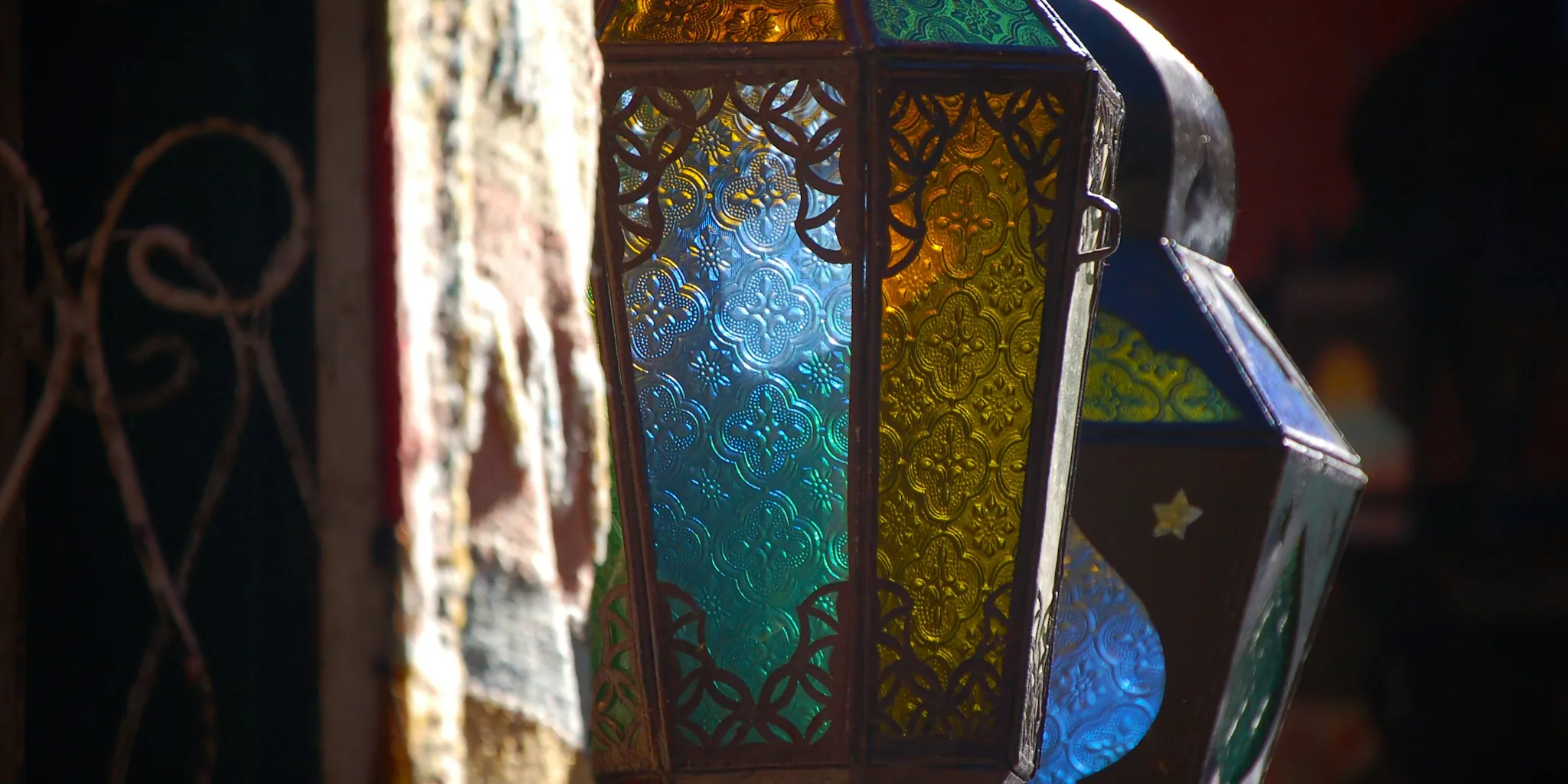
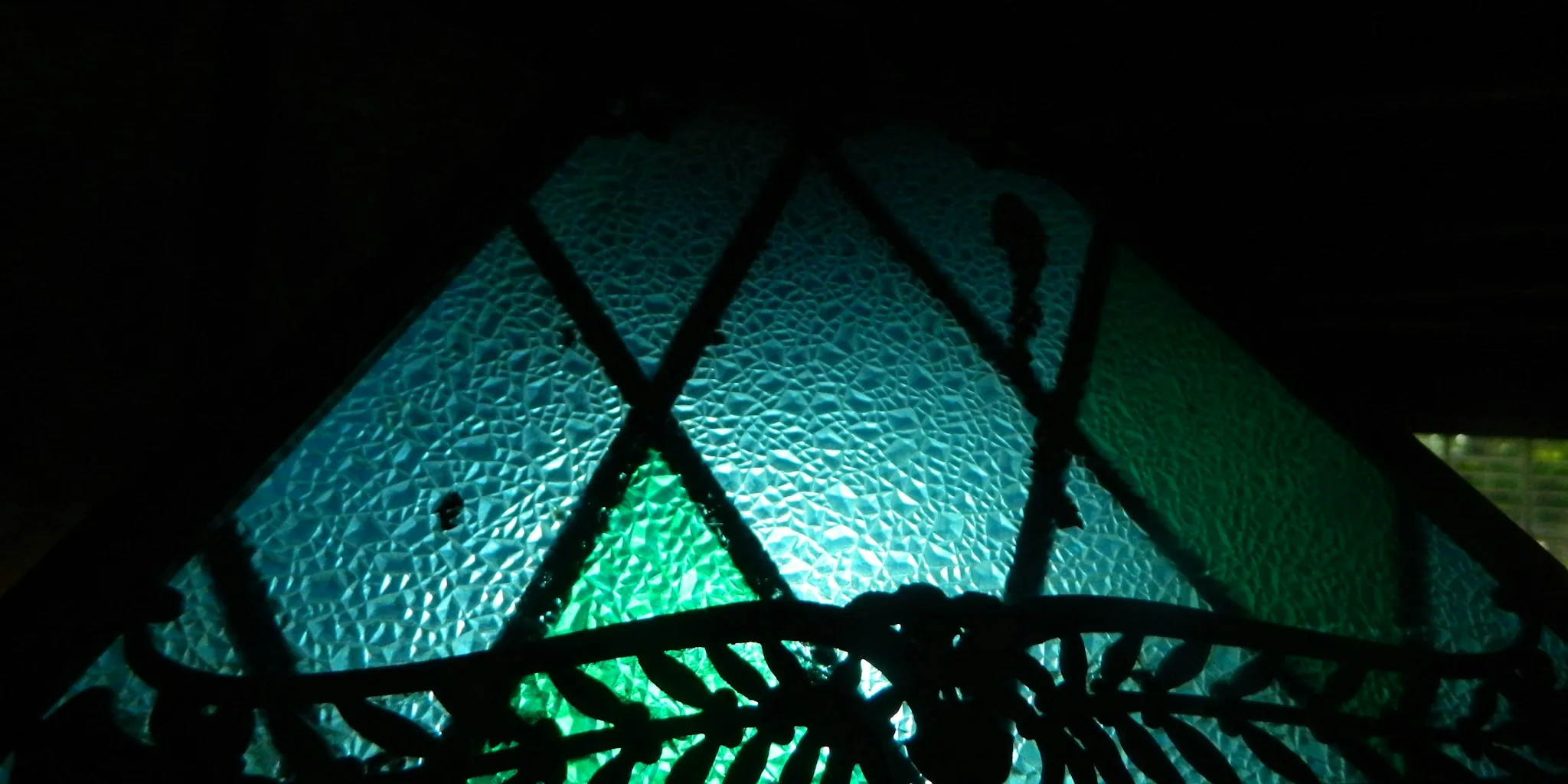
Slag glass lamps represent a fascinating intersection of industrial byproduct and fine craftsmanship. The glass itself originated as waste material generated during iron production, yet manufacturers transformed this leftover material into elegant lamp shades that became highly sought after. The glass develops a characteristic marbled appearance with natural color variations, and when light passes through the shade, it creates a warm, distinctive glow that modern mass-produced lamps struggle to replicate.
The rise of slag glass lighting began in the late 1800s and reached its creative peak during the 1930s. What distinguishes authentic slag glass from modern reproductions is the unmistakable evidence of handmade craftsmanship: slight thickness variations throughout the glass, visible bubbles created during the manufacturing process, and the absence of perfect uniformity. Combined with detailed ironwork bases and framework, genuine slag glass lamps deliver both elegance and an industrial aesthetic that appeals to contemporary design sensibilities.
Market Trends and Pricing Reality
Current market data tells a compelling story about slag glass lamp values. Online marketplaces list over 1,000 slag glass lamps for sale, with entry-level examples starting around $180 for a green table lamp and going up to $250 for Tiffany-style variations. Higher-end examples with intricate filigree work and desirable coloring regularly sell in the $500 to $750 range. One particularly notable sale involved a green-blue slag glass lamp featuring detailed filigree base work that achieved $600, demonstrating how color and craftsmanship directly influence price.
Prestige pieces from renowned manufacturers command even steeper premiums. A signed Miller Art Nouveau lamp recently sold for nearly $750, showcasing how authenticated maker information and distinctive artistic design can elevate value substantially. The producer of the lamp, its original color, the complexity of the metalwork, and the overall condition all factor into final pricing. This means that finding a quality example at a thrift store or estate sale could represent a genuine investment opportunity.
Finding and Evaluating Slag Glass Lamps
Several American manufacturers became known for producing exceptional slag glass lamps, particularly the Handel Company and the Empire Lamp Company. These producers built reputations for quality construction and artistic lampshade design, making their pieces particularly valuable to collectors today. When you’re evaluating potential purchases, checking for manufacturer marks or signatures can substantially increase both your confidence in authenticity and the lamp’s resale value. Understanding how multiple lamps can transform your room’s lighting strategy helps you appreciate how a single quality slag glass lamp can serve as a focal point that elevates an entire space’s aesthetic.
Safety Considerations for Vintage Lighting
While the aesthetic appeal of slag glass lamps is undeniable, practical safety must always come first. Many vintage lamps were wired decades ago using materials and methods that no longer meet modern electrical safety standards. Before displaying or using any antique lamp, have an electrician inspect the wiring and consider a complete rewiring to prevent fire hazards. Examine the lamp’s overall structural stability, checking whether the base sits securely and the glass shade is firmly attached. Picture lights offer a modern example of how lighting trends evolve while maintaining safety standards.
Inspect the electrical socket and switch carefully for any scorching, discoloration, or burn marks, which indicate previous electrical problems. Check for chips or cracks in the glass that could worsen or cause cutting hazards. A beautiful lamp means little if it poses a safety risk to your home.
Why Slag Glass Lamps Matter to Today’s Shoppers
The resurgence of interest in slag glass lamps reflects a broader shift toward sustainable, meaningful home decoration. Rather than constantly replacing disposable lighting fixtures, homeowners increasingly seek durable pieces with history and character. Lighting trends continue evolving, but vintage slag glass pieces maintain their appeal across design movements because of their fundamental beauty and craftsmanship quality.
Whether you’re drawn to these lamps for their investment potential, their design authenticity, or simply the satisfaction of rescuing a quality piece from obscurity, understanding the market landscape helps you make smarter purchasing decisions. The combination of genuine craftsmanship, reasonable price points for many examples, and proven value appreciation makes slag glass lamps an attractive option for both decorators and collectors navigating today’s lighting market.