
A shift in how homeowners approach ceiling and wall lighting is reshaping interior design conversations. Instead of relying on standard recessed fixtures that fade into the background, designers and style-conscious shoppers are embracing accent lighting that actually enhances a room’s character. Picture lights, slim brass fixtures originally designed to illuminate artwork, are now being used above built-in shelving and bookshelves to create layered, sophisticated lighting schemes that bring warmth and personality to everyday spaces.
Why Picture Lights Are Gaining Momentum
Traditional overhead lighting tends to make rooms feel functional rather than inviting. Picture lights work differently: they cast focused, directional light that highlights specific areas like shelving, textured wallpaper, or collections of objects. This approach creates visual depth and makes even modest bookcases feel like curated displays. The gentle, angled light adds an old-world elegance that mass-produced ceiling fixtures simply cannot replicate.
For shoppers evaluating their current lighting setups, picture lights offer a meaningful upgrade without requiring a complete room overhaul. Whether you’re working with inherited built-in shelving or investing in new joinery, a well-placed picture light changes how a room feels, especially during evening hours when warm, focused illumination becomes critical to creating an inviting atmosphere.
Installation Options for Every Budget and Rental Situation
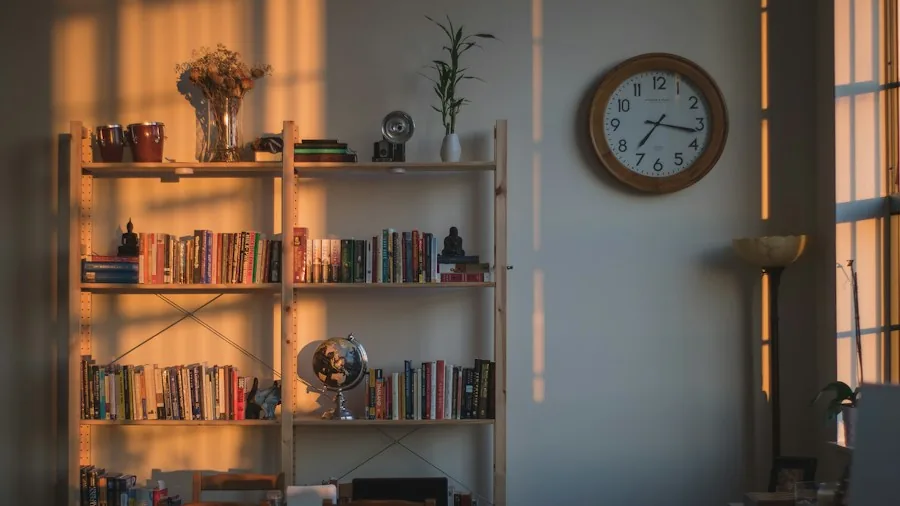
One challenge with traditional picture lights is that hardwired installation requires an electrician and permanent wall modifications. This makes them impractical for renters and homeowners hesitant about construction costs. Fortunately, portable alternatives have emerged that deliver similar visual impact without permanent commitment.
Cordless picture light bars represent an accessible middle ground. These battery-powered fixtures mount on shelving using adhesive strips or lightweight brackets, eliminating the need for wiring. They offer the refined look of hardwired options while remaining fully removable. For those seeking even more flexibility, rechargeable accent lights can sit directly on shelves among books and decorative objects, providing soft pools of light wherever you position them.
Solutions like peel and stick sconces also transform lighting without rewiring, making them ideal for anyone hesitant about permanent changes. The key is choosing fixtures scaled appropriately for your shelving width and positioning them to cast light downward across your displayed items.
Selecting the Right Bulbs and Color Temperature
Not all light is created equal, and bulb selection significantly impacts the final effect. Interior design experts consistently recommend warm LED bulbs rated around 2700K, which produce a golden tone that complements brass fixtures and wood grain beautifully. This warmth also pairs exceptionally well with botanical wallpapers and natural materials, creating a cohesive design narrative.
The difference between cool and warm lighting is immediately noticeable. Cool white bulbs (4000K and above) can feel clinical and sterile, undermining the cozy atmosphere that picture lights are meant to create. Warm bulbs, by contrast, bring out the richness of wood finishes and add an almost intimate quality to shelving displays. When selecting bulbs, verify the Kelvin rating on the package to ensure you’re getting that classic, flattering warmth.
Layering Light for Maximum Impact

Effective lighting design relies on layering multiple light sources at different heights and intensities. Picture lights handle one critical layer: they illuminate walls and shelving while adding architectural interest. At eye level, smaller table lamps or portable accent lights provide additional warmth and functionality for reading or working. This combination creates visual richness that single overhead fixtures cannot achieve.
When layering lighting in your home, consider how light moves across surfaces at different times of day. Morning natural light behaves differently than evening illumination, so your artificial lighting should enhance rather than fight these natural rhythms. Smart light switches now offer budget friendly voice control options that let you adjust multiple fixtures simultaneously, making it easier to achieve ideal layering without manual adjustments.
Practical Considerations for Your Space
Before investing in picture lights, evaluate your existing shelving and wall conditions. Built-in bookcases with solid backing provide ideal mounting surfaces. Floating shelves with visible wall space behind them also work well. Consider the width of your shelving: wider displays benefit from standard picture lights, while narrow shelves suit slimmer fixtures that won’t overwhelm the space.
Think about what you’ll illuminate. Collections of ceramics, framed photographs, and hardcover books all benefit from focused accent lighting. Objects with texture and color become far more visually interesting when properly lit. Conversely, cluttered or poorly organized shelving may look worse under focused light, so staging your display before installing fixtures makes practical sense.
Picture lights represent a meaningful shift in how homeowners think about interior lighting. Rather than settling for anonymous ceiling fixtures, shoppers are choosing accent lighting that highlights what makes their spaces personal. Whether you go with hardwired brass fixtures, cordless alternatives, or rechargeable portables, picture lights offer a tangible way to upgrade your home’s lighting design without major renovation projects.