

A great tool belt does more than hold your gear. It keeps everything within reach so you can focus on the work instead of hunting through a toolbox between every step. Whether you’re a professional carpenter framing walls all day or a weekend DIYer tackling a bathroom renovation, the right tool belt reduces fatigue, speeds up your workflow, and keeps job sites safer by securing tools that might otherwise be left on elevated surfaces. After independently researching and analyzing dozens of options across materials, load capacity, and fit, we assembled this guide to the best tool belts available right now. From budget-friendly leather aprons to full modular rigs with padded suspenders, there’s a configuration here for every trade and every skill level.
To build a complete workstation, pairing a solid tool belt with well-organized tool storage systems for your garage or workshop makes a meaningful difference in daily efficiency. You’ll also want reliable hand tools filling those pouches, so check out our picks for screwdriver sets and pliers sets worth owning before you load up.
Top Tool Belts We Recommend

Pros
- Heavy-duty 600D fabric with reinforced padding delivers genuine protection against punctures and scratches
- Thoughtful pocket layout with 10 tool slots and 3 pouches keeps frequently used items within reach
- Wide adjustable sizing accommodates different body types without uncomfortable gaps or pinching
- Reinforced stitching and buckle engineering ensure the belt stays secure during movement
- Waterproof material simplifies cleanup and extends the tool belt's working life in wet conditions
Cons
- No customer reviews available yet, so real-world durability feedback from actual users is limited
- The extra-large size may feel bulky for lighter tasks or users who prefer minimal gear
The Quorenta Ultra-Thick Tool Belt stands out for its construction quality and thoughtful design. The 600D waterproof Oxford fabric with reinforced padded lining creates a tool belt that can handle the demands of electricians, plumbers, and serious DIYers. The material resists punctures, abrasions, and scratches while remaining easy to clean, making it practical for both indoor and outdoor work environments.
Storage is where this tool belt shines. With 10 dedicated tool slots and 3 separate pouches, you get 15 pockets total for organizing drills, hammers, wrenches, screwdrivers, and other essentials. This layout keeps your most-used tools within arm's reach, reducing downtime and improving work efficiency. The design doesn't sacrifice comfort either—the belt adjusts from 31 to 52 inches, fitting most body types without restricting movement.
The craftsmanship reflects attention to detail. Reinforced stitching, a secure buckle design, and wear-resistant edging work together to keep the belt stable during active work. For professionals and homeowners tackling repair work, electrical projects, or renovation tasks, this tool belt delivers the durability and organization needed for consistent, reliable performance.
| Specification | Details |
|---|---|
| Brand | Quorenta |
| Material | 600D Waterproof Oxford Fabric |
| Lining | Reinforced Padded |
| Waist Size Range | 31 inches to 52 inches (Adjustable) |
| Total Pockets | 15 (10 tool slots + 3 tool pouches) |
| Size Variant | Extra Large |
| Color | Orange |
| Key Features | Waterproof, Puncture Resistant, Abrasion Resistant, Reinforced Stitching, Secure Buckle |
| Best For | Electricians, Plumbers, Installers, Decorators, Repairs, DIY Projects |
Sizing and Fit: Measure your waist and adjust the belt to a snug but comfortable position within the 31-52 inch range. The belt should sit at your natural waist without pinching or sliding. Make sure the buckle is fully secured before starting work.
Organizing Your Tools: Use the 10 tool slots for frequently accessed items like screwdrivers, wrenches, and drills. Reserve the 3 larger pouches for heavier tools or items you need less often. Keep your most-used tools in the front pockets for quick access and improved workflow efficiency.
Maintenance: Wipe down the waterproof Oxford fabric with a damp cloth after use to remove dirt and debris. For stubborn stains, use mild soap and water. Allow the belt to air dry completely before storing. Check the buckle and stitching regularly to ensure everything remains secure.
Proper Fit Prevents Strain: Ensure the belt is adjusted correctly to avoid lower back strain during long work days. A properly fitted belt distributes weight evenly and reduces fatigue. Avoid overloading the tool belt beyond its intended capacity.
Secure All Tools: Use the designated slots and pouches to keep tools organized and prevent them from falling or shifting during movement. This reduces the risk of tripping hazards and tool loss on the job site.
Regular Inspections: Check the belt's stitching, buckle, and material for wear before each use. Replace the belt immediately if you notice significant damage, tears, or a weakened buckle, as these issues compromise both safety and tool security.
Maximize Pocket Organization: Group similar tools together to streamline your workflow. Keep fasteners, bits, and small items in the pouches, and reserve slots for larger hand tools. This system reduces time spent searching for tools and improves job site efficiency.
Extend Belt Life: Clean your tool belt regularly to prevent dirt and moisture buildup, which can degrade the fabric over time. Store it in a dry location when not in use. Avoid dragging the belt across rough surfaces, as this can cause unnecessary wear on the material.
Adapt to Different Tasks: The 15-pocket design accommodates various trades. Electricians can organize wire strippers and testers, plumbers can carry wrenches and pipe tools, and general contractors can customize the layout based on their specific project needs. This versatility makes it a smart investment for multi-skilled DIYers.
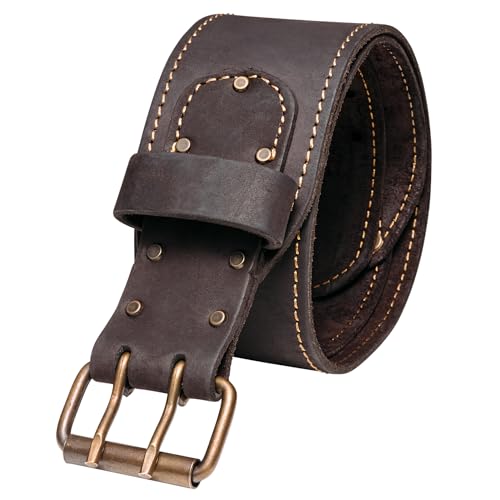
Pros
- Premium leather quality that ages beautifully and improves with use
- Robust buckle system provides secure, adjustable fit without slipping
- Handcrafted construction ensures consistent quality and attention to detail
- Weather-resistant design handles both indoor and outdoor work environments
- Wide compatibility with standard 3 inch tool pouch systems
Cons
- No customer reviews available yet, so real-world durability feedback is limited
- Premium leather requires occasional conditioning to maintain appearance and weather resistance
The FESA leather tool belt stands out as a handcrafted option for professionals who value quality construction. Made from oil-tanned heavy top grain leather, this belt is designed to become more comfortable and develop character as it ages. The 3 inch width accommodates standard tunnel loop and slotted tool pouches, giving electricians, carpenters, and construction workers flexibility in organizing their essential tools.
The double-prong metal buckle is the belt's anchor point, delivering a secure fit across waist sizes from 34 to 43 inches. The quick-release mechanism means you can adjust your fit or remove the belt without fumbling, which matters when you're focused on the task at hand. The leather itself is built thick enough to handle the weight of loaded pouches without sagging or stretching out prematurely.
Where this belt excels is durability and weather resistance. The sturdy construction performs reliably on both indoor and outdoor job sites, resisting moisture and temperature changes that would degrade lower-quality belts. For professionals who treat their tools as investments, a handcrafted leather belt that improves with age offers genuine long-term value.
| Specification | Details |
|---|---|
| Brand | FESA |
| Material | Oil-tanned heavy top grain leather |
| Belt Width | 3 inches |
| Waist Size Range | 34 inches to 43 inches |
| Buckle Type | Double-prong metal buckle with quick release |
| Compatibility | Standard 3 inch tunnel loop and slotted tool pouches |
| Construction | Handcrafted with meticulous stitching |
| Weather Resistance | Yes, suitable for indoor and outdoor use |
| ASIN | B0DCT6DLFH |
Getting Started: Adjust the belt to your waist size by loosening or tightening the double-prong buckle before first use. The belt should sit snugly at your waist without pinching or sliding during movement.
Attaching Tool Pouches: Slide your 3 inch tool pouches onto the belt using the tunnel loops or slotted attachment points. Distribute weight evenly across the front and sides to maintain comfort and balance during work.
Securing Your Fit: Use the quick-release buckle to fasten the belt firmly around your waist. Test the fit by moving, bending, and reaching to ensure the belt and pouches remain stable during active work.
Daily Care: Wipe down the leather with a dry cloth at the end of each work day. For outdoor use, occasionally apply leather conditioner to protect against moisture and maintain the belt's appearance.
Break-In Period: New leather tool belts benefit from a short break-in period. The leather will soften slightly and conform to your body, improving comfort over the first few weeks of use.
Weight Distribution: Organize your pouches strategically to balance weight around your waist. Keep frequently used tools in front pouches for easy access, and heavier items distributed evenly to reduce fatigue.
Leather Conditioning: Apply quality leather conditioner every 3 to 6 months, depending on your work environment. This keeps the leather supple, prevents cracking, and extends the belt's lifespan significantly.
Buckle Adjustment: Periodically check that the buckle prongs are tight and secure. A loose buckle can cause the belt to shift during work, so tighten as needed to maintain a snug fit.
Who Should Buy This Belt: This belt is ideal for electricians, carpenters, construction workers, drywall installers, and other trade professionals who need reliable tool organization. It's best suited for those who value handcrafted quality and are willing to invest in a belt that improves with age.
Key Considerations: Verify your waist size falls within the 34 to 43 inch range before purchasing. Confirm that your existing tool pouches use standard 3 inch attachment systems. If you work primarily indoors or in dry conditions, this belt will perform excellently; if you work in extremely wet environments, consider additional leather protection.
Comparing Options: When evaluating leather tool belts, compare belt width, buckle quality, leather grade, and construction method. The FESA belt's handcrafted approach and premium leather set it apart from mass-produced alternatives, though it may cost more upfront. Consider this an investment in durability and professional appearance rather than a budget option.

Pros
- Genuine leather construction offers superior durability and natural water resistance compared to synthetic materials
- Wide adjustability range accommodates different body types and layered work clothing
- Thoughtful design with dedicated hammer holder and multiple storage compartments
- Lightweight yet sturdy, reducing fatigue during all-day wear on job sites
- Attractive leather aesthetic works for both professional and casual DIY projects
Cons
- No customer reviews available to verify real-world performance and long-term durability claims
- Tools not included, requiring separate purchase of individual items to fully utilize the belt's capacity
The Compuda tool belt represents a solid choice for professionals and serious DIYers who prioritize durability and organization. Constructed from genuine imported leather, this belt leverages the material's natural properties to resist water and stains while maintaining a soft, comfortable feel against your body. The leather will develop a natural patina over time, making it an investment piece that improves with use rather than deteriorating.
Comfort and fit are critical for any tool belt worn throughout a full workday, and the Compuda addresses this with an adjustable waist range from 32 to 47 inches. This broad range accommodates different body types and allows you to wear it comfortably over light shirts or heavy winter layers. The design balances capacity with weight distribution, helping reduce fatigue during extended wear on construction sites, in workshops, or around the home.
The belt's high-capacity system and dedicated hammer holder make it practical for carpenters, electricians, and general construction work. Whether you're tackling roofing projects, electrical installations, or DIY home improvement tasks, the organized compartments keep your most-used tools within immediate reach. Keep in mind that this is the belt itself; you'll need to source and add your own tools to match your specific trade or project needs.
| Specification | Details |
|---|---|
| Brand | Compuda |
| Material | Genuine Imported Leather |
| Waist Size Range | 32 to 47 inches (Adjustable) |
| Style | Detachable & Adjustable Single Side Pouch |
| Primary Features | Hammer Holder, High-Capacity Storage, Water-Resistant |
| Best For | Carpentry, Electrical Work, Roofing, Construction, Gardening, DIY Projects |
| Tools Included | None (Belt Only) |
| Maintenance | Natural leather; benefits from occasional conditioning |
Sizing and Fit: Measure your waist where you naturally wear pants. The belt adjusts from 32 to 47 inches, so verify your size falls within this range. For comfortable all-day wear, ensure the belt sits snugly but allows one finger of space between the belt and your body.
Loading Your Tools: Start with heavier tools like hammers in the dedicated hammer holder to balance weight distribution. Place frequently accessed tools in the front compartments for quick retrieval. Avoid overloading any single pocket, which can stress the leather and seams. Distribute weight evenly across the belt to reduce fatigue during long work sessions.
Wearing the Belt: Position the belt at your natural waist or slightly lower, depending on your comfort preference and the type of work. Ensure the pouch sits on your dominant side for easy access. Take breaks periodically to remove the belt and stretch, especially during projects lasting more than four hours.
Leather Care: Genuine leather improves with age and proper care. Occasionally wipe the belt with a soft, dry cloth to remove dust and debris. If exposed to heavy moisture, allow it to air dry naturally away from direct heat. Consider applying a leather conditioner every few months to maintain softness and water resistance, especially if used in wet conditions.
Organization Strategy: Before loading tools, think about your workflow. Keep your most-used items in the most accessible pockets. Reserve the hammer holder for your primary hammer, and use smaller compartments for nails, screws, and fasteners. This approach minimizes reaching time and keeps you working efficiently.
Durability Maximization: Avoid dragging the belt on rough surfaces or leaving it exposed to extreme heat or direct sunlight for extended periods. When not in use, hang it on a hook rather than leaving it crumpled in a toolbox. The leather will naturally develop character marks and patina, which adds to its appeal and indicates genuine material aging gracefully.
Is This Belt Right for You? The Compuda tool belt suits professionals in trades like carpentry, electrical work, and roofing, as well as serious DIYers who tackle projects regularly. If you work occasionally or prefer a lighter tool solution, a smaller apron or bag might be more practical. However, if you value durability, organization, and a premium feel, genuine leather justifies the investment.
What to Consider Before Buying: Verify your waist size falls within the 32 to 47-inch range. Consider the types of tools you'll carry most frequently and whether the pouch layout matches your workflow. Think about your work environment: if you're frequently in wet conditions, genuine leather's natural water resistance is a significant advantage. Also plan to purchase your own tools to fill the belt, as none are included.
Long-Term Value: Genuine leather tool belts tend to outlast synthetic alternatives by years, making them a smart long-term investment despite higher upfront costs. Unlike plastic or nylon belts that crack and fail, leather becomes more supple and comfortable with use. If you're building a professional tool collection or equipping yourself for years of DIY projects, this belt will serve you well.

Pros
- Spacious pocket layout with mixed sizes accommodates everything from small fasteners to power tools
- Suede leather material offers genuine durability and professional appearance that improves with use
- Wide adjustable belt works for different body types and clothing layers
- Reinforced stitching and hardware quality suggest longevity for frequent users
- Versatile design works for carpenters, electricians, roofers, and gardeners
Cons
- Suede leather requires occasional conditioning to maintain appearance and water resistance
- No product reviews available yet, so real-world durability feedback from users is limited
The Graintex DS2388 tool belt brings genuine construction-grade durability to daily jobsite work. Built from hunter green suede leather, this belt combines professional aesthetics with practical organization through its 11-pocket system. The pocket layout includes two large main compartments, three medium front pockets, and six smaller slots, giving you dedicated space for everything from hammers and tape measures to fasteners and hand tools.
Construction quality stands out as a key strength. Double stitching at stress points, reinforced seams, and black-plated hardware indicate this belt is built to withstand regular heavy use. The two leather hammer loops fit standard hammers securely without slipping, while the adjustable 2-inch webbing belt with quick-release PVC buckle accommodates waist sizes from 28 to 50 inches, making it adaptable for different body types and layered clothing on cold jobsites.
The suede leather material offers authentic durability and develops a natural patina over time, which many professionals appreciate. However, suede does require occasional conditioning to maintain water resistance and appearance. The ergonomic design prioritizes accessibility and comfort during extended wear, making it suitable for carpenters, electricians, roofers, and even gardeners who need organized tool storage without the bulk of larger tool bags.
| Specification | Details |
|---|---|
| Brand | Graintex |
| Model | DS2388 |
| Material | Hunter Green Suede Leather |
| Total Pockets | 11 (2 large, 3 medium, 6 small) |
| Hammer Loops | 2 Leather Loops |
| Belt Width | 2 Inches |
| Waist Size Range | 28 to 50 Inches |
| Belt Buckle | Quick-Release PVC |
| Hardware | Black-Plated Steel |
| Stitching | Double-Stitched with Reinforced Stress Points |
| Ideal Uses | Construction, Carpentry, Roofing, Electrical Work, Drywall, Gardening |
Getting Started: Adjust the belt to your waist size before your first jobsite visit. Thread the belt through the webbing loops on the back of the apron, then fasten the PVC buckle securely. Make sure the belt sits comfortably on your hips without restricting movement.
Organizing Your Tools: Use the two large pockets for frequently-accessed items like your hammer, tape measure, or power drill. Place smaller tools and fasteners in the six small pockets to prevent them from shifting during movement. Store heavier items in lower pockets to maintain balance and reduce strain on your back.
Securing Hammers: Insert hammer heads into the two leather loops on the front, positioning them for quick access. Make sure handles are secure and won't slip out during climbing or bending. Check loop tension periodically to ensure hammers remain firmly in place throughout your workday.
Daily Maintenance: Empty all pockets at the end of each shift to prevent material buildup and excessive weight. Brush off dirt and dust with a soft cloth. For suede care, condition the leather monthly or as needed to maintain water resistance and appearance.
Proper Fit: Ensure the belt is adjusted snugly around your waist without restricting breathing or circulation. A loose belt can cause tools to shift unexpectedly, creating tripping hazards. Check fit regularly throughout the day, especially if wearing multiple layers.
Weight Distribution: Don't overload any single pocket. Distribute weight evenly across the belt to maintain balance and reduce back strain during extended use. Heavier tools should be positioned lower and closer to your body's center of gravity.
Hammer Loop Security: Verify that hammers are fully seated in leather loops before climbing, reaching overhead, or working on ladders. A falling tool from height can cause serious injury. Inspect leather loops monthly for wear or stretching that could compromise security.
Buckle Inspection: Check the quick-release PVC buckle before each use to ensure it's functioning properly and won't accidentally release during work. A failed buckle can cause the entire belt to slip, creating a dangerous loss of tool access and potential falls.
Electrical Work: If using this belt near electrical hazards, ensure all metal hardware and tools are properly grounded. Suede leather provides some insulation, but never rely on it as primary electrical protection.
Conditioning Schedule: Treat your suede leather belt with a quality leather conditioner every 4-6 weeks during heavy use seasons. This maintains water resistance, prevents cracking, and extends the life of your investment. A light conditioning keeps the belt supple and comfortable.
Strategic Tool Placement: Keep your most-used tools in the medium front pockets for fastest access without removing the belt. Reserve large pockets for less-frequently-needed items. This workflow optimization saves time on repetitive tasks and reduces fatigue from reaching.
Hammer Loop Customization: If you frequently use specialty hammers or mallets, consider adding aftermarket carabiners or clips to the existing loops. This expands the belt's versatility without compromising the original leather loops.
Layering Strategy: Wear the belt over a work apron for maximum organization. The suede leather exterior protects against dirt and wear, while the underside remains clean. This combination gives you the durability benefits of leather with the lightweight organization of an apron.
Storage Between Seasons: Keep your tool belt in a cool, dry location away from direct sunlight. Store it flat or loosely rolled to prevent permanent creases. A breathable storage bag protects against dust while allowing the leather to breathe.

Pros
- Excellent weight distribution through padded suspenders and carabiners reduces fatigue during long work days
- Extensive pocket organization keeps tools accessible and prevents loss or damage
- Heavy-duty construction with reinforced stitching and rivets stands up to demanding job site conditions
- Built-in phone pocket on suspenders adds practical modern functionality
- Structured pockets maintain shape and allow quick one-handed tool access
Cons
- No customer reviews available yet, so real-world durability and fit feedback is limited
- Wide belt and suspenders may feel bulky for lighter tasks or homeowners who don't need maximum tool capacity
The DEWALT Professional Tool Belt Organizer is built for contractors and serious DIYers who demand reliable storage and comfort during full days of work. With 25 pockets strategically designed for different tool sizes, this belt keeps your most-used items within arm's reach while maintaining organization on the job site. The 1680 denier fabric combined with reinforced rivets, double stitching, and dirt-repellant tarpaulin construction means this organizer will handle the wear and tear of professional use without falling apart.
Comfort and weight management are thoughtfully addressed through the padded 5.5-inch belt, ergonomic suspenders with metal carabiners, and a double-tongue roller buckle that keeps everything secure throughout the day. The suspenders feature a dedicated cell phone pocket, which adds modern convenience without compromising durability. The yellow internal fabric lining is a practical touch that helps you quickly spot tools and accessories inside darker pockets, saving time and frustration on busy job days.
Portability is enhanced by two sturdy handles that make the belt easy to carry between projects or store in your vehicle. The wide-open structured pockets are designed to accommodate various tool sizes without requiring you to dig around, supporting efficient workflow. Whether you're framing, finishing carpentry, electrical work, or general contracting, this belt's combination of storage capacity, durability, and ergonomic design makes it a reliable investment for professionals who spend significant time on their feet.
| Specification | Details |
|---|---|
| Model | DWST540602 |
| Brand | DEWALT |
| Number of Pockets | 25 |
| Fabric Material | 1680 Denier with Dirt-Repellant Tarpaulin |
| Belt Width | 5.5 inches |
| Belt Closure | Double-Tongue Roller Buckle |
| Suspenders | Padded with Metal Carabiners |
| Additional Features | Cell Phone Pocket, Yellow Internal Fabric, Reinforced Rivets, Double Stitching, 2 Carry Handles |
| Construction | Heavy-Duty |
Putting It On: Wrap the main belt around your waist at a comfortable height, typically at hip level. Secure the double-tongue roller buckle firmly but not so tight that it restricts movement or circulation. Slip your arms through the padded suspenders and adjust them so the weight distributes evenly across your shoulders. The suspenders should feel snug but not restrictive.
Loading and Organization: Arrange your most frequently used tools in the front pockets for quick access. Use larger pockets for power tools or materials, and smaller pockets for fasteners, bits, and small hand tools. Take advantage of the yellow internal lining to quickly identify items. Store heavier tools closer to the center of your body for better balance.
During Work: Use the metal carabiners on the suspenders to attach tools you use constantly, like tape measures or utility knives. This keeps them secure and prevents loss. The cell phone pocket is ideal for keeping your phone accessible without fumbling through tool pockets. Periodically redistribute weight if you notice uneven shoulder pressure.
Care and Storage: Wipe down the exterior with a damp cloth to remove dirt and dust. The dirt-repellant tarpaulin makes cleaning easy. Store the belt in a dry location away from extreme heat. Use the two sturdy handles to transport the belt between job sites without straining.
Proper Fit and Adjustment: Ensure the belt is snug enough that it won't slip during movement, but not so tight that it restricts your breathing or circulation. Adjust suspenders so weight is balanced across both shoulders. An improperly fitted belt can lead to back strain or dropped tools.
Weight Management: Avoid overloading the belt beyond its intended capacity. Distribute weight evenly between the front and back pockets. Excessive weight can cause back pain, fatigue, and loss of balance, especially when working at heights or on ladders.
Tool Security: Regularly check that tools are securely placed in pockets and carabiners are properly fastened. Loose or falling tools can cause injury to yourself or others below. Remove tools you're not actively using to reduce weight and prevent tripping hazards.
Ladder and Height Safety: When climbing ladders or working at heights, ensure the belt doesn't interfere with your grip or balance. Remove the belt if it impedes safe ladder climbing, or secure it to prevent swinging. Never lean or stretch excessively while wearing a loaded belt.
Inspection: Regularly inspect stitching, rivets, and carabiners for signs of wear or damage. Replace or repair damaged components before they fail during use. Check suspender padding for deterioration that could affect comfort and weight distribution.
Who Should Buy This Belt? The DEWALT Professional Tool Belt Organizer is ideal for contractors, carpenters, electricians, plumbers, and serious DIYers who spend full days working and need reliable tool organization. If you work on multiple projects weekly or manage a crew, this belt's 25-pocket capacity and durable construction justify the investment. It's also suitable for homeowners tackling extensive renovation projects who want professional-grade organization and comfort.
Consider Your Work Type: If you primarily do light repairs or occasional projects, a smaller organizer might suffice. However, if you're constantly reaching for different tools and need everything within arm's reach, this belt's extensive pocket system will significantly improve efficiency. The suspenders are particularly valuable if you work standing or moving for extended periods, as they distribute weight and reduce back strain.
Size and Fit Considerations: The 5.5-inch padded belt provides comfort for most body types, but ensure the sizing accommodates your waist measurement. The double-tongue roller buckle allows adjustment for different clothing layers (summer shirts versus winter jackets). Suspenders should fit comfortably across your shoulders without pinching or sliding.
Durability and Value: The 1680 denier fabric and reinforced construction mean this belt will outlast cheaper alternatives, making it a smart long-term investment. The dirt-repellant tarpaulin reduces maintenance needs. If you work in harsh conditions (construction sites, outdoor projects, wet environments), the heavy-duty materials justify the cost through extended lifespan.
Comparison Points: When evaluating tool belts, compare pocket count, material durability, comfort features (belt padding and suspenders), and weight distribution design. The DEWALT's 25 pockets, ergonomic suspenders with carabiners, and reinforced construction place it in the professional-grade category, distinguishing it from basic models with fewer pockets and no suspender support.

Pros
- ClipTech attachment system is genuinely faster and easier than traditional belt loops, saving time when switching between tasks
- Padded belt with heavy-duty buckle provides all-day comfort even when loaded with multiple tools and materials
- Durable materials and reinforced stitching hold up well to rough jobsite conditions and regular heavy use
- Modular design means you can expand your setup with additional ToughBuilt pouches and holsters as your needs grow
- Two included pouches offer plenty of storage for most handyman and DIY projects without feeling overstuffed
Cons
- The ClipTech hub attachment points may feel loose or rattle slightly if pouches are not fully secured, requiring a firm click to lock properly
- No reviews currently available, so real-world durability feedback from long-term users is limited at this time
The ToughBuilt ClipTech Series represents a thoughtful approach to tool belt design. The standout feature is the ClipTech system itself, which replaces traditional belt loops with quick-clip hubs. This modular approach lets you attach and detach pouches in seconds, making it easy to customize your setup for different projects or swap gear between crew members without removing your belt.
Construction quality is solid across the board. The padded belt uses a mix of polyester, EVA foam, steel, and ABS plastic that balances durability with comfort. The two included pouches feature reinforced pockets and tool loops, and the heavy-duty buckle holds firm under load. The 1680D polyester material resists cuts and abrasion, which matters when you're working around rough surfaces or sharp edges on a jobsite.
For DIYers and handymen tackling a variety of tasks, this set covers the essentials. The adjustable fit (32 to 48 inches) accommodates most body types, and the padded construction genuinely reduces fatigue during longer work sessions. The limited lifetime warranty provides peace of mind, though the modular design also means you can expand your gear collection over time as your projects become more complex.
| Specification | Details |
|---|---|
| Brand | ToughBuilt |
| Model | TB-CT-111-CP |
| Series | ClipTech Series |
| Type | 3-Piece Handyman Tool Belt Set |
| Belt Waist Fit | 32 to 48 inches (adjustable) |
| Included Components | 1 padded adjustable work belt, 2 reinforced pouches, 2 ClipTech hubs |
| Material Composition | Polyester 56%, EVA 30%, Steel 5%, ABS Plastic 3%, TPR Logo 1% |
| Fabric Durability | 1680D reinforced polyester construction |
| Belt Feature | Heavy-duty padded belt with sturdy buckle |
| Attachment System | ClipTech quick-clip modular hubs |
| Pouch Features | Multiple pockets and tool loops for organization |
| Warranty | Limited lifetime warranty against defects in materials and workmanship |
Getting Started: Adjust the belt to fit your waist snugly (32 to 48 inches). The padded belt should sit at your hips, not your waist, to distribute weight evenly and reduce strain on your lower back.
Attaching Pouches: Line up the pouch's ClipTech connector with the hub on your belt. Push firmly until you hear or feel a click. The connection should be secure and not wobble. To remove, press the release tab on the hub and pull the pouch away.
Organizing Your Tools: Use the multiple pockets and loops on each pouch to sort tools by type or frequency of use. Keep frequently used items in easily accessible pockets, and reserve loops for hammer heads, tape measures, or other hanging tools. Don't overload a single pouch, as weight should be distributed across both pouches.
Customizing Your Setup: One of the ClipTech system's main advantages is flexibility. If a project requires different tools, simply unclip one pouch and clip on another ToughBuilt ClipTech-compatible pouch. This modular approach keeps you from carrying unnecessary weight.
Distribute Weight Evenly: Place heavier tools in the pouch closest to your body's center. This reduces strain on your lower back and makes movement easier, especially on longer jobsites.
Keep Frequently Used Items Front and Center: Use the front pockets for tools you reach for constantly, like a hammer, tape measure, or utility knife. Reserve back pockets for items you need less often.
Secure Small Fasteners Properly: Use the pouch's dedicated pockets for nails, screws, and bolts. Loose fasteners can spill out if your belt shifts, so take time to organize them in compartments.
Expand Gradually: You don't need to buy every ToughBuilt accessory at once. Start with this core set and add ClipTech-compatible pouches, holsters, or tool carriers as your projects grow in scope.
Regular Maintenance: Wipe down pouches with a damp cloth after dusty or muddy jobsites. Check belt padding and stitching periodically, especially if you're loading it heavily. A well-maintained belt lasts years longer.
Who Should Buy This: DIYers, handymen, and homeowners tackling renovation projects, repairs, or general maintenance around the house will appreciate the organized storage and quick-access design. If you're tired of running back and forth to your toolbox or carrying a heavy, disorganized collection of tools, this set simplifies your workflow.
Key Considerations: Make sure your waist size falls within the 32 to 48 inch range. The padded design is comfortable, but the belt works best when worn at hip level, not at your waist. If you plan to carry very heavy loads (20+ pounds of tools), consider distributing that weight across multiple ToughBuilt pouches rather than maxing out the two included ones.
Value and Warranty: This is a mid-range tool belt that offers good durability for the price. The limited lifetime warranty covers defects in materials and workmanship, but normal wear and misuse are not covered. If you treat it with reasonable care, you should get several years of reliable use.
Expansion Potential: One of the biggest advantages is the ClipTech system's modularity. You're not locked into these two pouches forever. As your projects become more specialized, you can add ToughBuilt's other ClipTech-compatible pouches, holsters, and accessories to customize your belt for specific tasks.

Pros
- Excellent weight distribution and comfort for extended use thanks to the wide padded belt
- Modular pocket system adapts to different jobs and tool preferences
- Heavy-duty ballistic poly fabric holds up to regular wear and outdoor conditions
- Well-designed handle makes transporting tools and supplies hassle-free
- Removable components allow for easy cleaning and replacement of worn parts
Cons
- No reviews currently available to assess real-world durability and long-term performance feedback
- The 18-pocket capacity may feel bulky or heavy when fully loaded with tools for extended periods
The CLC 5605 Professional Carpenters Combo Tool Belt is built for homeowners and DIYers who spend serious time on job sites and need reliable tool organization. The belt features 18 pockets, sleeves, and specialized holders designed to accommodate everything from nails and fasteners to larger hand tools. The ballistic poly fabric construction is tough enough to handle the daily wear and tear of home improvement projects, whether you're framing, hanging drywall, or tackling exterior work.
Comfort is a key consideration when wearing a tool belt for hours at a time, and the CLC 5605 addresses this with a 5-inch padded comfort belt and double-tongue steel roller buckle. The wide padding distributes weight evenly across your hips and lower back, reducing strain during extended use. The easy-carry handle design is a practical touch that lets you transport the belt and its contents without spilling tools, making it convenient for moving between rooms or job sites.
What sets this belt apart is its modular approach. All pockets, sleeves, and holders are removable and interchangeable, so you can customize the configuration based on your current project needs. This flexibility extends the belt's lifespan since you can replace individual components rather than buying a new belt when one pocket wears out. For DIYers who want a professional-grade tool belt that adapts to different tasks, the CLC 5605 delivers solid value and functionality.
| Specification | Details |
|---|---|
| Brand | Custom Leathercraft (CLC) |
| Model | 5605 |
| Type | Professional Carpenters Combo Tool Belt |
| Color | Black |
| Pocket Count | 18 pockets, sleeves, and holders |
| Material | Ballistic poly fabric |
| Comfort Belt Width | 5 inches padded |
| Buckle Type | Double-tongue steel roller buckle |
| Key Features | Removable and interchangeable components, easy-carry handle, durable construction |
| Best For | Professional carpenters, home improvement enthusiasts, DIY projects |
Getting Started: Adjust the padded comfort belt to fit snugly around your waist using the steel roller buckle. The belt should sit securely on your hips without shifting during movement. Make sure the buckle is fully engaged for safety.
Organizing Your Tools: Distribute weight evenly across the belt by placing heavier tools on the sides and lighter items in front pockets. Use the specialized sleeves for nails, screws, and fasteners to keep them organized and easy to grab. Place frequently used tools in the most accessible pockets for efficiency.
Carrying and Transport: Use the built-in easy-carry handle to transport the belt between projects. This prevents tools from shifting or spilling out. When not in use, hang the belt in a cool, dry location to preserve the ballistic poly material.
Maintenance: Periodically wipe down the fabric with a damp cloth to remove dust and debris. Check removable components for wear and replace as needed. The modular design makes it easy to swap out individual pockets or sleeves without replacing the entire belt.
Proper Fit: Ensure the belt is adjusted correctly so it doesn't slip during movement. A loose belt can shift unexpectedly, throwing off your balance on ladders or uneven surfaces. Tighten the buckle securely before starting work.
Weight Management: Don't overload the belt beyond a comfortable carrying capacity. Excessive weight can strain your back and legs, especially during prolonged use. Consider distributing the heaviest tools across multiple pockets rather than concentrating them in one area.
Tool Security: Make sure all pockets and holders are properly fastened so tools don't fall out while climbing, bending, or moving around the job site. Falling tools pose a hazard to others below and can damage the tools themselves.
Regular Inspection: Check the belt, pockets, and buckle regularly for signs of wear or damage. Replace any worn components promptly to prevent tools from becoming loose or falling during use. The removable design makes this simple maintenance task easy to complete.
Customize for Your Workflow: Take advantage of the modular design by arranging pockets based on your specific tasks. Carpenters might prioritize nail and screw storage, while general DIYers might prefer larger pockets for power tools or measuring devices. Rearrange as needed for different projects.
Layer Your Tools: Use the multiple sleeves and pockets strategically. Keep frequently accessed items in front pockets, less-used items in side pockets, and heavy items low on the belt to maintain balance and reduce strain.
Protect the Fabric: The ballistic poly material is durable, but you can extend its life by avoiding sharp objects that might puncture or snag it. Store the belt away from direct sunlight when not in use to prevent fading and material degradation.
Invest in Replacement Parts: Because components are removable and interchangeable, consider keeping spare pockets or sleeves on hand. This way, if one wears out, you can swap it out immediately rather than waiting for a replacement belt to arrive.

Pros
- Padded suspension system significantly reduces hip and lower back strain during extended wear
- Exceptional tool organization with 23 pockets, loops, and specialty slots for tape measures and accessories
- Heavy-duty 1680 denier fabric with reinforced stitching handles rough jobsite conditions
- Wide waist range (30 to 52 inches) accommodates different body types and layered clothing
- Includes practical accessories like cell phone pocket and headlamp bracket for modern work needs
Cons
- No reviews currently available, so real-world durability feedback from users is limited
- Suspension system adds bulk compared to traditional tool belts, which some users may find cumbersome in tight spaces
The Klein Tools 55896 Tool Rig is engineered for professionals who spend entire shifts carrying heavy tools and materials. The padded belt and shoulder suspenders are the standout feature here, as they distribute weight across your hips and shoulders rather than concentrating load on your lower back. For carpenters, electricians, and construction workers, this design choice translates to less fatigue and fewer end-of-day aches.
Organization is where this tool belt truly shines. With 23 pockets and loops, plus dedicated slots for tape measures, cell phones, and headlamps, you can keep your most-used tools within immediate reach. The layout encourages efficient workflow since you are not hunting for items buried in a generic pouch. The 1680 denier fabric construction with reinforced stitching and double-thick belt means this rig is built to handle the punishment of active jobsites, mud, concrete dust, and constant movement without tearing or fraying.
The adjustable 30 to 52-inch waist range is genuinely inclusive, accommodating different body types and seasonal clothing layers. Whether you are a slight-framed electrician or a larger-framed carpenter, this tool rig will fit properly. The combination of comfort, organization, and durability makes it a solid choice for professionals who value their body and their tools.
| Specification | Details |
|---|---|
| Brand | Klein Tools |
| Model | 55896 |
| Product Type | Tool Rig with Suspenders |
| Waist Size Range | 30 to 52 inches (adjustable) |
| Tool Storage Capacity | 23 pockets and loops |
| Material | 1680 denier fabric |
| Belt Construction | Double-thick with reinforced stitching |
| Padding | Padded belt and shoulder supports |
| Included Features | Cell phone pocket, tape loop, headlamp bracket, tape measure clip, small accessory pocket |
| Best For | Carpenters, electricians, construction workers |
Sizing and Fit: Measure your waist at the point where you normally wear pants. The Klein Tools 55896 adjusts from 30 to 52 inches, so confirm your measurement falls within this range. Loosen all straps before putting on the rig, then tighten gradually for a snug fit that does not restrict movement or breathing.
Wearing the Rig: Step into the belt like you would pants, then secure the waist belt first. Next, slip on the shoulder suspenders and adjust them so they sit comfortably across your shoulders without pinching. The suspenders should be snug enough to prevent slipping but loose enough to allow full arm mobility. Make micro-adjustments throughout the day as needed.
Loading and Organization: Place heavier tools in the lower pouches and pockets closest to your hips to maintain balance. Use the specialized pockets for tape measures, cell phones, and small hardware. Keep frequently used items in the most accessible pockets. Avoid overloading any single pouch, as this creates uneven weight distribution and increases fatigue.
Maintenance: Wipe down the 1680 denier fabric regularly with a damp cloth to remove dust and debris. For stubborn stains, use mild soap and water. Allow the rig to air dry completely before storage. Check stitching and straps periodically for signs of wear, especially if you use the rig daily on rough jobsites.
Proper Weight Distribution: Never load all your tools into one side of the belt. Uneven weight distribution strains your lower back and can cause injury over time. Spread tools evenly across both sides of your body, and place heavier items in the lower pockets near your hips where your body naturally balances weight.
Shoulder and Back Support: Adjust the shoulder suspenders correctly so they carry a portion of the load. If the suspenders are too loose, the full weight falls on your hips and lower back. If they are too tight, they restrict shoulder movement and breathing. Test the fit before starting work by lifting your arms and bending to ensure full range of motion.
Avoid Overloading: Just because the rig has 23 pockets does not mean you should fill them all. Carrying excessive weight increases fatigue and injury risk. Load only the tools you need for the current task, and refill as needed throughout the day. This approach also improves mobility and reduces strain on your joints.
Regular Inspection: Check the stitching, straps, and buckles before each workday. Worn or damaged straps can fail suddenly under load. Replace damaged components immediately rather than continuing to use a compromised rig. Proper maintenance prevents equipment failure and protects your body.
Who Should Buy This Tool Rig: The Klein Tools 55896 is ideal for full-time construction professionals, carpenters, electricians, and contractors who carry tools daily. If you work multiple hours per day and experience back or hip discomfort with traditional tool belts, the padded suspension system is worth the investment. This rig is also suitable for serious DIYers who tackle large renovation projects and want professional-grade organization and durability.
Key Considerations: Before purchasing, confirm your waist measurement falls within the 30 to 52-inch range. Consider the types of tools you carry most frequently and whether the 23 pockets match your organization needs. If you work in tight spaces like attics or crawl spaces, the bulk of the suspension system may feel cumbersome. For standard construction work, this is rarely an issue.
Long-Term Value: This tool rig is built for durability with 1680 denier fabric and reinforced stitching, meaning it should last several years of regular use. The padded suspension system may prevent back injuries and lost work time, making it a worthwhile health investment. If you currently spend eight-plus hours daily wearing a tool belt, the comfort and organization benefits justify the cost.
Warranty and Support: Klein Tools is a well-established brand with a reputation for professional-grade tools. Check the manufacturer's warranty details and customer support options before purchasing. Verify the seller's return policy in case the fit or features do not meet your expectations.

Pros
- Exceptional durability with premium leather and double-stitched seams that withstand heavy use
- Excellent organization with 11 pockets plus sleeves to keep tools accessible and tidy
- Comfortable for extended wear thanks to heavy-duty webbing that distributes weight effectively
- Quick access steel loops specifically designed for hammers and frequently used tools
- Professional appearance and construction quality suitable for job site and customer-facing work
Cons
- Premium leather requires occasional conditioning to maintain appearance and prevent cracking over time
- Higher price point compared to synthetic or basic canvas tool belts may not suit casual or one-time users
The DEWALT DWST550112 leather tool belt represents a serious investment in job site organization and comfort. Built from premium nubuck top-grain leather with double stitching throughout, this belt is engineered to endure the rigors of professional construction work and demanding DIY projects. The reinforced rivets at critical stress points add an extra layer of durability where tool weight concentrates most heavily.
Organization is a standout feature with 11 dedicated pockets strategically positioned for quick access, plus supplementary sleeves for pencils and smaller items. The dual steel hammer loops are particularly useful for professionals who need instant access to their most-used tool without fumbling through pockets. The heavy-duty webbing and reinforced leather belt work together to distribute weight evenly across your hips and lower back, making this belt comfortable enough for full workdays without causing strain or fatigue.
Practicality extends to transport, with sturdy handles making it easy to carry your organized tools from job to job. This belt is purpose-built for contractors, carpenters, and serious DIY enthusiasts who spend considerable time on projects and appreciate professional-grade construction. The premium leather construction does require occasional conditioning to maintain its appearance, but this maintenance is a small price for a tool belt designed to last for years of heavy use.
| Specification | Details |
|---|---|
| Brand | DEWALT |
| Model | DWST550112 |
| Material | Premium Nubuck Top-Grain Leather |
| Pockets | 11 Main Pockets + Supplementary Sleeves |
| Tool Loops | 2 Durable Steel Loops (Hammer Loops) |
| Stitching | Double Stitched |
| Reinforcement | Reinforced Rivets at Stress Points |
| Belt Material | Heavy-Duty Webbing and Leather |
| Handles | 2 Sturdy Carrying Handles |
| Category | Professional Tool Belt |
Wearing and Fitting: Adjust the belt to fit snugly around your waist at hip level. The belt should be secure enough that it doesn't shift during movement, but not so tight that it restricts breathing or circulation. Make sure the weight is distributed evenly across both hips for maximum comfort during long workdays.
Organizing Your Tools: Place heavier tools like hammers in the lower pockets to keep the belt balanced. Use the two steel loops for your hammer or most-used tools for quick access. Reserve the supplementary sleeves for pencils, markers, and small fasteners. Keep frequently used items in the front pockets where you can reach them easily without twisting.
Carrying Between Sites: Use the two sturdy handles to transport your belt and tools from job to job. This keeps everything organized and prevents tools from getting lost or scattered. For maximum longevity, empty the belt before carrying it by the handles to avoid excessive stress on the leather and stitching.
Leather Care: Condition your leather tool belt every 6-12 months with a quality leather conditioner. This prevents the nubuck from drying out and cracking, especially if the belt is exposed to sun and weather. Wipe away dirt and dust regularly with a soft cloth to keep it looking professional.
Weight Distribution: Balance tool weight across both sides of the belt to reduce strain on your lower back during long work sessions. Avoid overloading one side, and consider rotating heavier tools to different pockets throughout the day to distribute pressure points.
Tool Placement Strategy: Keep your most-used tools in the front pockets and hammer loops for quick access. Reserve back pockets for items you need less frequently. This workflow optimization reduces fatigue and improves job site efficiency. Group similar tools together so you develop muscle memory for finding them quickly.
Who Should Buy This Belt: The DEWALT DWST550112 is ideal for contractors, carpenters, electricians, plumbers, and serious DIY enthusiasts who regularly tackle projects requiring multiple tools. If you spend several hours per week on job sites or major home improvement projects, this professional-grade belt is a worthwhile investment. It's also suitable for anyone who wants a tool belt that will last for years without degrading.
When to Choose This Over Alternatives: Choose this belt if durability and organization are your top priorities. The premium leather construction and 11 pockets justify the higher price for professionals and frequent users. If you only occasionally need a tool belt for light household repairs, a basic canvas alternative might suffice. However, if you value comfort, longevity, and professional appearance, this DEWALT belt delivers exceptional value.
Key Considerations: Budget for occasional leather conditioning to maintain the belt's appearance and flexibility. Ensure the belt fits comfortably at your natural hip level before purchasing. Consider your typical tool load and whether 11 pockets plus sleeves will accommodate your needs. If you work in wet environments regularly, plan for extra care to protect the leather from moisture damage.
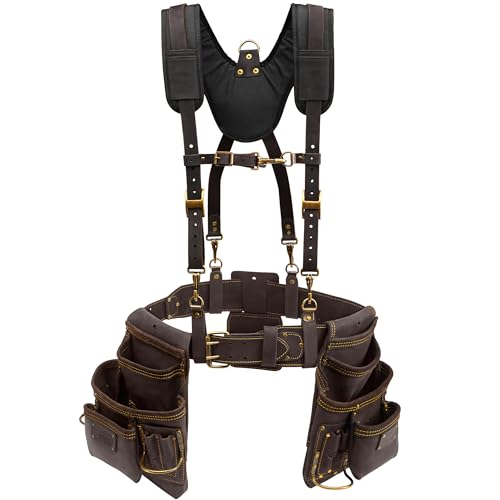
Pros
- Oil-tanned leather feels soft and supple while remaining incredibly durable
- Padded suspenders with foam backing noticeably reduce shoulder and back strain
- Wide belt design spreads tool weight across your torso for improved comfort
- Reinforced rivets at stress points mean this belt will outlast cheaper alternatives
- Dual hammer loops keep your most-used tools within instant reach
Cons
- Premium leather requires occasional conditioning to maintain appearance and flexibility
- No reviews currently available, so real-world feedback from users is limited
The OX Pro Oil-Tanned Leather Carpenter Tool Belt stands out as a premium choice for professionals who demand both comfort and longevity on the job site. The oil-tanned leather construction delivers that rare combination of a soft, supple feel right out of the box while maintaining the durability needed to withstand daily wear. Unlike synthetic alternatives that can feel stiff or uncomfortable, this belt's leather actually improves with use, developing character while resisting cracks and deterioration.
Comfort is where this tool belt truly shines, thanks to the padded nylon suspenders with integrated foam support. The 3-inch wide belt distributes your tool load evenly across your shoulders and lower back, significantly reducing fatigue during full-day jobs. This wider design is a game-changer compared to narrow belts that concentrate pressure in specific areas. The adjustable chest strap keeps everything in place without riding up, and the dual hammer loops ensure your most-reached-for tools stay exactly where you need them.
Build quality is evident throughout, with heavy-duty rivets reinforcing every stress point where pouches attach and tools hang. The fully adjustable leather loops and chest strap make this belt adaptable to different body types and work styles. Whether you're framing, running finish carpentry, or managing a crew, this belt is engineered to handle professional demands without compromise.
| Specification | Details |
|---|---|
| Brand | OX Tools |
| Material | Oil-Tanned Leather |
| Belt Width | 3 inches |
| Suspenders | Padded nylon with foam support |
| Hammer Loops | Dual loops |
| Fasteners | Heavy-duty rivets at stress points |
| Adjustability | Fully adjustable chest strap and leather loops |
| Intended Use | Framing, carpentry, general construction |
| Gender | Men's |
Fitting Your Belt: Start by adjusting the chest strap to your preferred height before fastening the belt. The padded suspenders should sit comfortably on your shoulders without pinching. Tighten the belt snugly around your waist, but not so tight that it restricts movement or breathing during physical work.
Organizing Your Tools: Use the dual hammer loops for your most frequently used hammers or pry bars. Attach tool pouches using the leather loops, distributing weight evenly on both sides to maintain balance. Heavier items should sit closer to your body for better control and reduced strain.
Adjusting During the Day: You may need to re-tighten the belt as you move between tasks or as materials shift. Check that the chest strap remains secure and that no pouches are sagging, which can cause discomfort over time.
Proper Weight Distribution: Avoid overloading your belt on one side. Distribute tool and material weight evenly across both sides of your body to prevent strain injuries and maintain balance on ladders or uneven surfaces.
Suspension System Inspection: Regularly check that padded suspenders are secure and not twisted. Twisted suspenders can reduce support and cause shoulder discomfort. Ensure all rivets remain tight and haven't loosened from repeated tool placement and removal.
Movement and Climbing: When climbing ladders or working at heights, ensure your belt isn't catching on rungs or creating obstacles. The dual hammer loops should be positioned so tools don't swing freely and knock against your legs or the ladder.
Leather Care: Oil-tanned leather improves with age and care. Periodically condition your belt with quality leather conditioner to maintain softness and prevent drying. Wipe away dust and debris after each job to extend the leather's lifespan.
Customization: The adjustable leather loops allow you to position pouches exactly where you work best. Experiment with different configurations on different jobs to find your ideal setup. Some pros prefer pouches higher on the hips, others lower for easier access.
Break-In Period: New leather tool belts may feel slightly stiff initially. Wear your belt for a few jobs to allow the leather to conform to your body. This break-in period is normal and actually helps create a custom fit that works perfectly for your frame and movement style.
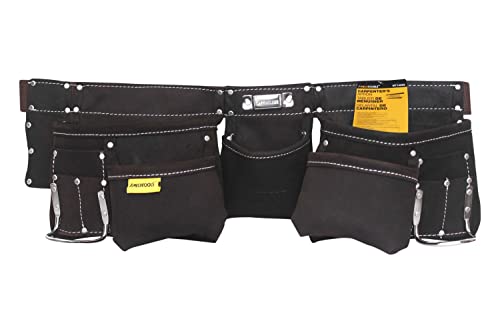
Pros
- Genuine oil-tanned leather is naturally durable, flexible, and improves with age and use
- Five well-designed pockets in varied sizes accommodate everything from pencils to tape measures
- Secure metal buckle and adjustable nylon belt provide stability and comfort for extended wear
- Heavy-duty stitching and reinforced construction withstand demanding jobsite conditions
- Versatile design suits professionals and homeowners alike across multiple trades
Cons
- Zero customer reviews available, so real-world durability feedback from actual users is limited
- Oil-tanned leather requires occasional conditioning to maintain suppleness and water resistance over time
The Mechtools Oil-Tanned Leather Tool Belt delivers practical storage for anyone who needs quick access to hand tools on the job. Built from genuine oil-tanned split leather, it combines the flexibility of quality leather with the durability needed for daily professional use. The five reinforced pockets vary in size and depth, giving you designated spots for nails, fasteners, pliers, screwdrivers, tape measures, and pencils, which means less time searching for tools and more time working.
Comfort and security matter during long workdays, and this belt handles both well. The high-strength nylon belt features an adjustable fit and premium metal buckle that stays put without shifting or loosening. The design allows freedom of movement while keeping your tools stable and accessible, whether you're climbing ladders, bending, or reaching overhead. Heavy-duty stitching throughout the pockets and attachment points shows attention to craftsmanship that should withstand years of jobsite wear.
This tool belt works equally well in indoor renovations and outdoor construction, making it a practical choice for carpenters, electricians, drywall installers, and serious DIY homeowners. The genuine leather construction develops character over time, and proper care will keep it functional for years. If you value organization, durability, and no-nonsense design, this belt is worth your consideration.
| Specification | Details |
|---|---|
| Material | 100% genuine oil-tanned split leather |
| Belt Material | High-strength nylon |
| Buckle Type | Premium metal buckle |
| Pocket Configuration | Five deep, reinforced pockets in various sizes |
| Stitching | Heavy-duty stitching throughout |
| Belt Adjustment | Adjustable fit |
| Suitable Trades | Carpentry, electrical work, drywall installation, contracting, DIY |
| Environment | Indoor and outdoor use |
| Brand | Mechtools (Raman Import & Export Inc.) |
| Quality Control | Strict quality standards and technical specifications |
Getting Started: Adjust the nylon belt to fit snugly around your waist. The metal buckle should sit flat and secure without pinching. You should be able to move comfortably and bend without the belt shifting.
Organizing Your Tools: Distribute weight evenly across the five pockets. Place heavier items like tape measures and pliers in the lower pockets for balance. Use smaller pockets for pencils, nails, and fasteners. This arrangement keeps your center of gravity stable during long workdays.
Maintenance: Wipe down the leather occasionally with a dry cloth to remove dust and debris. For deeper cleaning, use a soft damp cloth. Once or twice a year, condition the leather with a quality leather conditioner to maintain flexibility and water resistance. This simple care extends the life of your belt significantly.
Load Distribution: Balance your tool weight across both sides of your body to reduce back strain during long shifts. Avoid overloading one side, which can throw off your posture and tire you faster.
Pocket Organization System: Dedicate specific pockets to specific tools. Keep your most-used items in the most accessible pockets. This muscle memory saves time and keeps you efficient on the job.
Leather Care: Genuine leather improves with age. As it seasons, it becomes softer and molds to your body. Don't fight this process; embrace it. Regular conditioning prevents cracking and maintains the belt's water resistance, which protects your tools from moisture.
Belt Positioning: Wear the belt at hip level, not at your waist. This positioning distributes weight to your strongest core muscles and keeps tools within natural reach without excessive bending or stretching.
Who Should Buy This Belt? If you're a carpenter, electrician, plumber, drywall installer, or serious DIYer who works regularly with hand tools, this belt is designed for you. It's ideal for anyone who values durability, organization, and professional-grade construction.
What to Expect: Genuine oil-tanned leather is heavier and stiffer than synthetic alternatives when new, but it breaks in quickly and becomes more comfortable with use. The leather also develops a natural patina that shows character and age. This is normal and expected with quality leather products.
Investment Perspective: This is a long-term tool investment, not a disposable item. With proper care, a quality leather tool belt lasts years or even decades. If you're tired of replacing cheap belts, the durability and craftsmanship here make it worth the investment. The five pockets provide practical organization for most hand tool collections without being oversized or cumbersome.

Pros
- Premium leather quality means this belt will age gracefully and improve with use rather than deteriorate quickly
- Extensive pocket system keeps hand tools, fasteners, and small parts organized and accessible without fumbling
- Wide adjustable belt distributes weight evenly across the waist, reducing strain during extended wear
- Reinforced stitching and heavy-duty hardware ensure the belt handles demanding job sites without failing
- Two-prong buckle design allows fast adjustments on the fly without needing to unbuckle completely
Cons
- Premium leather requires occasional conditioning and maintenance to preserve appearance and flexibility over time
- No customer reviews currently available, making it difficult to assess real-world durability and long-term performance from actual users
The VEEKAY Brown Leather Tool Belt stands out as a well-engineered option for professionals and serious DIYers who demand durability and organization. The premium suede leather construction provides a substantial feel and professional appearance, while the 11-pocket design thoughtfully addresses the real-world need to keep multiple tools and fasteners within immediate reach. Whether you're framing, hanging drywall, or tackling electrical work, having organized access to your most-used items directly reduces project time and frustration.
The adjustable nylon belt with its heavy-duty metal roller buckle ensures a secure, comfortable fit across a wide range of body types (32 to 50 inches), and the two-prong design lets you tighten or loosen the belt without fully removing it. This practical feature becomes valuable during long workdays when you need to make quick adjustments. The reinforced stitching throughout the entire belt suggests attention to durability, addressing one of the primary failure points in cheaper tool belts where seams separate under load.
For carpenters, framers, and construction workers who rely on their tools daily, this belt represents a solid investment in organization and longevity. The leather will age and develop character over time, and proper maintenance will keep it functional for years. If you're transitioning from a budget tool belt or upgrading from a worn-out option, the VEEKAY's construction quality and practical pocket layout make it worth considering for your job site rotation.
| Feature | Detail |
|---|---|
| Material | Premium Brown Suede Leather |
| Belt Type | Adjustable Nylon with Heavy-Duty Metal Roller Buckle |
| Waist Size Range | 32 to 50 inches (fully adjustable) |
| Number of Pockets | 11 Pockets and Tool Holders |
| Buckle Style | Double-Prong Roller Buckle |
| Stitching | Reinforced Throughout |
| Best For | Construction, Carpentry, Framing, General Contracting |
| Brand | VEEKAY WORK GEAR |
Getting Started: Lay the belt flat and adjust the nylon belt to your approximate waist size before wearing. The metal roller buckle slides along the nylon, so you can pre-fit it for comfort.
Wearing the Belt: Wrap the belt around your waist at hip level (not at your natural waist). Position the buckle on your dominant side for easy access. The wide nylon portion should sit comfortably without pinching. Use the two-prong roller buckle to secure it snugly but not so tight that it restricts movement or breathing.
Loading Tools: Distribute weight evenly across the pockets rather than overloading one side. Place heavier tools (hammers, wrenches) toward the back and sides for better balance. Keep frequently used items in the front pockets for quick access. Avoid overstuffing pockets, which stresses seams and makes bending difficult.
Adjustments During Work: Use the two-prong buckle to tighten or loosen the belt as needed without fully removing it. This is especially useful if you're wearing layers or need to adjust for comfort during the day.
Leather Care: Condition your VEEKAY leather belt every 3-6 months with a quality leather conditioner. This keeps the suede supple and extends its lifespan significantly. Wipe it down after dusty or wet job days to prevent buildup.
Weight Distribution: Don't load all your tools into one pocket or section. Spread them across the belt to reduce strain on your lower back and hips during long work sessions. The wide nylon belt is designed to distribute weight evenly.
Pocket Organization: Organize your pockets by frequency of use. Keep your most-reached tools in front pockets for quick access. Reserve deeper pockets for items you use less often or need to secure against loss.
Storage Between Projects: Store the belt in a cool, dry place away from direct sunlight. Don't coil it tightly or fold it sharply, as this can create permanent creases in the leather. Hang it on a hook or lay it flat when not in use.
Who Should Buy This Belt? The VEEKAY is ideal for professional carpenters, framers, electricians, and serious DIYers who spend extended time on job sites. If you're upgrading from a discount tool belt or need reliable organization for frequent projects, this belt's premium leather and 11-pocket design justify the investment.
Key Considerations: This belt requires periodic leather maintenance to keep it in top condition. If you prefer zero-maintenance synthetic options, you may want to explore alternatives. The belt's weight is substantial (appropriate for durability), so if you're sensitive to hip and back strain, ensure the fit is snug and the load is well-distributed.
Sizing Tips: The 32-50 inch range accommodates most adults, but measure your actual waist size before ordering. If you're between sizes or plan to wear the belt over heavy winter clothing, size up slightly for comfort. The adjustable nylon belt provides flexibility, but a proper starting fit is important.
Value Assessment: Premium leather tool belts are investments in durability and comfort. Compare this against cheaper alternatives that may need replacing every 1-2 years. If you use your tools regularly, the VEEKAY's reinforced construction and quality materials make it a cost-effective choice over time.
Tool Belt Buying Guide
Choosing the right tool belt requires more than picking whatever fits your waist. Material, pocket layout, weight distribution, and trade-specific features all affect whether a belt actually improves your workday or just adds bulk. Use the factors below to narrow your options before committing.
Material and Durability
Tool belts come in three primary materials: leather, synthetic fabric (primarily nylon or polyester), and canvas. Each has distinct trade-offs worth understanding.
Oil-tanned leather is the traditional choice for professionals. It molds to your body over time, resists moisture and abrasion better than most synthetics, and tends to outlast cheaper alternatives by years when properly maintained. Options like the OX Pro Oil-Tanned Leather Carpenter Tool Belt and the Oil-Tanned Leather Tool Belt 5-Pocket Apron represent this category well at different price points. Suede leather, used in the Graintex DS2388 11-Pocket Suede Leather Tool Belt and the VEEKAY Brown Leather Tool Belt, is softer and easier to break in but slightly less resistant to heavy moisture exposure.
Synthetic belts made from reinforced nylon or Oxford fabric tend to be lighter and more affordable. The Ultra-Thick Oxford Work Pouch with 15 pockets is a standout example at a budget-friendly price point. These materials don’t require conditioning and typically resist staining more easily than natural leather, though they may wear faster under heavy professional use.
Modular systems like the ToughBuilt ClipTech 3-Piece Handyman Tool Belt Set use a combination of rugged synthetic construction with a clip-based attachment system, letting you reconfigure pouches depending on the task at hand. This flexibility is hard to replicate with a traditional single-piece leather apron.
Pocket Count and Layout
More pockets aren’t always better. What matters is whether the pockets are the right size and in the right positions for your specific tools. A framer reaching for a nail punch needs a different layout than an electrician carrying wire strippers and a voltage tester.
For electricians and contractors who carry a wide variety of small tools, a high pocket count makes a real difference. The DEWALT Professional Tool Belt Organizer with Suspenders and 25 Pockets and the Klein Tools 55896 Tool Rig with 23 Pockets both offer enough compartments to separate fasteners, hand tools, measuring devices, and accessories without everything piling into one deep pouch. Electricians in particular benefit from keeping wire strippers and similar precision tools in dedicated slots where they won’t rattle against harder metal.
For carpenters and framers, hammer loops and nail slots matter as much as overall pocket count. The CLC Custom Leathercraft 5605 Professional Carpenters Combo Tool Belt with 18 pockets and the DEWALT Leather Tool Belt 11-Pocket each prioritize functional layouts over raw numbers. A dedicated hammer loop is non-negotiable if you’re swinging one all day, and having a second loop gives you a backup position when switching between hammers of different weights. Pair your belt with one of the reliable claw hammers we’ve evaluated for a fully capable framing setup.
For lighter tasks and homeowners, a simpler apron with five to eleven well-placed pockets often beats an overly complex rig. The Genuine Leather Detachable Single-Side Tool Belt Pouch and the FESA Men’s Leather Tool Belt take this streamlined approach, keeping weight low and access fast for occasional project use.
Weight Distribution and Comfort
An overloaded tool belt worn without proper support causes lower back fatigue fast. The physics are simple: weight hanging off your hips without stabilization torques your lumbar spine with every step. Suspenders solve this by transferring load to your shoulders and core, which is why professional-grade rigs from DEWALT and Klein Tools include padded shoulder straps as standard.
The DEWALT 25-Pocket Tool Belt with Suspenders and the Klein Tools Tool Rig with Padded Suspenders are purpose-built for full-day wear under a significant load. If you’re working a short job or carrying minimal tools, a belt-only design like the OX Pro Leather Belt with Padded Suspenders (which offers suspenders as an included add-on) bridges the gap. The padded backing on the OX Pro’s belt section is a welcome feature that reduces hotspots when working for extended periods.
Fit range also matters. Most tool belts in this group cover waist sizes from roughly 29 to 52 inches, but always verify before buying if you’re at either end of that range. The Ultra-Thick Oxford Work Pouch is specifically listed as fitting 31 to 52 inches, while the VEEKAY Brown Leather Tool Belt fits 32 to 50 inches. Adjustability is especially important because you may be wearing the belt over different clothing thicknesses depending on the season.
Trade-Specific Considerations
Not all tool belts serve all trades equally. Here’s a quick breakdown by profession:
- Carpenters and framers benefit from multiple hammer loops, deep nail pockets, and wide apron coverage. The CLC 5605 and DEWALT Leather 11-Pocket are designed with this user in mind. A reliable tape measure clips neatly to most of these belts.
- Electricians need narrow, deep pockets that keep tools vertical and accessible. The Klein Tools 55896 rig is optimized for electrical work and can accommodate wire strippers, voltage testers, and conduit benders without crowding.
- Contractors and general tradespeople often favor modular systems that reconfigure between jobs. The ToughBuilt ClipTech set excels here because pouches can be removed and repositioned in seconds without detaching the entire belt.
- Homeowners and DIYers typically benefit from a lightweight leather apron or a compact single-pouch belt. The FESA and the Genuine Leather Detachable Pouch are both priced accessibly and carry enough for most weekend projects, including a utility knife, measuring tape, and a handful of fasteners.
Construction Quality Indicators
Stitching density, rivet placement, and buckle construction separate a tool belt that lasts a season from one that lasts a decade. Look for double or triple stitching at stress points, metal rivets at pocket bases, and belt hardware made from steel rather than plastic. The leather options in this roundup, including the OX Pro, CLC 5605, and the VEEKAY suede belt, use heavy-duty stitching throughout. On synthetic models like the ToughBuilt and the DEWALT 25-pocket, 1680D reinforced material signals serious construction intended for jobsite conditions rather than occasional home use.
When you’re stocking your belt, quality tools in every slot matter as much as the belt itself. Consider filling yours with a solid hex key set for fastener versatility, a dependable set of chisels for woodworking, and a precision combination square for layout work.
Belt Width and Padding
The belt itself, not just the pouches, should be evaluated carefully. A 2-inch-wide belt distributes weight adequately for lighter loads. For full rigs carrying hammers, levels, and multiple pouches, look for 4-inch-wide padded belts with contoured backing. The VEEKAY belt ships with a 2-inch nylon belt, which is suitable for its five-to-eleven-pocket configuration but would feel insufficient under a heavier rig. The DEWALT 25-pocket system and the Klein Tools 55896 use significantly wider, padded belt assemblies that make all-day wear realistic rather than painful.
Why Trust HomeThru
HomeThru is an independent review platform with no affiliation to any manufacturer, retailer, or sponsored partnership that influences our rankings. Our editorial team researches, analyzes, and compares products using verified buyer data, manufacturer specifications, and publicly available professional feedback. We do not sell products, process orders, or handle returns. Every recommendation in this guide reflects our genuine assessment of how each tool belt performs relative to its price point, intended use, and the real-world needs of both professionals and homeowners.
For this guide, we evaluated twelve tool belts across key criteria including material quality, pocket layout and count, comfort features like padding and suspender compatibility, waist size range, stitching and hardware construction, and user feedback patterns from hundreds of verified purchasers. We also drew on category knowledge from our broader coverage of hand tools, including our independent evaluations of wrench sets, hand saws, and spirit levels, to understand how tool belt design interacts with what professionals actually carry.
Final Thoughts
The best tool belts in this roundup cover a wide spectrum of trades, budgets, and working styles. Here are our standout picks by category:
- Best Overall: DEWALT Professional Tool Belt Organizer with Suspenders and 25 Pockets combines the highest pocket count, padded suspender support, and heavy-duty construction in a single package that works equally well for professionals and serious DIYers. It earns its place at the top of this list with the strongest overall ratings among all twelve options we reviewed.
- Best for Carpenters: CLC Custom Leathercraft 5605 Professional Carpenters Combo Tool Belt delivers an 18-pocket layout optimized for framing and finish work, with a proven track record across hundreds of verified reviews from working tradespeople.
- Best Modular System: ToughBuilt ClipTech 3-Piece Handyman Tool Belt Set lets contractors reconfigure their setup between tasks without removing the entire belt, a genuine workflow advantage on varied jobsites.
- Best Budget Pick: FESA Men’s Leather Tool Belt offers handcrafted top-grain leather construction at an accessible price point, making it the strongest value option for homeowners and light-duty users who still want real leather durability.
- Best Premium Leather Rig: OX Pro Oil-Tanned Leather Carpenter Tool Belt with Padded Suspenders justifies its higher price with dual hammer loops, padded suspenders, and oil-tanned leather that breaks in beautifully and resists jobsite conditions over years of use.
Whichever belt you choose, remember that it’s only as useful as the tools filling it. Equip yours with quality screwdrivers, a sharp utility knife, and an accurate tape measure to build a genuinely capable everyday carry setup. If your projects involve power tool use nearby, a cordless screwdriver kept within arm’s reach can complement your belt tools without adding bulk to your waist.
Frequently Asked Questions
What is the difference between a tool belt and a tool rig?
A tool belt typically refers to a belt with attached pouches that wraps around the waist only. A tool rig is a more complete system that includes a belt, one or more separate pouches clipped or buckled on, and often padded suspenders to distribute weight across the shoulders and hips. Rigs like the Klein Tools 55896 and the DEWALT 25-pocket system are full rigs. Simple aprons like the FESA leather belt are belt-only configurations suited to lighter loads.
Is leather or nylon better for a tool belt?
Both materials are strong choices depending on the context. Oil-tanned leather molds to your body over time, offers excellent abrasion resistance, and has a longer service life under professional conditions. Nylon and synthetic options are lighter, easier to clean, and usually more affordable. For daily professional use in demanding environments, leather is typically preferred. For occasional home use or lighter trades, quality synthetic construction performs reliably at a lower investment.
Do I need suspenders with my tool belt?
Suspenders become important the moment your loaded belt starts pulling uncomfortably at your hips or lower back. If you carry hammers, a full set of hand tools, fasteners, and measuring devices simultaneously, suspenders are almost essential for all-day comfort and long-term back health. For lighter configurations, a well-padded belt without suspenders is usually sufficient. Several options in this guide, including the DEWALT and Klein Tools rigs, include suspenders as part of the package. Consider whether your typical load justifies the added support before choosing.



Write Your Review
No reviews yet. Be the first to share your experience!