
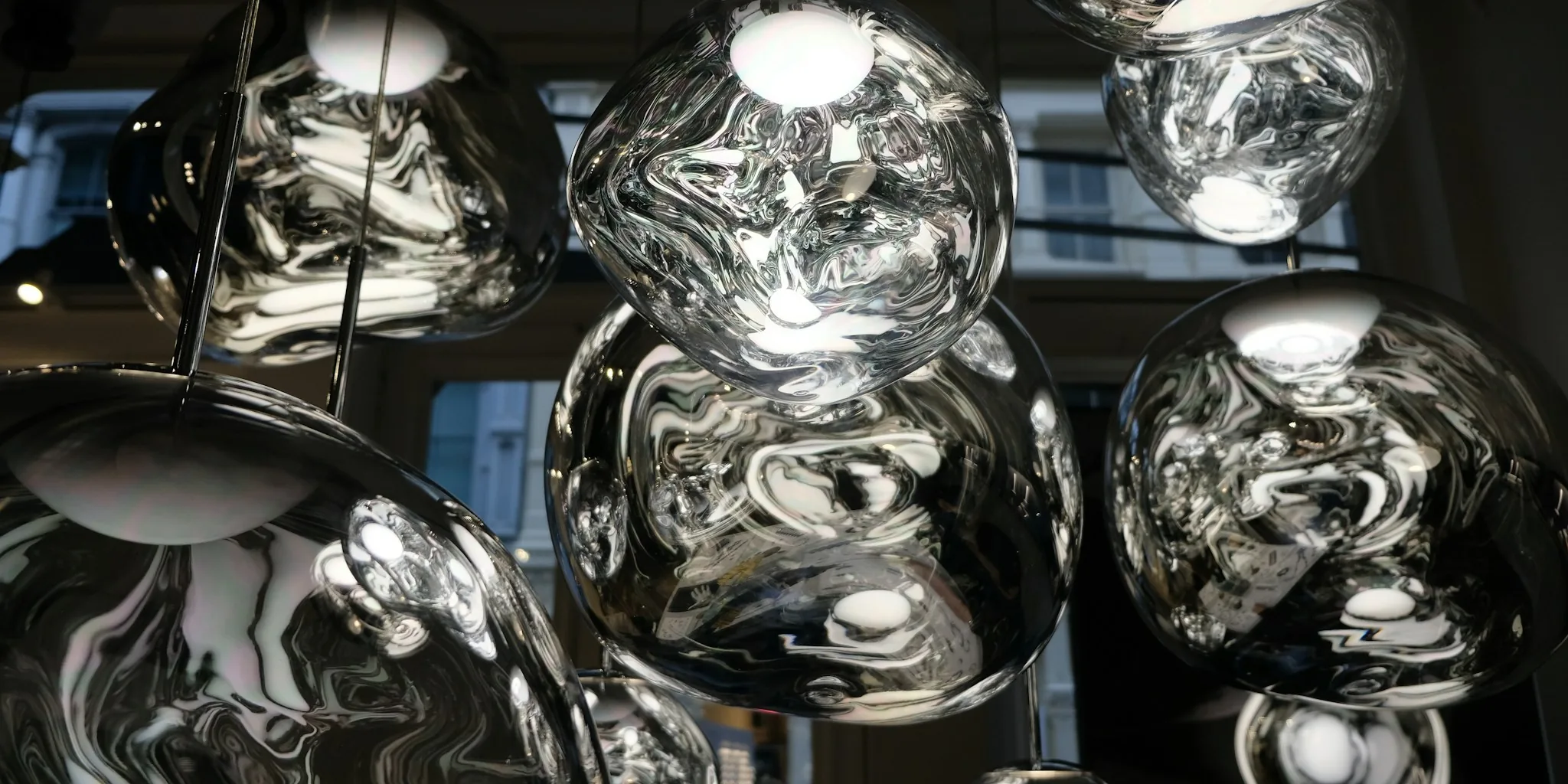

A major collaboration between a celebrated New York ceramicist and a leading home goods retailer is reshaping how consumers think about lighting design. The new collection reimagines functional fixtures as artistic statements, drawing inspiration from Renaissance paintings and museum-quality jewelry. This shift away from conventional, matching symmetrical arrangements signals a broader trend in how shoppers should approach lighting in their own homes.
Artistic Vision Meets Functional Design
The latest lighting collaboration introduces pieces that blur the line between art and everyday home decor. Each fixture tells a visual story, moving away from the sterile, uniform approach many homeowners have traditionally followed. One standout piece transforms the simple concept of a cherry into a sculptural table lamp, while another wall sconce mimics the overflowing abundance of a painted cornucopia. These aren’t just light sources; they’re conversation starters designed to spark joy and creativity in any room.
The collection also includes statement-making pieces inspired by vintage jewelry and antique metalwork. An all-chrome duo draws directly from archival studies of ornamental chains and small sculptural details found in classic jewelry pieces. This artistic approach means buyers are getting fixtures that function as both illumination and interior decoration.
Rethinking Symmetry and Placement
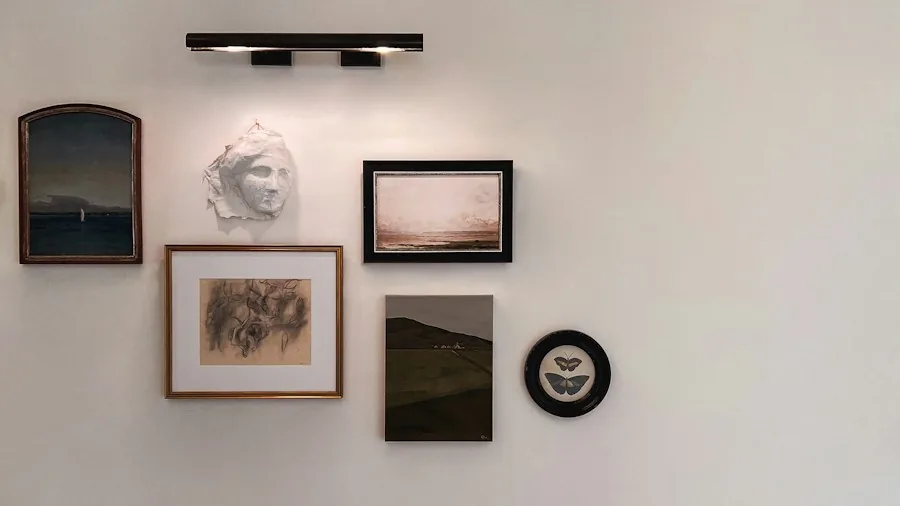
One of the most important takeaways for shoppers is that lighting placement no longer requires perfect balance or matching pairs on either side of a bed or mirror. The designer behind this collection actively discourages that conventional thinking. Instead, fixtures can be positioned to create unexpected focal points, placed solo gallery-style on a wall, or clustered to form intimate design moments throughout a room.
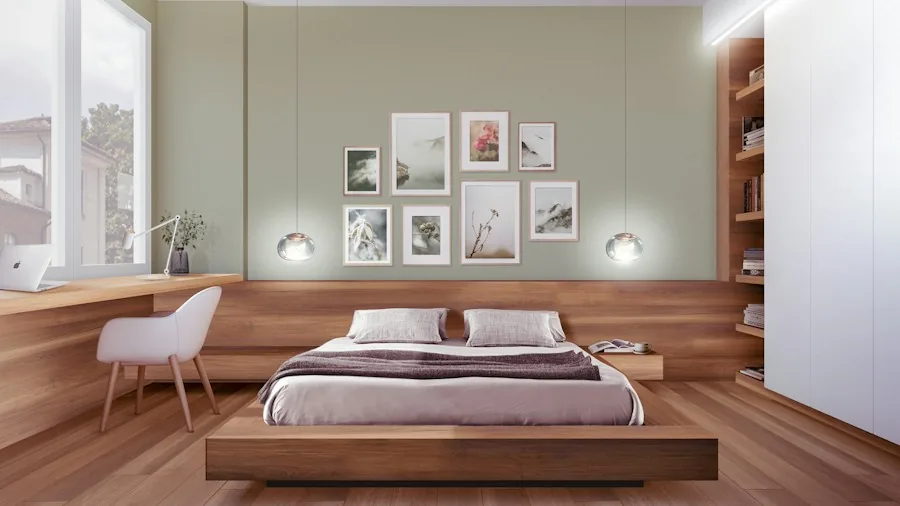
This flexibility offers buyers more creative freedom than traditional matching sconces provide. You can mix, match, and place pieces based on where you want to draw attention or create visual interest, rather than following rigid design rules. Whether flanking a bed asymmetrically, anchoring an empty wall, or highlighting architectural features, lighting becomes a tool for personal expression.
Why Lighting Should Come First
The designer emphasizes a crucial principle that transforms how buyers should approach room planning: lighting should inform your design strategy from the beginning, not serve as an afterthought. Rather than selecting paint, furniture, and decor first and then figuring out where to put lamps, consider lighting as a starting point that shapes your entire aesthetic.
This approach mirrors how curators in major museums design exhibitions. They don’t fill rooms with art and decide on lighting later; the lighting is integral to how artwork appears and how visitors experience the space. Your living room deserves the same intentional approach. When choosing lighting to transform your space, think about how fixtures can guide the eye, set the mood, and define different zones within a room.
What This Means for Home Shoppers
For consumers browsing lighting options, this collaboration signals that the market is evolving away from cookie-cutter solutions. Retailers are increasingly offering statement pieces that encourage individuality rather than conformity. Vintage lighting and artistic pieces are gaining traction with both designers and homeowners, reflecting a cultural shift toward celebrating eccentricity and uniqueness in interior design.
This trend means buyers have more permission to trust their instincts when selecting fixtures. If an unconventional placement or unexpected style combination appeals to you, the design world is increasingly validating those choices. Lighting is no longer about matching and symmetry; it’s about creating visual moments and expressing personality.
Practical Takeaways
When shopping for lighting, consider these key principles from this emerging design philosophy:
- Think of fixtures as sculptural art pieces, not just functional utilities
- Embrace asymmetrical arrangements and unexpected placements
- Choose lighting early in your design process to guide overall room aesthetics
- Look for pieces with personality and unique details that reflect your taste
- Don’t feel obligated to purchase matching pairs or sets
The growing availability of artistic, individually designed lighting fixtures means consumers no longer need to settle for bland, mass-produced options. Modern lighting solutions now combine storage and illumination, expanding what’s possible in your spaces. Whether you’re drawn to surrealist art, vintage aesthetics, or bold contemporary design, lighting collections are expanding to meet diverse tastes and design philosophies that celebrate individuality over conformity.





