

Why Your Pillow Yellows and What It Really Means
If you own a memory foam pillow, you have likely noticed stubborn yellow stains developing over time, especially in high-sweat areas. These stains are not purely cosmetic. They result from sweat, sebum, and oils from your skin and hair seeping into the pillow’s surface. Over extended periods, these substances oxidize and create set-in discoloration that looks unsightly and can harbor bacterial growth. For anyone spending eight hours a night with their face on that pillow, understanding what causes these stains and how to safely remove them matters significantly for both cleanliness and health.
Why You Cannot Simply Toss It in the Washing Machine
Many people assume they can solve the problem the same way they clean other bedding: dump the pillow into a washing machine on a hot cycle. This approach will permanently damage memory foam. High temperatures and water saturation break down the delicate foam structure beyond repair. The same caution applies to many specialty fabrics and materials. Washing machine damage to delicate items requires understanding which materials need special care to avoid costly mistakes. For memory foam pillows specifically, aggressive washing methods will compromise the foam’s integrity and leave you needing replacement much sooner than expected.
The Hydrogen Peroxide Solution
A simple, affordable cabinet staple can restore yellowed memory foam pillows to their original brightness: 3% hydrogen peroxide. This common household product works through both antiseptic and mild bleaching properties, making it ideal for tackling set-in stains from sweat, oil, and even tea or food spillages. The key is proper dilution and gentle application. Mixing one part hydrogen peroxide with four parts water creates a solution strong enough to eliminate stains while remaining safe for the foam’s delicate structure. Applied correctly, this method removes stains rather than masking them, addressing the bacterial problem at its source.
Step by Step: How to Restore Your Pillow
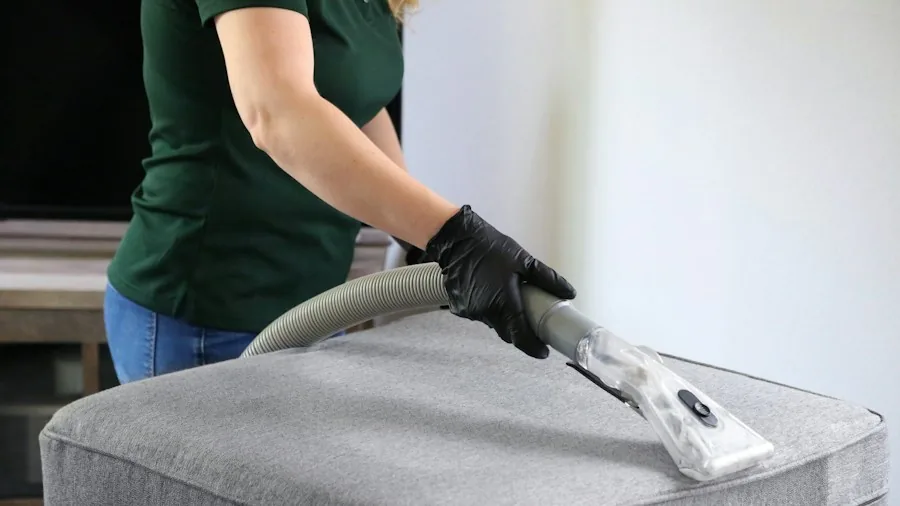
Start with thorough vacuuming. Before tackling stains, remove surface dust, dead skin cells, and mites using a vacuum with an upholstery attachment. Pay special attention to seams and crevices. If your pillow lacks a fresh scent, sprinkle baking soda across the surface, wait at least thirty minutes, then vacuum thoroughly.
Apply a gentle detergent wash. Mix one part laundry detergent with ten parts water and lightly mist the entire pillow surface. Using a soft microfiber cloth, gently dab the pillow with circular motions to lift dirt and oils. Avoid pressing hard or oversaturating, as rough handling damages the foam.
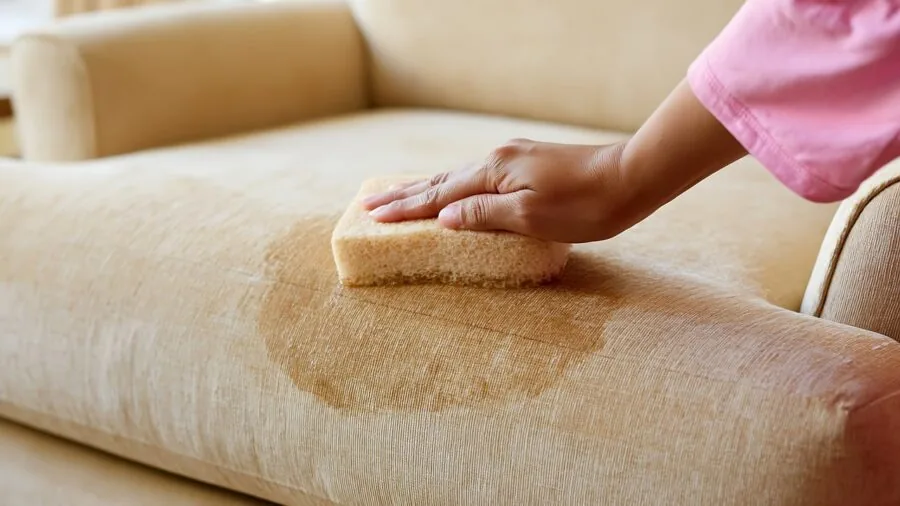
Target the stains with hydrogen peroxide. Wear gloves to protect your skin. Apply the diluted hydrogen peroxide solution to a microfiber cloth rather than spraying directly onto the pillow. This method gives you control over moisture levels. Dab the stained areas and allow the solution to work for approximately thirty minutes. Then blot gently with a clean, damp cloth. Repeat this step and the previous one if needed to achieve desired results.
Dry completely. Never use a tumble dryer, as extreme heat damages the foam. Instead, lay the pillow flat on a drying rack in indirect sunlight. Memory foam is highly porous and traps moisture deep within its structure, creating conditions for bacterial and mold growth if not thoroughly dried. Allow a minimum of four hours for light cleaning, turning the pillow halfway through. For heavier saturation, plan for up to twenty-four hours of drying time. Common washing machine mistakes extend to improper drying techniques that create odors and other problems, and similar drying principles apply to pillows.
Important Safety Precautions
Hydrogen peroxide carries important usage restrictions. Never apply it to dark-colored fabrics or delicate materials like silk, wool, or cashmere, as the mild bleaching effect will cause permanent discoloration. Always use the 3% concentration available at most retailers. Never mix hydrogen peroxide with other cleaning chemicals, as dangerous reactions can occur. Always wear gloves when handling the product to protect your skin.
What This Means for Pillow Shoppers
Understanding pillow maintenance should factor into your purchasing decisions. Memory foam pillows require more careful handling than traditional pillows, but they also respond well to gentle cleaning methods when treated properly. The good news is that restoration costs only a dollar or two and takes a few hours of your time rather than requiring replacement. For existing pillow owners, knowing that years of accumulated stains can be removed encourages proper cleaning schedules before problems develop. For future buyers, this knowledge should inform expectations about ongoing care and maintenance requirements before committing to memory foam.





