


Microwave Beats Oven for Baked Potatoes: What Home Cooks Need to Know
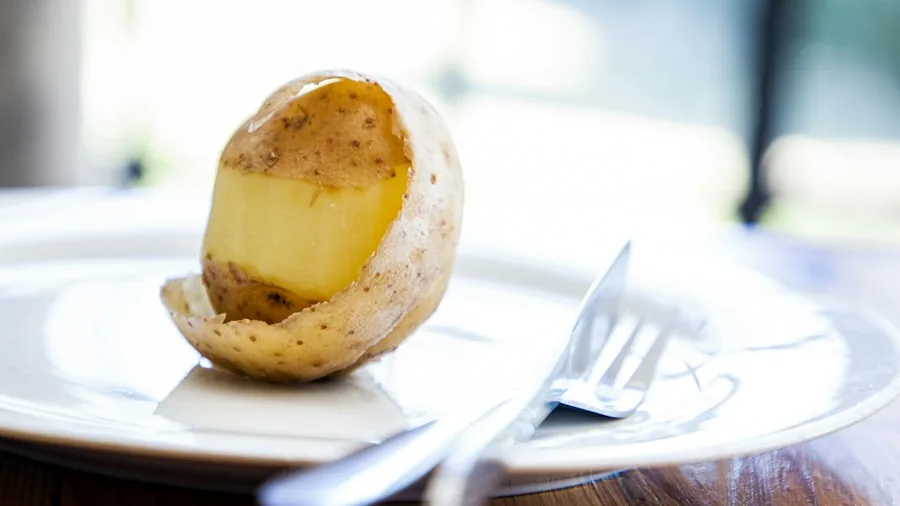
For decades, home cooks have turned to the oven to prepare baked potatoes. The method is traditional, familiar, and seems logical given the name. But kitchen experts have discovered that a different appliance delivers superior results in a fraction of the time. The microwave produces fluffier, more moist potatoes while cutting cooking time from over an hour to under ten minutes. This shift in approach challenges conventional wisdom and offers practical benefits for busy households.
How the Two Appliances Cook Differently
Understanding why the microwave wins requires looking at how each appliance generates heat. An oven surrounds food with hot air that gradually transfers warmth to the surface, working its way inward. This convection process is slow and has a drying effect as heat penetrates dense foods like potatoes. The method takes significant time to preheat the oven and then 60 to 90 minutes to fully cook a whole potato.
A microwave operates on an entirely different principle. It emits electromagnetic waves that agitate water molecules inside the food itself, generating heat from within. This means the potato cooks from the inside out rather than outside in. For a dense, moisture-rich vegetable like a potato, cooking from the interior outward preserves the natural juices and creates a tender, fluffy texture throughout.
Ovens do excel in certain cooking scenarios. They create the Maillard reaction, a browning and caramelization process that requires hot, dry air. This is why ovens are ideal for making crispy fries, roasted potatoes, and other dishes where a golden exterior matters. But for a traditional baked potato where you want a soft, creamy center, the microwave’s moisture-preserving method is clearly superior.
The Microwave Method: Simple and Fast
Preparing a potato in the microwave follows nearly the same steps as the oven approach, with one major advantage: speed. Begin by piercing the potato several times with a fork. This crucial step allows steam to escape during cooking and prevents the potato from bursting or exploding inside the microwave.
Next, place the potato directly on the microwave turntable and set the power level to maximum. Cooking time varies based on potato size and density. A medium-sized sweet potato requires about five to six minutes, while a denser russet potato needs approximately eight minutes. For best results, cook in two to three minute intervals rather than all at once. Between intervals, check the potato’s doneness by inserting a fork into the center. When the fork slides through with no resistance, the potato is ready.
You can microwave multiple potatoes simultaneously, though additional time will be needed for each additional potato. After cooking completes, let the potato cool for a minute or two before handling, as it will be extremely hot. Slice the potato down the center and add your preferred toppings and seasonings.
Real-World Benefits for Home Cooks
The practical advantages of the microwave method are significant for everyday cooking. When dinner needs to be on the table quickly, cutting an hour from preparation time matters. Families with young children, shift workers, and busy professionals can benefit from weeknight meals prepared in under ten minutes. The method also uses less energy than preheating and running a full-size oven, which appeals to cost-conscious households.
Beyond speed, the texture improvement is noticeable. Microwave-cooked potatoes have a distinctly fluffier interior compared to their oven-baked counterparts. The preserved moisture creates a creamier mouthfeel that pairs better with toppings and fillings. If you’re planning a loaded baked potato with sour cream, cheese, bacon, and chives, the microwave preparation actually enhances the overall dish by starting with better texture.
The technique also works well when cooking multiple potatoes at once. Unlike oven cooking where crowding a baking sheet can affect results, the microwave handles quantity efficiently. This makes the method practical for meal prepping or feeding a family on busy evenings.
When to Use Each Method
While the microwave wins for traditional baked potatoes, the oven remains the right choice for certain applications. Smashed potatoes develop better texture and flavor when started in the oven. Similarly, if you’re making homemade fries or roasted potato wedges, the oven’s dry heat creates the crispy exterior that defines these dishes. Consider using oven searing techniques for other proteins that benefit from high heat and browning.
For complete kitchen versatility, quality cookware matters. Dutch ovens have become increasingly popular for various cooking methods, and cast iron Dutch ovens offer solid performance for braising and baking when oven cooking is your preferred approach.
The Bottom Line
The evidence is clear: the microwave is the superior method for cooking a whole potato when you want optimal texture and speed. Next time you crave a baked potato, skip the oven preheating and long wait. Instead, grab a potato, pierce it with a fork, and pop it into the microwave. In under ten minutes, you’ll have a perfectly cooked potato with a moist, fluffy interior ready for all your favorite toppings.





