
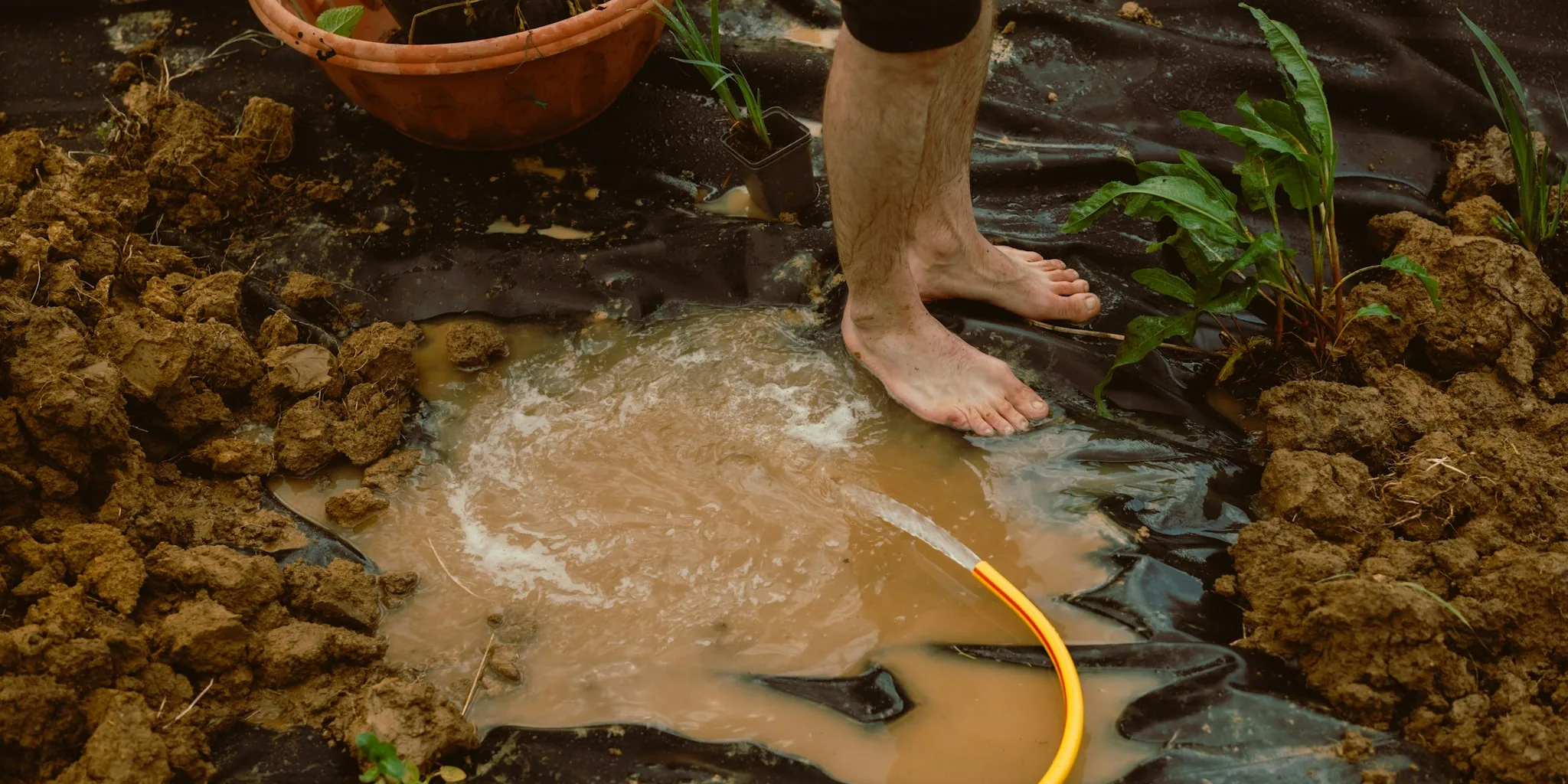

Before you toss out your worn shower curtain, consider giving it a second life in your garden. A growing number of homeowners are discovering that old bathroom fixtures, particularly shower curtains and liners, can serve as surprisingly effective weed control solutions. This reuse trend not only saves money on expensive landscape fabric but also keeps usable materials out of landfills.
Why Shower Curtains Work as Weed Barriers
Landscape fabric has long been the go-to product for blocking sunlight and preventing weeds from taking root. However, an old shower curtain can accomplish similar results at no additional cost. Most people replace their shower liners regularly because plastic curtains accumulate moisture, soap scum, and mildew buildup faster than fabric alternatives. Rather than immediately discarding these worn items, homeowners can repurpose them outdoors before they reach the trash bin.
Material Matters: Choosing the Right Curtain

Not all shower curtains are created equal when it comes to garden use. The type of material your curtain is made from determines whether it will function effectively as a weed barrier. Fabric shower curtains made from breathable materials such as cotton or linen work best because they allow water and air to pass through the soil. Some polyester curtains may also work if they lack a waterproof coating.
Plastic shower curtains and liners present a different option with distinct advantages and disadvantages. While traditional landscape fabric is designed to be permeable, a solid plastic barrier prevents both water and air from reaching the soil beneath it. This can disrupt drainage and affect the underground ecosystem. However, this impermeability can be beneficial if your goal is to kill existing weeds or eliminate grass in a specific area before planting.
Before using any old shower curtain outdoors, inspect it carefully for signs of deterioration. If the plastic is peeling or falling apart, skip this project to avoid introducing microplastics into your garden. A curtain in good structural condition is essential for this reuse strategy to work.
How to Install Your Recycled Shower Curtain
The installation process is straightforward and requires minimal tools. Lay the curtain flat over the soil you want to protect. Cut holes through the material to allow your existing plants to grow through. For a plastic curtain, simply lay it over your lawn or driveway where you want to kill grass and start a new flower bed, or position it to suppress weeds in pathways.
Once positioned, you’ll need to secure your curtain to keep it in place and maintain a finished appearance. Anchor it with mulch, gravel, or decorative stones. This step serves both practical and aesthetic purposes, as an exposed shower curtain will look out of place in your landscape design. The weight of these materials will prevent wind from lifting the curtain while adding visual appeal to your garden beds.
Monitor Drainage and Adjust as Needed
After installation, pay close attention to how water behaves on and around your repurposed curtain. If water begins pooling on the surface or if you notice that soil becomes waterlogged or unusually dry, your shower curtain may not be the ideal solution for that particular area. In these cases, switching to a permeable landscape fabric or adding a thick layer of organic mulch might serve you better.
Keep in mind that when you upgrade your bathroom fixtures to newer options, those older items often have surprising utility beyond their original purpose. Understanding how to assess materials for secondary use helps you make environmentally conscious choices.
Additional Benefits of This Gardening Hack

The advantages extend beyond simple cost savings. By reusing an old shower curtain, you’re extending its useful life and reducing the volume of waste heading to landfills. This aligns with broader sustainability goals many homeowners embrace. Additionally, other worn bathroom items like towels can also find new purpose in home composting efforts, creating a complete waste-reduction strategy for your household.
Plastic liners offer one more advantage: they can trap moisture and heat to effectively kill weeds or grass beneath them, similar to a black tarp but often available for free from items you already own. This method works particularly well if you’re preparing a new flower bed or clearing a section of your lawn.
Is This Solution Right for Your Yard
Before committing your old shower curtain to garden duty, evaluate your specific needs. If you require water and air permeability, a breathable fabric curtain is your best option. If you’re attempting to kill existing vegetation or need a temporary barrier, plastic works effectively. Either way, this hack represents an intelligent way to maximize the value of items heading toward disposal. Like many bathroom products, shower curtains deserve consideration for reuse before removal.
This trend demonstrates that smart shoppers understand the hidden value in everyday household items. Before replacing your bathroom essentials, think creatively about their potential outside the house.





Write Your Review
No reviews yet. Be the first to share your experience!