

Signify, the manufacturer behind the Philips Hue brand, unveiled a significant innovation at IFA Berlin that could reshape how millions of people experience smart lighting. The new Hue Play Screen Sync system represents a major shift in making immersive lighting technology accessible to far more consumers, regardless of how they watch television.
What’s Actually Changing
The Hue Play system has long offered the ability to sync smart lights with on screen colors, extending your TV content into your room for a more immersive viewing experience. However, this feature required purchasing an additional piece of hardware: the Philips Hue HDMI Sync Box. This device sits between your video source and TV, meaning it only worked if you connected your content through an HDMI input. If you relied on a smart TV’s built in apps like Netflix, Prime Video, or other streaming services, the Sync Box couldn’t help you. The frustration was real for shoppers who already owned the Hue system but lacked the ability to sync lights with their preferred content sources.
The new Screen Sync technology removes this barrier entirely. Instead of requiring an HDMI connection, the system uses a fisheye camera to monitor what appears on your TV screen. This camera based approach means synchronization works with any source: streaming apps on your smart TV, cable or satellite boxes, gaming consoles, or yes, even HDMI connected devices. For buyers who’ve been locked out of the immersive lighting experience, this is genuinely transformative.
Comparing the Approach to Competitors
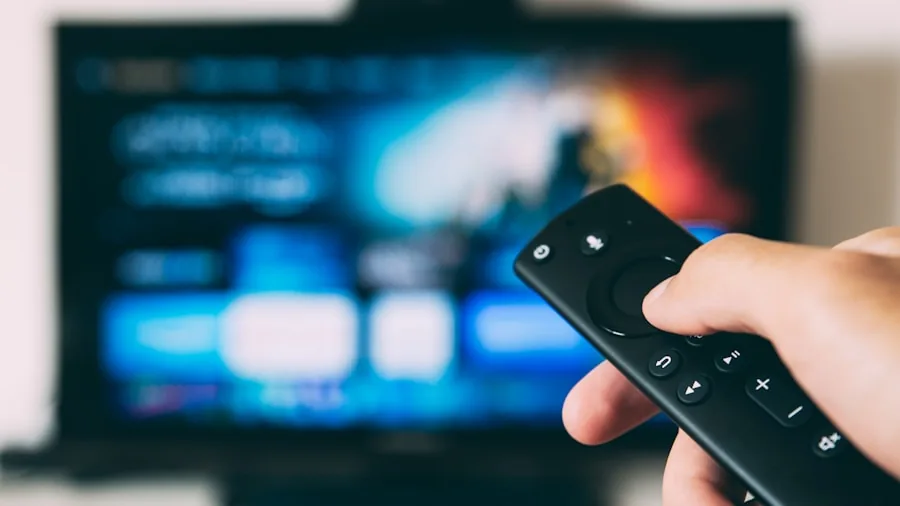
Camera based screen syncing isn’t brand new. Rival companies like Govee and Nanoleaf have already released similar systems, so shoppers familiar with those brands might wonder what makes Philips Hue’s version worth considering. The trade offs are real: camera based systems can struggle with screen reflections and typically introduce more latency (delay) compared to direct HDMI connections, where the signal is fed directly to the lighting controller. Buyers should expect the Hue Play Screen Sync to perform comparably to existing camera options rather than outperforming wired HDMI setups. However, for people who can’t use an HDMI Sync Box due to their TV setup, this camera option is genuinely the only path forward.
In related news, Philips Hue and Nanoleaf integration is nearly confirmed, which could give shoppers more flexibility in mixing and matching their smart light brands within a single ecosystem.
More Accessibility Updates Worth Noting
Beyond screen syncing, Philips Hue announced several moves that make the system easier to use and more affordable to enter. A new 4K version of the Sync Box now sits alongside the 8K model, giving budget conscious buyers a less expensive path to HDMI based syncing. The 4K version also introduces single light Bluetooth syncing without requiring a Philips Hue Bridge, meaning you could theoretically start with just one smart light for screen matching.
The company also launched Custom AI Behaviors, which addresses one of the biggest complaints from smart home users: the difficulty of setting up complex automations. Rather than spending time clicking through app menus and sliders, you can now describe what you want in plain English. Imagine saying your lights should behave differently on weekends, or automatically activate a specific scene after sunset. The system interprets your request and builds the automation for you. For shoppers intimidated by smart home complexity, this feature could be the difference between actually using advanced features versus leaving them untouched.
What This Means for Your Shopping Decisions
If you own a Philips Hue setup but use primarily native streaming apps on your TV, the Screen Sync camera option eliminates a reason to buy the HDMI Sync Box. This will likely save most shoppers money while still delivering the immersive lighting experience. The new AI automation tools make advanced features genuinely accessible, so even users who’ve stuck with basic scenes might finally explore what more sophisticated setups can do.
Signify is also expanding third party compatibility. Nanoleaf Shapes lights can now integrate into Hue setups, and upcoming Sonos collaboration will let selected Hue switches control those speakers. These partnerships matter because they reduce lock in. Shoppers considering Hue versus competing ecosystems should feel more comfortable committing, knowing you won’t be forced into using only Philips branded devices forever.
The new hardware lineup includes curtain lights, net lights, and icicle lights suitable for seasonal decoration, plus a 360 degree rope light and outdoor OmniGlow strip featuring ultra smooth LED gradients. For anyone researching smart lighting options, comparing smart light bulbs across price points and room types can help identify what makes sense for your specific needs before deciding on a full ecosystem purchase.
These announcements represent Philips Hue’s push to reduce friction and cost barriers that previously kept casual shoppers from experiencing premium smart lighting features. Whether you’re a longtime Hue user or considering the ecosystem for the first time, these changes meaningfully expand what’s possible at various price points.





Write Your Review
No reviews yet. Be the first to share your experience!