
Why Roof Inspections Matter Before the First Frost
As temperatures begin to drop each fall, many homeowners focus on raking leaves and closing pool drains. However, one critical task often gets overlooked: inspecting your roof before the first frost arrives. Winter weather can transform minor roof issues into expensive problems that compromise your home’s safety and structure. Understanding what to look for and when to act can save you thousands in repair costs.
Cold weather intensifies existing roof damage. Moisture seeps into small cracks and gaps, then freezes and expands, making the damage progressively worse. What starts as a loose shingle or missing seal can quickly become a leak that damages your attic, insulation, and interior walls. By addressing roof concerns before temperatures drop, you prevent this destructive cycle before it begins.
Conducting a Visual Roof Inspection
Before the first frost, perform a thorough visual inspection of your roof from the ground using binoculars. Look for missing, loose, or visibly damaged shingles. Check for areas where the roof surface appears uneven or where water staining is visible. Any sign of water intrusion demands immediate attention. Additionally, examine the attic interior for moisture spots, discoloration, or mold growth, which all indicate roof problems that need repair.
Pay special attention to roof edges, valleys, and areas around vents and chimneys, where leaks commonly develop. Maintaining your roof and gutters year-round prevents ice dam buildup that can force water under shingles during winter thaws. If you notice moisture in your attic or see leaks appearing in your home’s living spaces, this signals that repairs or even replacement may be necessary.
The Importance of Clean Gutters and Downspouts
Gutters clogged with leaves and debris prevent proper water drainage, leading to water pooling around your home’s foundation. When that water freezes and thaws repeatedly, it causes foundation damage that is far more expensive to fix than routine gutter maintenance. Before the first frost, clean leaves and debris from gutters and downspouts, then check for leaks. Extend your downspouts so water drains at least ten feet away from the house foundation.
Timing matters for gutter cleaning. Avoid cleaning gutters too early in the fall before nearby trees have finished shedding. Wait until most leaves have fallen to minimize repeated cleanings. This allows you to remove debris once rather than several times, saving time and effort.
Protecting Your Roof from Ice and Frost Damage
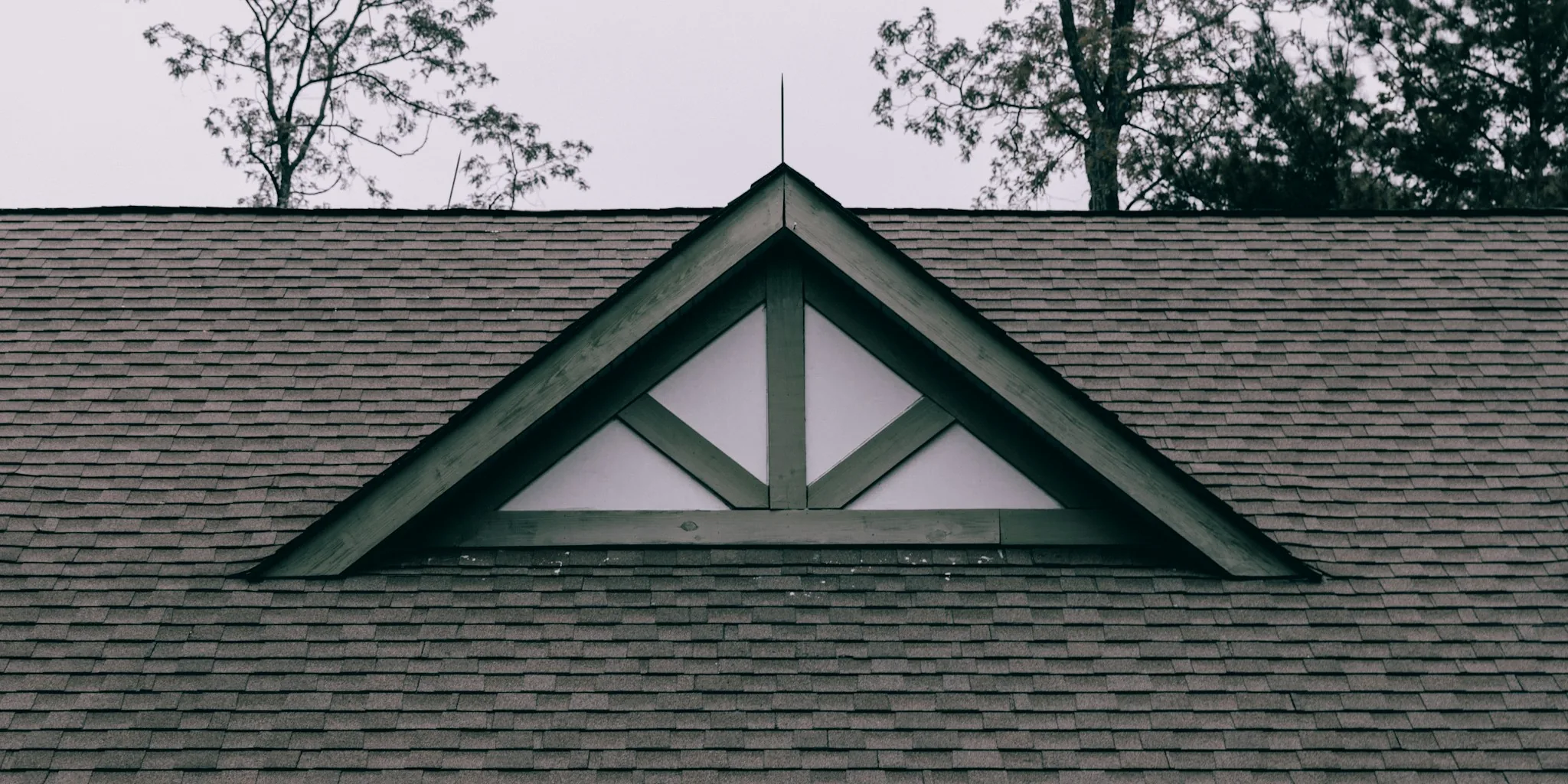
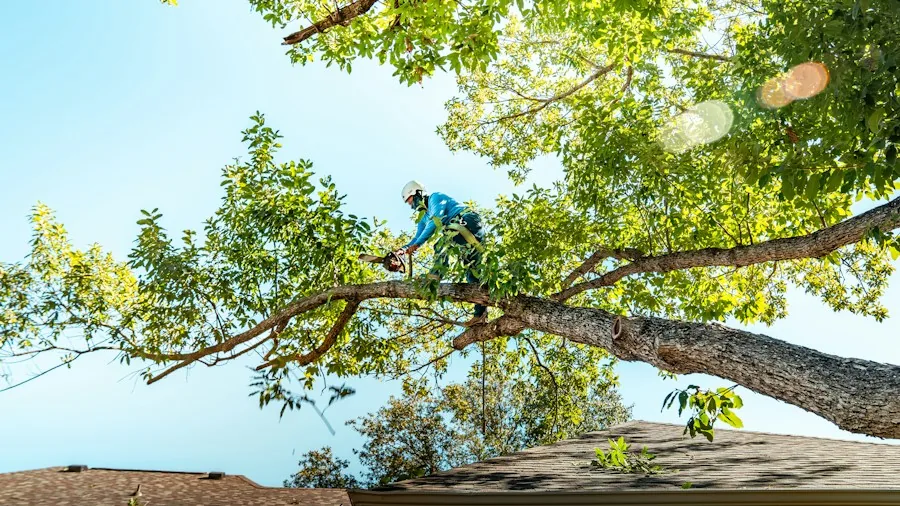
Frost and ice place significant stress on roof structures. Weak or damaged tree limbs can snap during winter storms and fall directly onto your roof, creating holes and breaking shingles. Before frost arrives, trim back dead or weak branches hanging over your home. This preventive step protects both your roof and your parked vehicles underneath. Understanding roof structure and overhang design helps homeowners prepare for seasonal stress.
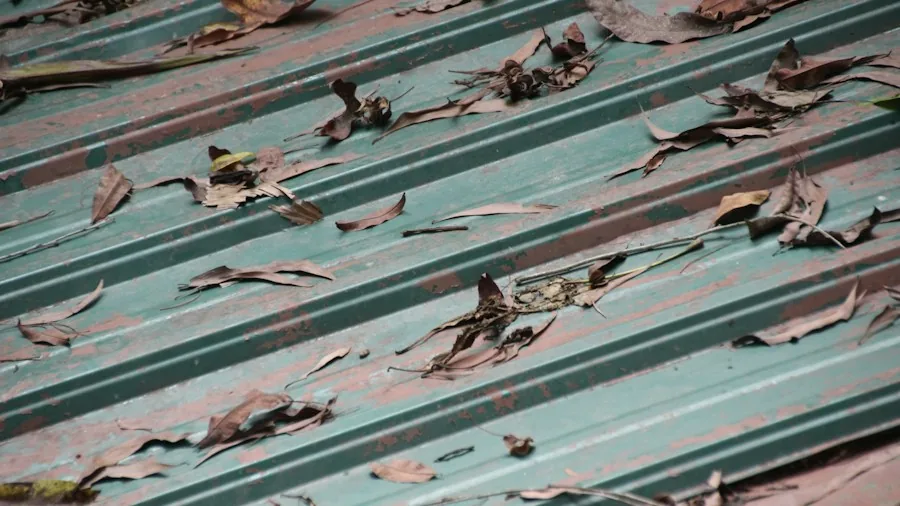
As you trim trees, remove accumulated dead leaves from your roof as well. These organic materials trap moisture against shingles and promote deterioration. Similarly, check your roof’s sealing around penetrations like vents and pipes. Damaged seals allow cold drafts and moisture inside, worsening any existing problems. Caulk any visible gaps and replace deteriorated weather stripping to maintain your roof’s weather resistance.
Addressing Structural and Drainage Concerns
Your roof’s ability to shed water depends on proper slope and unobstructed drainage pathways. Ice dams form when poor drainage allows water to back up under shingles, freezing solid and creating leaks. Improve water drainage by ensuring downspouts are clear and extended properly away from your foundation. Examine your attic’s ventilation to confirm that warm, moist air can escape, which helps prevent ice dam formation.
If your roof has been in place for more than twenty years, consider having a professional evaluate whether replacement is approaching. Aging shingles become brittle in cold weather and are more prone to cracking and wind damage. Planning for roof modifications and additions requires understanding current roof conditions and limitations.
When to Call a Professional
Some roof issues require expert assessment. If you notice significant water stains, sagging areas, or extensive missing shingles, hire a qualified roofing professional before winter. Professionals can safely access steep roofs and identify problems not visible from the ground. They also assess whether repairs will suffice or if replacement is necessary.
Don’t wait until the first freeze to address roof concerns. Winterization should include a thorough roof inspection and any needed repairs completed before temperatures drop. This proactive approach protects your home’s structural integrity, maintains proper insulation efficiency, and prevents emergency repairs during harsh winter weather when conditions are dangerous and service costs surge.