
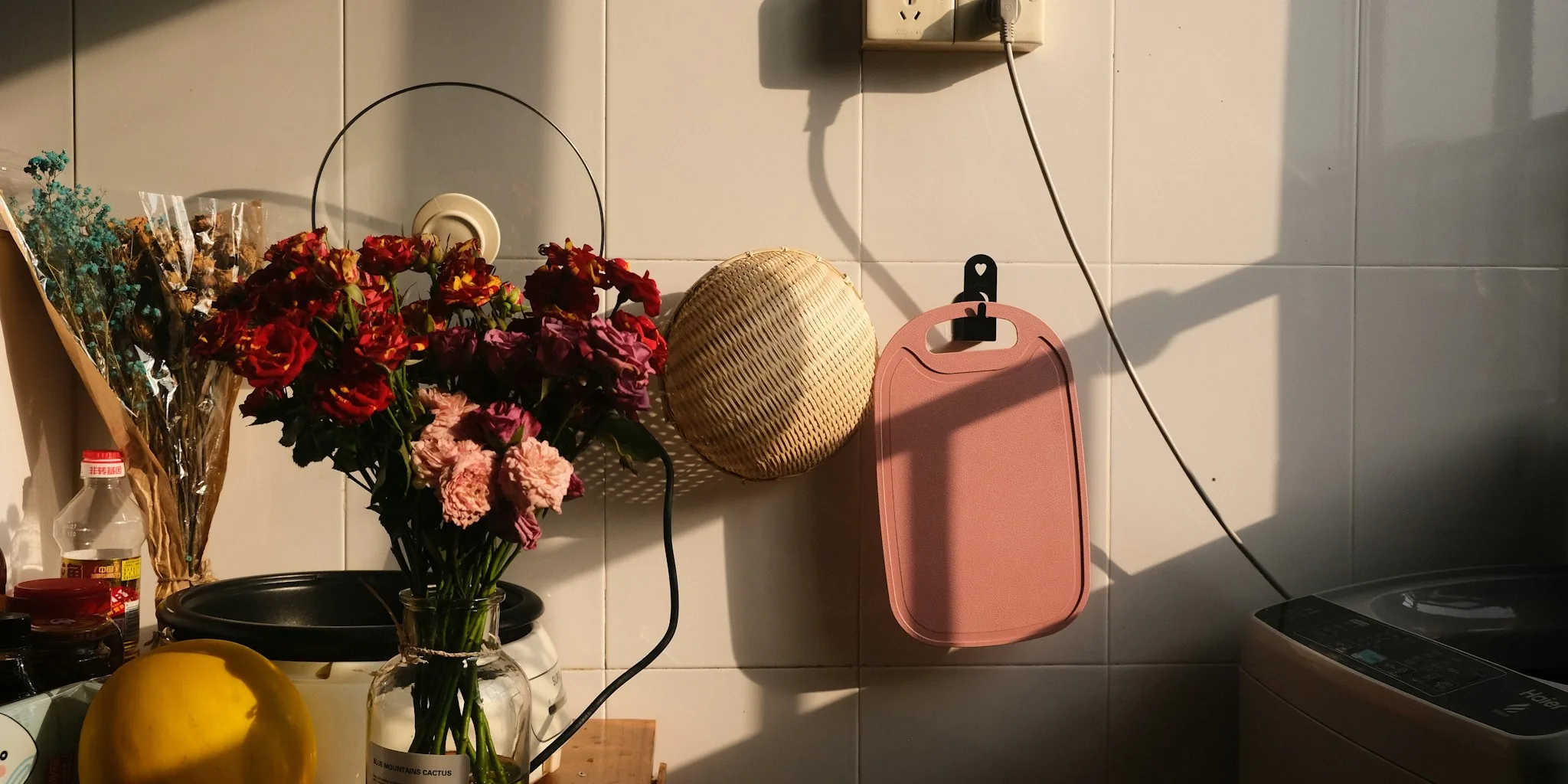

A nostalgic movement is sweeping through home design, and it centers on a simple idea: creating a designated spot for your smartphone that keeps it out of reach and out of sight. Wall mounted phone holders, inspired by the landline phones that once dominated kitchen countertops and hallways, are gaining traction as consumers seek ways to reduce screen time and add functional decor to their spaces.
Why the Landline Phone Aesthetic is Making a Comeback
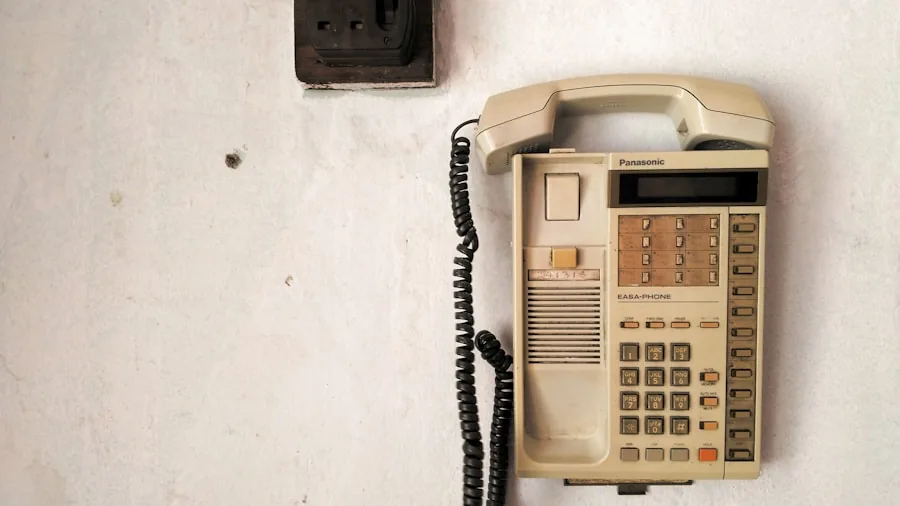
Before smartphones became ubiquitous, families gathered around wall mounted landline phones in their kitchens and entryways. These practical devices served as communication hubs where someone would need to be physically present to answer a call. The simplicity and intentionality of that era stands in stark contrast to today’s always connected culture, where phones follow us everywhere and demand constant attention.
The resurgence of wall mounted phone holders taps into a broader desire among shoppers to reclaim control over their digital habits. Whether you’re concerned about excessive scrolling, distracted eating, or simply want to create phone free zones in your home, these ceramic and fabric holders offer a decorative solution that makes sense. Kitchen renovation trends show homeowners increasingly prioritize intentional design choices that reduce clutter and mental load, and a dedicated phone station fits perfectly into that philosophy.
How Modern Phone Pockets Work
Today’s versions come in two main styles. The most popular option is a ceramic or pottery pocket that mounts directly to your wall with simple hardware. These typically feature a main slot sized to hold an iPhone, with the opening designed so only a sliver of your screen remains visible. That limited view lets you check the time or battery percentage without tempting you to browse endlessly.
The practical design includes a charging port hole at the bottom, so you can plug in your charger cable while your phone stays securely parked in its holder. Some models are handcrafted and designed to accommodate all iPhone sizes, though this requires mounting directly to drywall or plaster.
The second option appeals to renters and those hesitant about wall installation. Fabric phone pockets made from quilted cotton or other textiles can hang from a hook or nail without any drilling required. Design experts often recommend flexible solutions for kitchens with unusual layouts, and these removable options work well in spaces where permanent fixtures aren’t possible. Many come with adhesive backing for damage free hanging.
What Shoppers Should Expect to Pay
Handmade ceramic phone holders typically range from $40 to $60 each, with prices varying based on customization, glaze patterns, and whether they’re made to order. Each piece is unique since they’re often created by artisans working in small batches.
More affordable fabric and plastic options can be found for $15 to $30, making them accessible entry points for testing the trend without significant investment. Budget friendly 3D printed holders and quilted cotton pockets offer practical functionality at lower price points.
Beyond the Kitchen: Where These Holders Make Sense
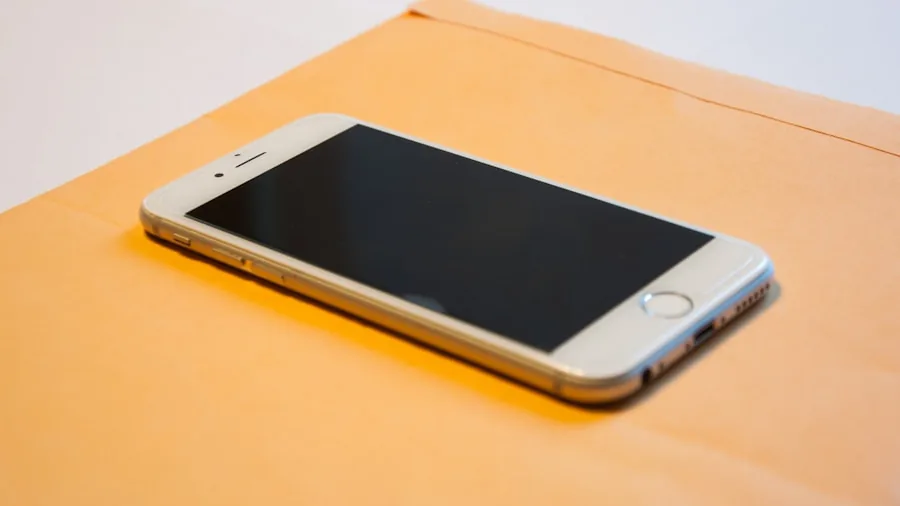
While the landline phone connection points to kitchens, modern phone pockets work well in bedrooms, bathrooms, home offices, and living rooms. The consistent benefit remains the same: creating a physical barrier between you and your device. Some households use multiple holders throughout the home, establishing phone free spaces in different areas.
Functional design trends that improve daily life continue to evolve, and phone management tools fit squarely within that category. Unlike purely decorative items, these holders serve a genuine purpose while looking intentional on your wall.
What to Consider Before Buying
Measure your phone dimensions carefully if you’re purchasing a ceramic holder, as some vintage inspired designs feature narrower openings than modern smartphones require. Check whether the holder includes necessary hardware for your wall type (drywall anchors, for example, versus traditional nails).
Consider the color and material carefully. Ceramic and pottery holders make strong design statements and work well with farmhouse, minimalist, or eclectic decor. Fabric options offer more subtle integration into casual spaces.
Finally, be realistic about your actual usage. A phone holder only helps reduce screen time if you commit to using it consistently. Placing it in a highly visible, inconvenient location increases the likelihood you’ll actually use it rather than keeping your phone in your pocket.





Write Your Review
No reviews yet. Be the first to share your experience!