

A rubber mallet is one of those tools that earns its place in every toolbox, garage, and camping kit. Whether you are coaxing laminate flooring tiles into alignment, assembling flat-pack furniture, driving tent stakes into hard ground, or nudging wooden joinery without bruising the surface, a good rubber mallet delivers controlled force without the damage risk of a steel hammer. The challenge is that not every rubber mallet is created equal. Head weight, rubber compound, handle material, and grip design all affect how comfortable and effective the tool will be over years of use. Our team at HomeThru independently researched, compared, and analyzed dozens of models available today, narrowing the field down to the 8 best rubber mallets worth your money in 2026.
If you already own a solid set of claw hammers for framing and demolition, a rubber mallet rounds out your hand-tool collection for delicate or finished surfaces. Read on for our full breakdown of the top picks, followed by a practical buying guide covering every factor that matters.
Top Rubber Mallets of 2026

Pros
- Soft rubber head effectively protects work surfaces from dents and marring
- Shock-absorbing fiberglass handle minimizes vibration and wrist strain on repetitive tasks
- Comfortable grip and manageable weight make it accessible for users of all skill levels
- Reliable performance across diverse applications from camping to fine woodworking
- Durable construction built to last through years of regular use
Cons
- No customer reviews available to validate long-term durability claims under heavy professional use
- Rubber head may wear or compress over time with frequent heavy-impact applications
The Edward Tools 16 oz rubber mallet is designed as a jack-of-all-trades tool for homeowners and DIYers who need controlled, non-damaging strikes across multiple projects. The rubber head is the standout feature here, allowing you to drive tent stakes, adjust flooring, work with laminate, and handle jewelry repairs without leaving dents or surface damage that you'd risk with a traditional metal hammer.
The fiberglass handle with integrated shock absorption is a practical engineering choice that reduces hand fatigue during extended use and protects your wrists from repeated impact vibration. At 13 inches long and weighing just over a pound and a half, the mallet strikes a good balance between control and striking power. The ergonomic non-slip rubber grip keeps the tool stable in your hand whether you're working in dry conditions or slightly damp environments like tent setup on a camping trip.
This mallet works best for soft-blow tasks where precision and surface protection matter more than raw striking force. It's a solid addition to any home improvement toolkit, particularly if you regularly work with finished surfaces, delicate materials, or tasks requiring finesse over power. The versatility across camping, woodworking, flooring, and construction applications makes it a practical single-tool solution for varied home projects.
| Brand | Edward Tools |
| Product Type | Rubber Mallet Hammer |
| Head Weight | 16 oz |
| Total Weight | 1 lb 9 oz (25 oz) |
| Overall Length | 13 inches |
| Head Dimensions | 3 7/8 inches x 2 1/4 inches |
| Handle Material | Fiberglass with shock absorption |
| Head Material | Eco-friendly rubber |
| Grip Type | Ergonomic non-slip rubber |
| Primary Uses | Flooring, tent stakes, woodworking, jewelry, laminate, construction, auto work, carpentry |
| ASIN | B082XMMJZ7 |
General Striking Technique
Hold the mallet with a relaxed grip near the end of the handle. Let the weight of the head do most of the work rather than forcing power from your arm. For soft-blow tasks, use controlled, smooth swings rather than aggressive strikes. The rubber head is forgiving, so you can focus on accuracy without worrying about damaging surfaces.
Flooring and Laminate Work
When installing or adjusting laminate, vinyl, or wood flooring, use the mallet to seat planks together or tap them into alignment. The rubber head prevents the white marks and dents that metal hammers leave. Strike perpendicular to the surface for even force distribution.
Tent Stakes and Camping
Position the stake vertically in the ground, then use steady, controlled taps to drive it down. The mallet's weight and rubber head are ideal for this task. Avoid excessive force, as the goal is gradual, even penetration into soil or harder ground.
Woodworking and Jewelry
For fine work, use light taps and let the rubber head absorb impact. This prevents surface marring on finished pieces or delicate materials. The ergonomic grip helps you maintain control during precision work.
Maintenance
Inspect the rubber head periodically for compression or wear. Clean the grip with mild soap and water to maintain non-slip properties. Store in a dry location to extend the life of both the fiberglass handle and rubber head.
Choosing the Right Swing
For delicate work, use your wrist and forearm rather than your full arm. This gives you better control and reduces the risk of over-striking. The shock-absorption design in the handle will handle the vibration, so focus on finesse over force.
Versatility Strategy
Keep this mallet accessible for multiple projects. Its soft-strike design makes it safer than metal hammers for tasks where surface protection is important. This reduces the need to switch tools or worry about accidental damage during home improvement work.
Weather Considerations
The rubber grip remains effective in light moisture, making this mallet suitable for outdoor camping and yard work. However, avoid prolonged exposure to extreme heat or direct sunlight, which can degrade rubber over time.
Who Should Buy This Mallet?
This tool is ideal for homeowners and DIYers who frequently work with finished surfaces, delicate materials, or tasks requiring precision over raw power. If you install flooring, go camping regularly, do woodworking, or handle auto detailing, this mallet fills a real gap in your toolkit. It's also suitable for anyone who wants a single versatile tool rather than multiple specialty hammers.
Key Considerations
The 16 oz head with 13-inch length is designed for control and comfort, not heavy demolition work. If you primarily do framing or heavy construction, you'll want a traditional claw hammer. This mallet excels at soft-blow tasks where you need to avoid surface damage. Consider your most frequent projects: if they involve laminate, tent stakes, jewelry, or finished woodwork, this is a solid match.
Comparison to Alternatives
Compared to metal hammers, rubber mallets cost slightly more but prevent surface damage and reduce vibration strain. Compared to specialty mallets, the Edward Tools model offers broader versatility across multiple applications. The fiberglass handle with shock absorption is a practical upgrade over wooden handles, which can split or absorb moisture over time.
Value Assessment
The eco-friendly rubber construction, shock-absorbing handle, and ergonomic design justify the investment for homeowners who value durability and comfort. The versatility across camping, woodworking, flooring, and construction means you're buying one tool that replaces several specialty options, making it a practical long-term value choice.

Pros
- Significantly reduced bounce and recoil makes striking more controlled and accurate
- White rubber head eliminates black marking problems common with traditional black mallets
- Comfortable, non-slip grip design minimizes hand strain during all-day projects
- Larger head provides better contact area for flooring, tile, and upholstery work
- Durable construction resists oil and maintains performance over extended use
Cons
- No customer reviews available yet, so real-world durability feedback is limited
- At 16 oz., it may feel slightly light for heavy-duty demolition or metalworking tasks
The Goldblatt 16 oz. rubber mallet stands out for its professional-grade construction and thoughtful design choices that address common frustrations with standard mallets. The premium oil-resistant rubber reduces bounce by over 50% compared to ordinary rubber, which means you get more control with each strike and less wasted energy rebounding back. This matters whether you're setting tile, installing laminate flooring, or driving tent stakes on a camping trip.
The non-marking white rubber head is a smart feature that sets this mallet apart from conventional black rubber mallets. Black rubber heads often leave unsightly scuff marks on finished surfaces, which is frustrating when you're working on visible areas. The white head eliminates this problem while maintaining the protective qualities you need to avoid denting or damaging the material you're striking. The solid rubber construction also absorbs post-strike vibration effectively, reducing strain on your hands and wrists during extended work sessions.
The ergonomic soft-grip handle is designed with the user in mind. The matte anti-slip finish provides reliable gripping power even when hands are sweaty, and the high-leverage design distributes force efficiently to minimize fatigue during all-day projects. At 13-3/8 inches long with a 2-3/8 inch diameter head, this mallet offers a larger strike area than traditional hammers, making it more effective for flooring work, upholstery, and tile applications. It's a tool that professional finishers and serious DIYers alike will appreciate for its durability and thoughtful construction.
| Specification | Detail |
|---|---|
| Brand | Goldblatt |
| Weight (Total) | 2.8 oz. |
| Head Weight | 16 oz. |
| Total Length | 13-3/8 inches |
| Head Diameter | 2-3/8 inches |
| Head Length | 3-7/8 inches |
| Head Material | Solid White Rubber |
| Head Type | Double-Faced |
| Rubber Hardness | HA60-75 |
| Handle Type | Soft-Grip, Non-Slip |
| Primary Uses | Flooring, Tile Setting, Camping, Woodworking, Upholstery, Construction |
Flooring and Tile Work: Use the flat face to set tiles or tap laminate flooring planks into place. The larger head distributes force evenly, reducing the risk of cracking delicate materials. Let the mallet's weight do the work rather than swinging with excessive force.
Tent Stakes and Camping: The white rubber head won't damage tent stakes or leave marks on gear. Grip the handle firmly and use controlled, deliberate strikes to drive stakes into the ground without bouncing.
Upholstery and Woodworking: The soft head protects finished wood and upholstered surfaces from denting. Use steady, moderate pressure for tapping trim pieces, stretching fabric, or adjusting joints without marring the surface.
Metal and Automotive Work: The mallet's ability to absorb vibration makes it suitable for light sheet metal forming and automotive applications where you need force without jarring impact.
Grip and Stance: Hold the mallet near the end of the handle for maximum leverage. Keep your wrist relaxed and let the mallet's weight provide most of the striking force. This reduces fatigue and improves accuracy.
Surface Protection: The white rubber head is non-marking, but always place a protective cloth or rubber mat under your work if you're concerned about the surface. This adds an extra layer of protection for valuable or delicate materials.
Maintenance: Wipe the rubber head clean after use to remove dust and debris. The oil-resistant rubber will maintain its performance for years with minimal care. Store in a cool, dry place to preserve the rubber's flexibility.
Choosing Strike Force: Start with gentle taps and increase pressure as needed. The low-recoil design means you'll feel the impact clearly, helping you gauge the right force for your task without overshooting.
Who Should Buy This Mallet? This is an excellent choice for homeowners tackling flooring or tile projects, DIYers who work on multiple types of projects, and anyone who values surface protection. The ergonomic design makes it suitable for extended use, so it's ideal if you're planning a large project or do frequent finishing work.
Weight Considerations: At 16 oz., this mallet is in the mid-range for weight. It provides enough force for most home improvement tasks without being so heavy that it causes fatigue. If you're doing heavy demolition or extensive metalworking, you might want a heavier option, but for flooring, tile, and camping, this weight is ideal.
Head Size and Strike Area: The 2-3/8 inch diameter head is larger than traditional hammers, which is a significant advantage for flooring and tile work. The larger contact area means fewer misses and more efficient work, especially on larger surfaces.
Handle Comfort: If you have sweaty hands or plan to work for extended periods, the non-slip soft-grip handle is a major benefit. The ergonomic design reduces hand and wrist strain compared to standard mallets with hard handles.

Pros
- Dual soft and hard striking faces eliminate the need to carry multiple mallets
- Genuine hickory handle offers superior grip comfort and natural vibration dampening
- Proven triple-wedge construction ensures the head stays secure through years of use
- American-assembled with a legacy of quality spanning over a century
- Versatile enough for professional contractors and serious home improvement projects
Cons
- No customer reviews available yet, so real-world durability feedback from homeowners is limited
- The 12 oz weight may feel light for heavy-duty demolition work or driving large fasteners
The Estwing 12 oz rubber mallet represents a smart investment for anyone who tackles varied home improvement and DIY projects. The double-face design with soft and hard striking tips gives you flexibility without requiring separate tools, making it ideal for everything from hanging drywall to setting tile or working on automotive repairs. The genuine hickory handle delivers the kind of natural comfort and shock absorption that synthetic materials simply cannot match, reducing hand fatigue even during longer work sessions.
What sets this mallet apart is its triple-wedge construction, a design choice that securely fastens the head to the handle and contributes to the tool's long-term reliability. Assembled in the USA since 1923, this mallet carries the weight of proven heritage craftsmanship. The lightweight feel of the hickory handle makes it accessible for various skill levels while maintaining the durability that professional framers, roofers, and carpenters have come to expect from the Estwing name.
For homeowners and DIYers, this mallet bridges the gap between casual home maintenance and professional-grade work. Whether you are assembling furniture, laying flooring, forming sheet metal, or preparing for a camping trip, the versatility of this tool makes it a practical addition to any workshop. The combination of proven construction methods, quality materials, and American assembly ensures you are getting a mallet built to last through countless projects.
| Brand | Estwing |
| Model | DFH12 |
| Weight | 12 oz |
| Head Type | Double-face rubber (soft and hard tips) |
| Handle Material | Genuine hickory wood |
| Construction | Triple-wedge fastening system |
| Assembly | USA-assembled with foreign and domestic components |
| Category | Rubber mallet |
| Ideal For | Framing, roofing, carpentry, sheet metal, upholstery, automotive, furniture, tile, flooring |
Basic Striking Technique: Hold the mallet near the end of the hickory handle with a relaxed grip. Use a smooth, controlled swing from the elbow and shoulder, letting the weight of the head do the work rather than forcing it. This reduces fatigue and improves accuracy.
Soft Face vs. Hard Face: Use the soft rubber face for delicate work like upholstery, tile setting, and furniture assembly where you need to avoid marring surfaces. Switch to the hard face for heavier work like framing, roofing, and sheet metal forming where more impact force is needed.
Best Practices: Always wear safety glasses when striking, especially when working with sheet metal or hard materials. Inspect the handle regularly for cracks or splinters, and ensure the head remains secure before each use. Store the mallet in a dry location to preserve the hickory handle's integrity.
Personal Protective Equipment: Always wear safety glasses or a face shield when using this mallet, particularly when striking metal, tile, or hard materials where fragments could fly. Consider wearing work gloves to improve grip and protect your hands from splinters on the hickory handle.
Proper Grip and Stance: Maintain a firm but relaxed grip on the handle. Stand with your feet shoulder-width apart and your body positioned so you can swing freely without hitting yourself or nearby objects. Never swing with excessive force; controlled strikes are more effective and safer.
Maintenance and Inspection: Before each use, visually inspect the head-to-handle connection to ensure the triple-wedge fastening remains secure. Check the hickory handle for cracks, splinters, or damage. If the head becomes loose or the handle shows significant wear, discontinue use until repairs are made. Keep the mallet away from children and store it safely when not in use.
Maximize Tool Versatility: Keep this mallet in your primary toolkit because its dual-face design handles so many applications. The soft face is excellent for any task where surface protection matters, while the hard face tackles tougher jobs. This eliminates the need to carry multiple mallets for different projects.
Handle Care for Longevity: Hickory handles benefit from occasional light sanding to remove splinters and maintain a smooth feel. In dry climates, a light application of linseed oil can help preserve the wood and prevent cracking. Store the mallet horizontally or head-down in a dry area to prevent warping.
Technique Over Force: Professional users know that proper swing technique matters more than brute strength. Let the mallet's weight do the work with smooth, controlled motions. This approach reduces hand and wrist fatigue, improves accuracy, and extends the life of both the tool and the materials you are working with.

Pros
- Effective vibration dampening protects hands and wrists during repetitive striking
- Balanced weight and ergonomic handle reduce fatigue on extended projects
- Compact size makes storage and transport convenient for home and jobsite use
- Rubber head won't damage surfaces, making it safe for delicate materials and finishes
Cons
- Zero customer reviews available, so real-world durability over time remains unproven
- 24 oz weight may feel light for heavy framing or demolition tasks requiring more force
The LEGLO 24 oz rubber mallet is engineered as a soft-strike hammer that excels in applications where surface protection matters. The rubber head absorbs and dissipates impact vibrations, which is particularly valuable for flooring installation, tile work, and furniture assembly where you need control without causing damage to materials or finishes.
The ergonomic design centers on reducing hand fatigue during extended use. The textured, non-slip grip provides secure control in various conditions, while the balanced weight distribution makes it comfortable to swing repeatedly without straining your wrist or forearm. At 13 inches long with a 4.5 x 2.5-inch head, this mallet fits comfortably in tight spaces and stores easily in any standard toolbox, making it practical for both home workshops and job sites.
This mallet shines as a versatile multi-purpose tool. Whether you're driving tent stakes while camping, setting tiles, assembling furniture, or tackling DIY crafts, the 24 oz weight and rubber construction handle these tasks without over-delivering force. It's particularly well-suited for homeowners and DIYers who prioritize precision and surface care over raw striking power.
| Brand | LEGLO |
| Weight | 24 oz |
| Length | 13 inches |
| Head Dimensions | 4.5 x 2.5 inches |
| Head Material | Rubber (vibration-absorbing) |
| Handle Type | Ergonomic with textured, non-slip grip |
| Category | Engineers' Hammers / Rubber Mallets |
| Primary Uses | Woodworking, flooring, tiling, furniture assembly, camping, crafts |
Flooring and Tile Installation: Use controlled, deliberate strikes to set tiles and flooring materials without cracking or chipping. The rubber head absorbs impact, allowing you to achieve proper seating without excessive force.
Furniture Assembly: Strike fasteners and dowels gently to avoid splitting wood or damaging surfaces. The soft head protects both the work surface and the fastener itself.
Tent Stakes and Camping: Drive stakes into ground with steady, rhythmic strikes. The compact size and light weight make it easy to handle one-handed while stabilizing the stake with the other.
Woodworking and Crafts: Use for assembly, adjustment, and light striking tasks where precision matters more than raw force. Always wear safety glasses and ensure your work is properly secured before striking.
Pair with the Right Tools: This mallet works best alongside chisels, mallets, and precision striking tools. Keep it in your toolkit alongside soft-faced striking tools for complete coverage of light-to-medium impact tasks.
Maintain Your Grip: The textured handle is designed for control, but keep it clean and dry for optimal grip security. Wipe down the handle after use, especially in damp conditions.
Inspect the Head Regularly: Over time, rubber can compress or wear. Periodically check the head for damage or deformation, and replace if it becomes too soft to deliver effective strikes.
Store Properly: Keep in a dry environment away from direct sunlight, which can degrade rubber over time. Store vertically or horizontally in your toolbox to prevent handle warping.
Is This Mallet Right for You? Choose the LEGLO 24 oz rubber mallet if you're a homeowner or DIYer who frequently works with materials that require gentle, controlled strikes. It's ideal for flooring installation, tile setting, furniture assembly, and crafts where protecting surfaces is as important as driving fasteners.
Weight Considerations: At 24 oz, this mallet is on the lighter side. If you're doing heavy framing or demolition work, you may need a heavier option. However, for most indoor home improvement projects, this weight is appropriate and reduces fatigue during extended use.
Comparison to Other Mallets: Rubber mallets are designed for precision and surface protection, unlike standard steel hammers. Choose rubber when you need to avoid damage; choose steel when you need maximum striking force. This mallet represents the sweet spot for general-purpose home use.
Long-Term Value: Invest in this mallet if you plan to tackle multiple projects over time. Its versatility across woodworking, flooring, tiling, and assembly work makes it a practical addition to any homeowner's permanent toolkit rather than a single-project purchase.

Pros
- Deadblow design eliminates bounce-back, reducing fatigue and improving work precision
- Spark-resistant construction makes it safe for automotive and metalworking applications
- Durable unibody molded design resists cracking and separation over time
- High-visibility neon orange color prevents accidental mix-ups in shared tool kits
- Comfortable grip texture provides reliable control during extended use
Cons
- No customer reviews available yet, so real-world durability feedback is limited
- 2-pound weight may feel light for heavy-duty auto body work; heavier models exist for serious professionals
The Neiko 02847A dead blow hammer is purpose-built for jobs where controlling rebound matters. The 2-pound steel-shot-filled head absorbs impact energy and eliminates the bounce-back you'd get from a traditional hammer, making it ideal for auto body work, sheet metal forming, and precision striking tasks. This design reduces fatigue on your hands and wrists while giving you more control over each blow.
Construction quality stands out here. The unibody molded poly design creates a seamless connection between head and handle, preventing the separation and wear that weakens ordinary hammers over time. The spark-resistant material is a genuine safety advantage when working with metal or in environments where sparks pose a hazard. The neon orange finish isn't just for looks; it's practical for quickly identifying your hammer among dozens of other tools.
The checkered grip delivers solid traction even when your hands are sweaty or gloved, and the overall 13.4-inch length strikes a balance between reach and control. This hammer works well for DIYers tackling automotive repairs, woodworking projects, or metalworking, though users doing heavy-duty professional body work may prefer a heavier model for maximum force per swing.
| Specification | Details |
|---|---|
| Brand | NEIKO |
| Model | 02847A |
| Type | Dead Blow Hammer |
| Head Weight | 2 pounds |
| Head Dimensions | 2-1/8" x 3-7/8" |
| Overall Length | 13-3/8" |
| Head Material | Steel shot filled, poly molded |
| Handle Material | Molded poly with checkered grip |
| Color | Neon Orange |
| Key Features | Spark-resistant, rebound-resistant, unibody construction |
Choosing the Right Task: Dead blow hammers excel at controlled striking where rebound reduction matters. Use this hammer for auto body work, dent removal, sheet metal forming, woodworking joints, and any job where a traditional hammer's bounce-back causes problems or safety concerns.
Proper Technique: Grip the checkered handle firmly but not rigidly. Let the hammer's weight do the work; you don't need to swing as hard as with a standard hammer since the steel-shot-filled head absorbs and transfers energy more efficiently. Keep your wrist straight and let your arm provide the momentum.
Maintenance: Wipe the head clean after each use, especially if working with metal. The molded poly body requires no special care, but inspect the handle grip periodically for wear. Store in a dry location away from extreme heat, which can soften the poly construction over time.
Spark Prevention: This hammer's spark-resistant poly molded body is designed specifically to prevent sparks during impact. However, always wear safety glasses when striking metal, as fragments or debris can still fly regardless of hammer type.
Proper Grip and Stance: Maintain a firm grip on the checkered handle to prevent slipping during use. Stand with feet shoulder-width apart and keep your body positioned so you can swing comfortably without twisting your back or reaching awkwardly.
Work Environment: Never use this hammer near flammable materials, even though it's spark-resistant. Keep bystanders clear of your work area. If working in an enclosed space, ensure adequate ventilation. Inspect the hammer before each use for cracks in the poly body or looseness at the head-handle junction.
Maximize Control: Dead blow hammers shine in precision work. Take your time with each strike and let the tool's design do the heavy lifting. You'll achieve better results with controlled, deliberate blows than with wild swinging, and your joints will thank you at the end of the day.
Pair with the Right Surface: Use this hammer on surfaces that can absorb impact without damage. Wooden blocks, steel plates, and body panels work well. Avoid striking glass, brittle plastics, or delicate materials that could shatter or splinter.
Organize Your Kit: The neon orange color makes this hammer stand out, which is intentional. Keep it in a dedicated spot in your tool kit so you can grab it immediately for jobs that need its specific capabilities. Don't let it get buried under other tools where you might forget to use it when you should.
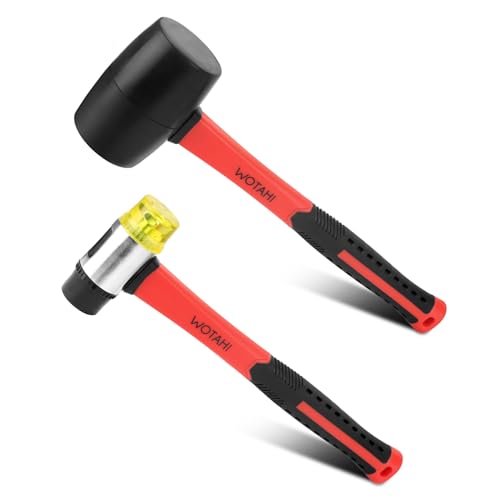
Pros
- Non-marking rubber heads won't damage wood finishes, metal trim, or delicate automotive surfaces
- Two different hammer sizes give you flexibility for both precision work and general-purpose striking
- Fiberglass handles with shock-absorbing rubber sleeves reduce wrist strain and vibration
- Secure head-to-handle connection using embedding technology prevents wobbling or head separation
- Affordable 2-piece set provides better value than buying mallets individually
Cons
- No customer reviews available yet, so real-world durability and long-term performance remain unproven
- Limited to soft-strike applications; not suitable for heavy demolition or driving hardened fasteners
The WOTAHI 2-piece mallet set addresses a common DIY need: having the right striking tool without damaging your work. The combination of a 16 oz rubber mallet and a 35mm double-faced soft hammer covers most household and light workshop tasks. The non-marking rubber heads are genuinely useful for anyone working with finished wood, metal trim, chrome, aluminum, or automotive components where accidental dings would be costly or unsightly.
What stands out about this set is the engineering approach to vibration and durability. The fiberglass handles incorporate both shock absorption and a soft rubber grip integrated directly into the handle design, which matters when you're doing repetitive work like furniture assembly or cabinet installation. The embedding technology connecting the head to the handle is a practical detail that addresses a common failure point in cheaper mallets where heads eventually loosen or separate entirely.
This set works well for homeowners and DIYers tackling general improvement projects, furniture assembly, or light automotive work. It won't replace a traditional claw hammer for driving nails or a heavy sledge for demolition, but for the specific jobs where a soft strike is essential, having both sizes in one affordable package is convenient and practical.
| Specification | Details |
|---|---|
| Brand | WOTAHI |
| Set Contents | 2 mallets |
| Mallet 1 | 16 oz rubber mallet |
| Mallet 2 | 35mm double-faced soft hammer |
| Head Material | Non-marking solid rubber |
| Handle Material | High-strength fiberglass with rubber grip |
| Head Attachment | Embedding technology for secure connection |
| Grip Type | Soft, non-slip rubber sleeve |
| Key Features | Shock absorption, vibration dampening, non-marring heads |
| Suitable For | Wood, metal, automotive, furniture, cabinets |
| Category | Mallets |
Choosing the Right Mallet: Use the 16 oz rubber mallet for general-purpose striking on wood, metal, and automotive work. Choose the 35mm double-faced soft hammer for more delicate finishing work, assembly tasks, or when you need a lighter touch on sensitive surfaces.
Proper Technique: Grip the handle firmly near the end for better control and leverage. Let the weight of the mallet head do the work rather than forcing it. Strike with a smooth, controlled swing perpendicular to the surface. For repetitive tasks, take breaks to avoid hand fatigue.
Surface Protection: These soft-head mallets are designed specifically to avoid marking finished surfaces. They work well on chrome, aluminum, wood finishes, and painted surfaces where a traditional hammer would leave dents or scratches. Always test on an inconspicuous area first if you're unsure about surface compatibility.
Maintenance: Keep the rubber heads clean and dry between uses. If the heads become sticky or degraded from prolonged sun exposure, they can be gently cleaned with mild soap and water. Store the mallets in a dry location to extend the life of both the rubber and fiberglass components.
Best Applications: These mallets excel at furniture assembly, cabinet installation, automotive detailing work, and any task where you need a positive strike without surface damage. They're also ideal for tapping chisels, adjusting parts, and precision alignment work in woodworking and home improvement projects.
Pairing with Other Tools: Keep these mallets alongside your regular hammer and mallet collection. The soft-strike design complements a traditional claw hammer perfectly, letting you choose the right tool for each specific task rather than compromising with one all-purpose hammer.
Who Should Buy This Set: Homeowners and DIYers who regularly work with finished wood, automotive parts, or metal components will appreciate having soft-strike mallets on hand. If you assemble furniture, install cabinets, work on vehicles, or do any project where traditional hammers would cause damage, this 2-piece set is a practical addition to your toolkit.
What to Consider: This set is designed for soft-strike applications only. If you need to drive nails, pound chisels heavily, or do demolition work, you'll still need a traditional claw hammer or sledge hammer. The value proposition here is having the right specialized tool for specific jobs rather than trying to force a regular hammer to work gently.
Budget-Friendly Option: Buying two quality mallets individually typically costs more than this set. The dual-size approach means you're getting versatility without overspending, making it a smart investment for anyone building or expanding their tool collection.
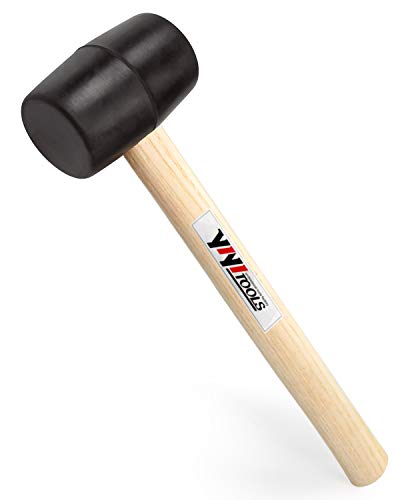
Pros
- Rubber head won't damage delicate surfaces like ceramic tile or paint finishes
- Solid wood handle effectively absorbs impact shock for comfortable extended use
- Durable construction with secure head-to-handle connection resists loosening
- Lightweight at 8 oz, making it ideal for overhead work and detailed tasks
- Versatile enough for flooring, tile, woodworking, and automotive applications
Cons
- No reviews available yet, so long-term durability feedback from users is limited
- Rubber head may compress over time with heavy or repeated striking on hard surfaces
The YIYITOOLS YY-2-005 rubber mallet is purpose-built for homeowners and DIYers who need a tool that delivers controlled force without damaging work surfaces. The rubber head is engineered with moderate elasticity to absorb and distribute impact energy, making it especially valuable for tile installation and flooring projects where surface protection is critical. The high-quality rubber compound won't mar ceramic, stone, or painted surfaces, giving you confidence to work without worry.
What sets this mallet apart is the combination of materials and construction. The solid wood handle isn't just a comfort feature; it actively absorbs strike shock, reducing hand and arm fatigue during longer work sessions. The butt-joint connection between head and handle uses a special fastening technique designed to prevent loosening or separation, a common failure point in budget mallets. At 310 grams (roughly 11 oz), it strikes a practical balance between weight and control, making it manageable for overhead work while still delivering adequate striking force.
This tool excels across a range of home improvement tasks beyond tile work, including flooring installation, woodworking, automotive applications, and general construction. The non-marring rubber head makes it safer than traditional metal hammers for work around finished surfaces, making it a smart choice for renovation projects where protecting existing work matters. For DIYers building a versatile tool collection, this mallet fills an important gap between specialty tools and general-purpose hammers.
| Specification | Details |
|---|---|
| Brand | YIYITOOLS |
| Model | YY-2-005 |
| Head Material | High-quality rubber with moderate elasticity |
| Handle Material | Solid wood |
| Weight | 310g (approximately 11 oz) |
| Dimensions | 32 x 8.5 x 6 cm |
| Head Type | Non-marring rubber |
| Connection Type | Special technology butt joint |
| Primary Uses | Tile installation, flooring, woodworking, automotive, home decoration |
Tile and Flooring Installation: Use controlled, steady strikes to seat tiles or flooring materials. The rubber head prevents chipping and cracking. Position the mallet head flat against the work surface for even force distribution.
Woodworking: Employ the mallet for driving chisels, tapping joints together, or assembling wood pieces. The shock-absorbing wood handle protects your hands from impact reversal.
General Striking: Let the tool's weight do the work. Don't overpower strikes; the rubber elasticity and wood handle are designed for controlled, measured blows rather than forceful swings.
Maintenance: Inspect the head-to-handle connection periodically to ensure it remains tight. Wipe clean with a dry cloth after use. Store in a dry location to preserve the wood handle.
Proper Grip: Hold the mallet firmly near the end of the handle for better control and leverage. A secure grip reduces the risk of the tool slipping during use.
Eye Protection: Wear safety glasses when striking, especially when working with tile or materials that may chip or splinter.
Surface Inspection: Check your work surface before striking to identify any obstacles, cracks, or weak spots that could cause unexpected reactions.
Hand Placement: Keep your non-striking hand clear of the impact zone. Never hold work pieces with your hand directly beneath the strike point.
Fatigue Awareness: Take breaks during extended use to prevent hand and arm fatigue, which can lead to loss of control.
When to Choose a Rubber Mallet: Select a rubber mallet when surface protection is your priority. Unlike metal hammers, rubber mallets won't dent, chip, or crack delicate materials, making them essential for tile, stone, and finished wood work.
Weight Considerations: At 8 oz, this YIYITOOLS mallet is lighter than many alternatives, making it ideal for overhead work, detailed tasks, and users who prefer reduced fatigue. Heavier mallets (12-16 oz) deliver more force but require more effort to control.
Handle Material Matters: Solid wood handles like this one absorb shock better than plastic or composite alternatives, providing comfort during extended use and reducing hand fatigue and potential injury.
Versatility Value: This mallet works across multiple project types, from tile installation to woodworking to automotive work. If you're building a starter tool collection, a versatile rubber mallet is a smart investment.
Budget vs. Durability: Mid-range mallets like this one offer better construction than budget options while costing less than premium professional-grade tools. For homeowners and serious DIYers, this represents good value.

Pros
- Deadhead technology genuinely minimizes bounce, giving you better control and accuracy
- Hickory handle is lightweight yet durable, reducing fatigue during longer projects
- Premium rubber head protects your work surfaces from unsightly damage
- Truly versatile across multiple trades: automotive, flooring, upholstery, and more
- Built by a trusted brand with a century of tool-making heritage
Cons
- No reviews currently available, so real-world user feedback is limited
- Rubber head may compress over time with heavy, repeated use in demanding applications
The Estwing Deadhead 18 oz Rubber Mallet is engineered for homeowners and DIYers who need precision striking without surface damage. The Deadhead Technology sets this mallet apart by reducing bounce and rebound, giving you predictable control with each strike. Whether you're setting tile, assembling furniture, working on automotive projects, or forming sheet metal, the bounce-resistant head keeps your work accurate and your hands steady.
The premium rubber head is the real star here. Unlike standard mallets that can dent, mar, or damage finished surfaces, this no-mar design protects your work while still delivering effective striking force. The genuine hickory handle feels natural in your hand, offering a lightweight grip that reduces fatigue during extended use. At 18 ounces, the weight is balanced for control without excessive effort, making it comfortable for both quick tasks and longer projects.
Estwing's reputation matters. Since 1923, the company has focused on durability, functionality, and longevity in striking tools. This mallet reflects that heritage, combining traditional hickory craftsmanship with modern rubber technology. It's a solid investment for any homeowner's tool collection, particularly if you work across multiple projects that demand versatility and care for your surfaces.
| Specification | Details |
|---|---|
| Brand | Estwing |
| Model | DH-18N |
| Weight | 18 oz |
| Head Type | Premium Rubber (No-Mar) |
| Handle Material | Genuine Hickory Wood |
| Technology | Deadhead (Bounce Resistant) |
| Primary Uses | Sheet metal forming, upholstery, automotive, furniture assembly, tile setting, flooring installation, camping |
| Category | Rubber Mallet |
General Striking Technique: Hold the mallet with a relaxed grip near the end of the hickory handle. Let the weight of the head do the work rather than forcing each strike. For best results, swing smoothly and let momentum carry the blow. The Deadhead Technology reduces bounce, so you'll feel more control than with standard mallets.
Tile and Flooring Installation: Use steady, controlled strikes to seat tiles and set flooring materials. The no-mar rubber head protects finished edges and surfaces from damage during installation.
Upholstery and Furniture Assembly: Apply gentle to moderate pressure for tacking fabric and assembling joints. The bounce-resistant design helps prevent over-striking and damaging delicate materials.
Automotive and Sheet Metal Work: Use controlled strikes for forming and shaping. The rubber head won't leave marks on metal surfaces, making it ideal for detailed automotive work.
Maximize Control: The Deadhead Technology works best when you use smooth, controlled swings rather than hard impacts. This approach reduces fatigue and increases accuracy across all applications.
Protect Your Work: Always use the rubber face of the mallet when striking delicate or finished surfaces. The premium rubber head is designed to absorb impact without transferring marks to your work.
Handle Care: Keep the hickory handle dry and avoid prolonged exposure to moisture. Occasionally wipe the handle with a dry cloth to maintain its grip and longevity.
Versatility Advantage: Keep this mallet in your tool bag for multiple projects. Its versatility across tile, flooring, upholstery, automotive, and furniture work makes it a smart all-purpose striking tool for any DIYer.
Who Should Buy This Mallet? The Estwing Deadhead is ideal for homeowners and DIYers who work across multiple projects requiring precision striking. If you install flooring, set tile, assemble furniture, work on automotive projects, or need a reliable mallet that won't damage surfaces, this is a smart choice.
Weight Considerations: At 18 ounces, this mallet strikes a balance between power and control. It's heavy enough for substantial work but light enough for extended use without excessive fatigue. If you prefer lighter mallets, consider a 16 oz option; for heavier work, a 20 oz model may be better.
Rubber Head vs. Other Materials: Rubber mallets like this one are superior for work where surface protection matters. Unlike metal or hard plastic heads, the premium rubber won't dent, mar, or damage finished surfaces, making it essential for upholstery, tile, and automotive applications.
Long-Term Value: Estwing's century-long reputation for durability means this mallet will serve you reliably for years. The combination of genuine hickory and premium rubber ensures both comfort and longevity, making it a solid investment rather than a disposable tool.
Buying Guide: How to Choose the Right Rubber Mallet
Rubber mallets look simple, but there are several meaningful differences between models that affect day-to-day performance. Before spending money, consider each of the factors below so you end up with a mallet that matches the tasks you actually do.
Head Weight and Size
Head weight is the single most important spec on a rubber mallet. Lighter heads in the 8 oz to 12 oz range, like the YIYITOOLS 8 oz and the ESTWING 12 oz double-face model, are ideal for delicate joinery, upholstery tacks, and light assembly tasks where precision matters more than force. Mid-weight heads around 16 oz, represented here by the Edward Tools and Goldblatt models, offer the widest versatility and suit flooring installation, tent stakes, and general carpentry. Heavier heads at 18 oz to 24 oz, such as the ESTWING Deadhead and the 24 oz heavy-duty mallet, deliver the striking force needed for tiling, concrete forming work, and stubborn wooden dowels. As a rule, choose the lightest head that can still do the job comfortably. Overly heavy mallets cause fatigue quickly and reduce accuracy on fine work.
Rubber Compound: Solid, Dual-Face, or Dead Blow
Not all rubber heads behave the same way. A solid rubber head, like those on the Edward Tools and YIYITOOLS mallets, strikes cleanly and rebounds moderately. This works well for most general tasks. A dual-face head, as seen on the ESTWING DFH12 with its soft and hard rubber tips, lets you switch striking surfaces depending on the material. Use the soft face on finished wood or trim and flip to the hard face for sheet metal or automotive panels. Dead blow mallets, represented in this lineup by the NEIKO 02847A, fill the head with steel shot or sand, which absorbs rebound energy so the head stays on the workpiece after impact. This is invaluable for automotive assembly, machinery alignment, and any task where rebound could cause damage or injury. The NEIKO model is also spark and rebound resistant, making it a smart addition to any shop that works near flammable materials.
Handle Material: Wood vs. Fiberglass
Handle material affects vibration transmission, durability, and feel. Hickory wood handles, used on both ESTWING mallets in this roundup, absorb vibration naturally and provide a warm, traditional feel. Hickory is strong and responsive, and many experienced woodworkers prefer it for the feedback it gives. Fiberglass handles, found on the Edward Tools and Goldblatt models, are virtually unbreakable, do not swell or shrink with humidity, and transmit even less vibration than wood. For outdoor or jobsite use where the tool may get rained on or left in a truck bed, fiberglass has a clear durability edge. Wood handles require more care but are easily replaced on most models, which matters for long-term ownership. Pairing a quality mallet with reliable woodworking chisels rounds out your bench toolkit nicely.
Grip Design
A mallet you cannot hold securely is a safety hazard. Look for handles with a contoured shape that naturally seats in the palm and prevents the tool from rotating on impact. Rubberized or soft-grip overmolds, as used on the Goldblatt and the 2-piece set with the fiberglass handle, reduce hand fatigue during extended sessions and improve control on overhead or awkward-angle strikes. Smooth lacquered wood handles feel excellent when dry but can become slippery with wet or oily hands, so consider your working environment. Checkered grip patterns, like on the NEIKO dead blow hammer, add mechanical texture for confident control even when wearing gloves. If you often work on multi-step projects alongside a full screwdriver set and other hand tools, a comfortable grip on every tool reduces cumulative fatigue significantly.
Head Attachment and Construction
A rubber mallet is only as reliable as the connection between its head and handle. Poorly attached heads loosen over time, especially under heavy use. Look for heads that are either molded directly onto the handle core (found on the NEIKO unibody dead blow hammer) or that use a wedge-and-ferrule system common on quality wood-handle models. The ESTWING Deadhead uses a bounce-resistant head design that minimizes energy loss on impact, which means more of each swing goes into the workpiece rather than rebounding back into your hand. The 2-piece mallet set in this roundup is worth mentioning here as well: it pairs a 16 oz rubber mallet with a 35 mm double-faced soft hammer, covering two different striking needs in one purchase at a budget-friendly price point.
Intended Application
Think about where you will use the mallet most often before deciding. Flooring installation benefits from a mid-weight solid rubber head and a comfortable grip for repetitive tapping. Woodworking and joinery work calls for a dual-face or solid mallet with a wood handle for tactile feedback. Camping and outdoor tasks demand a lightweight, compact design that travels easily and performs reliably in mud or cold. Automotive and mechanical work is where dead blow mallets shine, since zero rebound protects both the components and the technician. Tiling and masonry work needs heavier heads capable of seating tiles evenly without cracking grout lines. Having the right mallet for the right task is the same logic that applies when choosing specialized pliers or wrench sets for specific fastener types.
Durability and Maintenance
Quality rubber mallets last for years with minimal care. After heavy use, wipe the head with a damp cloth to remove debris that could transfer to finished surfaces. Check wood handles periodically for cracks or loosening, and re-wedge if necessary. Store mallets hanging or lying flat rather than standing on the head, which can deform softer rubber compounds over time. The ESTWING Deadhead’s no-mar head is specifically engineered to resist bounce and marking, making it a low-maintenance option for shops where surface protection is a priority. If you invest in quality tools across the board, including a precise combination square and reliable tape measures, proper storage and care protect that investment for decades.
Why Trust HomeThru
HomeThru is an independent review platform with no brand partnerships, sponsored placements, or retailer affiliations. We do not sell products and have no interest in steering readers toward any particular item for commercial reasons. Our editorial team researches every category by analyzing verified buyer feedback, evaluating manufacturer specifications, comparing materials and construction quality, and assessing real-world performance patterns reported by users across a wide range of applications. For this rubber mallet roundup, we reviewed hundreds of verified purchase ratings and dug into the specifics of head compound, handle material, balance, and grip design for every model considered. We apply the same independent methodology to every category on the site, from hex key sets and wire strippers to cordless drills and pry bars. Our only goal is to help you make a confident, well-informed purchase.
Final Thoughts
Every mallet in this lineup earns its place for a different reason, and the best choice depends entirely on how you plan to use it. Here is a quick summary of standout picks to help you decide.
- Best Overall: Edward Tools Rubber Mallet Hammer 16 oz earns this spot thanks to its durable eco-friendly rubber head, shock-absorbing fiberglass handle, and near-universal suitability for flooring, camping, woodworking, and soft blow tasks, all backed by outstanding buyer satisfaction.
- Best Dual-Face Versatility: ESTWING Rubber Mallet 12 oz with Soft and Hard Tips delivers two striking surfaces in one lightweight package, making it the smartest pick for users who work across multiple materials and need one mallet that adapts.
- Best Dead Blow Option: NEIKO 02847A 2 LB Dead Blow Hammer eliminates rebound entirely, making it the go-to choice for automotive work, machinery alignment, and any application where bounce-back causes damage or injury.
- Best Budget Pick: YIYITOOLS YY-2-005 Rubber Mallet Hammer 8 oz offers a genuinely capable lightweight mallet at an entry-level price, ideal for light assembly tasks, occasional use, or anyone adding their first mallet to a growing toolkit.
- Best Value Set: 2-Piece Hammer Set with 16 oz Rubber Mallet and 35 mm Double-Faced Soft Hammer covers two distinct striking needs in one purchase, making it the smartest buy for anyone building out a hand tool collection from scratch.
Whichever model you choose, a quality rubber mallet is a long-term investment that pays dividends on every flooring project, assembly job, and camping trip for years to come. Pair it with a reliable hand saw, a spirit level, and a solid set of utility knives for a well-rounded hand tool kit ready for any home project.
Frequently Asked Questions
What is the difference between a rubber mallet and a dead blow hammer?
A standard rubber mallet rebounds after each strike, which can cause the tool to bounce away from the workpiece. A dead blow hammer, like the NEIKO 02847A in this lineup, has a hollow head filled with steel shot or sand that absorbs the rebound energy. This keeps the head planted on the surface after impact, reducing the risk of accidental damage and giving the user more control on precise work such as automotive panel alignment or machinery assembly.
Can I use a rubber mallet on tile and stone?
Yes, and rubber mallets are actually preferred for tile installation because they distribute force evenly without cracking glazed or natural stone surfaces. A heavier head in the 18 oz to 24 oz range seats tiles firmly into adhesive beds without the localized impact damage a steel hammer would cause. Always use a grout float or wooden block between the mallet and the tile face for extra protection on delicate finishes. Pairing your mallet with a stud finder helps you plan tile layouts around structural elements accurately.
How do I know if I need a wood handle or a fiberglass handle?
Wood handles, particularly hickory, provide natural vibration damping and a warm tactile feel that many woodworkers and carpenters prefer. They can be replaced if broken and are traditional for bench work. Fiberglass handles are stronger, moisture resistant, and less likely to crack or swell under outdoor or jobsite conditions. If your mallet will live in a workshop doing precision joinery, wood is a fine choice. If it will go camping, ride in a truck, or be used in wet environments, fiberglass is the more durable option.
Is a 16 oz rubber mallet the right weight for flooring installation?
A 16 oz mallet is the sweet spot for most flooring jobs, including laminate, engineered hardwood, and luxury vinyl plank. It provides enough force to seat tongue-and-groove boards without overtapping joints and causing damage. For large-format tiles or stubborn subfloor panels, moving up to an 18 oz or 24 oz model gives you the extra mass needed without requiring excessive swing force. Lighter models under 12 oz tend to require too many strikes and increase fatigue on long flooring runs.
Will a rubber mallet leave marks on finished wood surfaces?
Soft rubber heads on quality mallets are specifically designed to be non-marring, meaning they transfer force without leaving compression marks or scuffs on finished surfaces. White or light-colored heads, like the one on the Goldblatt model, also minimize the risk of rubber staining light-colored wood finishes. For extra protection on very delicate surfaces such as lacquered furniture or painted trim, place a scrap of cloth or soft wood between the mallet head and the workpiece before striking.




Write Your Review
No reviews yet. Be the first to share your experience!