

Whether you are stripping decades-old paint from wood trim, lifting stubborn adhesive off tile, or scraping dried caulk from a window frame, having the right scraper in your hand makes every difference between a frustrating afternoon and a job done cleanly. The market is flooded with cheap, flex-prone options that chip edges and leave gouges behind, which is exactly why the list below focuses on tools that hold their edge, fit the hand comfortably, and earn strong marks from the thousands of homeowners who rely on them for real projects. Our editorial team researched and evaluated dozens of models, comparing blade material, handle ergonomics, versatility, and overall value to bring you the most useful paint scrapers available right now. If you are outfitting a complete hand tool kit, you will also find our guides to utility knives and chisels sets worth reading alongside this one.
Top Paint Scrapers We Recommend
Pros
- Versatile multi-tool design covers most common scraping and patching tasks in one tool
- Rust-resistant steel blade maintains durability and performance over time
- Ergonomic soft grip reduces hand strain during extended use on larger projects
- Affordable option that eliminates the need to purchase multiple individual tools
- Works effectively on diverse materials including paint, putty, vinyl, and plaster
Cons
- No detailed specifications provided regarding blade thickness, handle material composition, or exact dimensions
- Limited information on blade sharpness retention and whether resharpening is possible over time
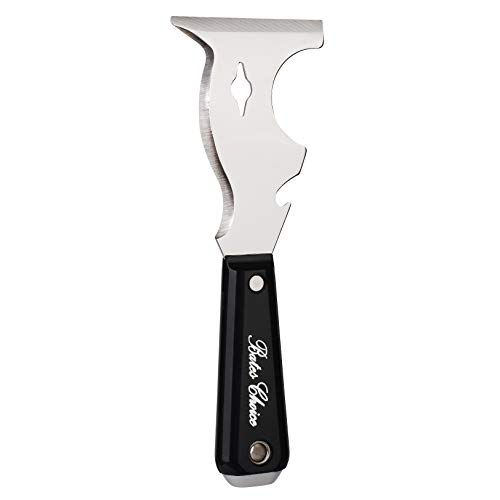
The Bates 10-in-1 paint scraper is a practical multi-purpose tool designed for homeowners and DIYers who need a single solution for various scraping and patching tasks. The rust-resistant steel blade handles everything from removing old paint and loose putty to stripping vinyl wall coverings and applying joint compound, making it a genuine all-in-one option that reduces the need to buy and store multiple specialized tools.
The soft grip handle is one of the standout features for anyone planning to spend extended time on home improvement projects. During extended use on tasks like window puttying or drywall patching, the ergonomic design noticeably reduces hand fatigue compared to tools with hard plastic or bare metal handles. This comfort factor matters when you're working on walls, trim, or detailed patching work that requires sustained control and precision.
For the price point, this scraper delivers solid value for DIYers tackling typical home maintenance and renovation tasks. The rust-resistant blade ensures longevity even when working in damp conditions or storing the tool in a garage or basement. While the tool excels at general-purpose scraping and patching work, homeowners with highly specialized needs or professional contractors may want to evaluate whether a dedicated single-purpose tool would better suit their specific applications.
| Feature | Details |
|---|---|
| Brand | Bates Choice |
| Product Type | Multi-Purpose Paint Scraper Tool |
| Functions | 10-in-1 (scraping, putty work, patching, wall covering removal, compound application) |
| Blade Material | Rust-Resistant Steel |
| Handle Material | Wood with Soft Grip |
| Blade Length | 10 inches |
| Applications | Paint removal, window puttying, joint compound application, vinyl/paper wall covering removal, plaster patching, crack and dent repair |
| Package Contents | 1 x 10-in-1 Paint Scraper Tool |
| Best For | Home improvement projects, DIY repairs, general maintenance |
Paint Removal: Hold the scraper at a 30-45 degree angle to the surface. Apply steady, controlled pressure and work in the direction of the wood grain or along wall seams. Let the blade do the work rather than forcing it, which prevents gouging.
Window Puttying: Use the blade to apply putty compound around window frames. Hold it flat against the frame and drag smoothly to create an even layer. The 10-inch width covers substantial area efficiently.
Drywall Patching: Apply joint compound with smooth, overlapping strokes. Feather the edges outward to blend with surrounding wall surface. Multiple thin coats work better than one thick application.
Vinyl and Wallpaper Removal: Work the blade under edges and corners first, then slide it along the surface to lift material gradually. Patience prevents wall damage.
Storage Tip: Keep the blade dry and store in a climate-controlled area to maintain rust resistance and handle integrity.
Blade Care: Wipe the blade clean after each use to prevent paint buildup and corrosion. A damp cloth works well for dried compound; let it dry completely before storage.
Grip Comfort: The soft grip is designed for extended use, but wearing work gloves provides extra grip security and protects your hands from sharp blade edges when working overhead.
Material-Specific Technique: Adjust your pressure based on surface type. Use lighter pressure on drywall and plaster to avoid gouging; increase pressure for hardened paint on wood or metal.
Blade Angle Matters: A shallow angle (20-30 degrees) works better for scraping paint; a steeper angle (45-60 degrees) provides better control when applying compound or putty.
Multi-Project Efficiency: Since this tool handles multiple tasks, organize your projects to minimize tool switching and maximize workflow. This approach saves time and reduces the clutter of multiple tools on your work surface.
Who Should Buy This: Homeowners and DIYers managing multiple home improvement projects benefit most from this multi-purpose tool. If you're painting a room, patching drywall, and replacing old wallpaper in the same project, this single tool handles all three tasks efficiently.
When to Consider Alternatives: Professional contractors doing high-volume work, specialty finishers requiring precision tools, or anyone needing very large-format scrapers might benefit from dedicated single-purpose tools. Similarly, if you primarily focus on one specific task (like professional drywall finishing), a specialized tool may offer better performance.
Value Consideration: This tool's main advantage is eliminating the need to buy and store five to ten individual scrapers. For occasional homeowners and DIYers, the multi-purpose design and affordable price point represent solid value. The rust-resistant blade and soft grip ensure the tool will last through multiple projects.
Project Suitability: Ideal for interior painting, drywall repair, window maintenance, wall covering removal, and general home maintenance. Works on wood, drywall, plaster, metal trim, and vinyl surfaces. Not recommended for heavy-duty commercial applications or industrial-grade surface preparation.

Pros
- Carbide blade technology significantly outlasts standard steel blades, saving money on replacements
- Interchangeable blade system allows you to switch between four styles for different materials and angles
- Two-component handle distributes pressure evenly and reduces hand strain during extended use
- Slim scraper head reaches into corners, crevices, and tight spaces without sacrificing power
- Heavy-duty construction tackles stubborn coatings and thick buildup on multiple surface types
Cons
- No reviews currently available to assess real-world durability and long-term performance feedback
- Interchangeable blade system requires purchasing additional blade styles separately for full versatility
The Bahco BAH665 is engineered as a professional-grade scraping tool for homeowners and DIYers who demand durability and performance on demanding surface prep projects. The standout feature is the carbide blade technology, which maintains its edge significantly longer than conventional steel blades. This translates to cleaner scraping results over time and reduced frustration when tackling thick paint, rust, varnish, and adhesive buildup on wood, metal, and concrete surfaces.
The ergonomic two-hand grip is thoughtfully designed for extended comfort and control. Unlike single-handle scrapers that concentrate pressure in one area, this dual-grip system distributes force evenly across both hands, which matters when you're prepping an entire room or working on detailed restoration projects. The wide 2.5-inch blade covers large areas quickly, while the slim scraper head makes it easy to navigate corners, baseboards, and tight spaces without losing power or precision.
Versatility is built into the design through Bahco's interchangeable blade system. The tool accepts four different carbide blade styles, allowing you to adjust your approach based on the material and angle you're working with. Whether you're stripping old flooring, removing window glazing, or prepping walls for new paint, this scraper adapts to the job. For serious DIYers and professionals tackling renovation work, the BAH665 represents a solid investment in a tool that will handle multiple projects without wearing out.
| Specification | Details |
|---|---|
| Brand | Bahco |
| Model | BAH665 |
| Blade Width | 2.5 inches |
| Blade Material | Carbide |
| Blade Longevity | Up to 50 times longer than steel |
| Handle Type | Two-component ergonomic grip |
| Compatible Blade Styles | 4 different carbide blade options |
| Compatible Models | Bahco 650 and 665 |
| Suitable Surfaces | Wood, metal, concrete |
| Applications | Paint removal, rust removal, adhesive removal, varnish stripping, grout removal, gasket removal |
| Design Feature | Slim scraper head for confined spaces |
| Best For | Renovation, restoration, surface preparation, professional and DIY use |
Surface Preparation: Before scraping, assess the surface and material type. For paint removal, the carbide blade works on wood, metal, and concrete. For adhesive removal, ensure the material is stable. Always wear safety glasses and work gloves to protect against flying debris.
Grip and Pressure: Hold the two-hand ergonomic grip with both hands for maximum control and to distribute pressure evenly. Position the blade at a 30-45 degree angle to the surface for most applications. Use steady, controlled strokes rather than aggressive jabbing motions to maintain blade sharpness and prevent damage to the underlying surface.
Technique for Different Materials: On wood, work with the grain when possible to avoid splintering. On metal surfaces, adjust your angle to avoid gouging. For concrete and grout, use more downward pressure. The slim head design allows you to reach corners and edges by angling the tool slightly. Change your blade angle or switch to a different blade style if you encounter stubborn spots or need to work in tighter areas.
Blade Maintenance: The carbide blade will remain sharp through many projects, but if it becomes dull, replace it with a compatible Bahco carbide blade. The tool accepts four different blade styles, so match the blade to your specific task for optimal results.
Personal Protective Equipment: Always wear safety glasses or a face shield to protect your eyes from paint chips, rust flakes, and debris that will fly during scraping. Heavy-duty work gloves protect your hands from sharp blade edges and rough surfaces. Consider wearing a dust mask if you're removing old paint that may contain lead or other hazardous materials.
Blade Safety: The carbide blade is extremely sharp and durable. Keep your hands clear of the blade path and never touch the blade edge with bare fingers. When not in use, store the scraper in a safe location where others won't accidentally contact the blade. If the blade becomes chipped or damaged, replace it immediately rather than continuing to use a compromised blade.
Surface and Structural Safety: Before scraping, inspect the surface to ensure it's stable and won't collapse or splinter unexpectedly. On walls and ceilings, ensure you're working safely from a stable ladder or platform. Be aware of electrical outlets, switches, and fixtures that could be damaged by aggressive scraping. Test a small inconspicuous area first to ensure the scraping method won't harm the underlying surface.
Choose the Right Blade for Your Material: The Bahco BAH665 accepts four different carbide blade styles. Research which blade style works best for your specific material before starting. For example, some blade designs work better on paint while others excel at adhesive removal. Having the correct blade for your task will save time and produce cleaner results.
Maintain Consistent Blade Angle: The angle at which you hold the scraper significantly affects both results and blade longevity. A 30-45 degree angle works for most applications, but adjusting slightly can help you tackle stubborn spots. Steeper angles provide more aggressive scraping, while shallower angles give you more control on delicate surfaces.
Work Systematically: Rather than randomly scraping, work in organized sections. This approach helps you track progress, ensures you don't miss areas, and reduces the chance of over-scraping and damaging the surface beneath. On large projects, work from top to bottom so gravity helps remove loosened material.
Layer Removal Strategy: For surfaces with multiple paint layers or thick buildup, you may need multiple passes. The first pass removes the bulk material, while subsequent passes clean up remaining debris. This methodical approach is easier on both you and the tool, and produces better results than trying to remove everything in one aggressive pass.

Pros
- Six different blade profiles eliminate the need to buy multiple individual scrapers
- Soft-grip handle with offset design minimizes hand strain during detailed work
- Integrated blade file keeps blades sharp, extending tool life significantly
- Organized blade storage case prevents loss and keeps workspace tidy
- Stainless-steel blades resist rust and corrosion for long-term reliability
Cons
- Blade sharpening requires manual effort and technique to maintain optimal edge
- Learning curve to identify which blade profile works best for each specific molding or contour
The ALLWAY CS6 Soft-Grip Contour Scraper Set delivers professional-grade versatility in a compact package. With six stainless-steel blades designed for specific profiles, from narrow concave reveals to round window casings, this set handles nearly every contour scraping scenario a homeowner or contractor encounters. The blades are engineered to reach tight spaces and follow complex molding shapes that standard putty knives cannot access.
The soft-grip offset handle is a standout feature that reduces hand fatigue during extended scraping sessions, making this tool comfortable for both quick touch-ups and full-day projects. The offset design also provides better leverage and control when working on detailed surfaces. The included blade file, conveniently stored in the handle itself, allows you to maintain sharp edges without hunting for separate sharpening tools, which extends the life of each blade considerably.
Organization and convenience round out this set's appeal. The included blade storage case keeps all six blades organized and accessible, preventing damage and loss. The quick-change blade system means you can switch profiles in seconds to match the contour you're working on, making this an efficient choice for multi-room projects or complex paint prep work.
| Specification | Details |
|---|---|
| Brand | ALLWAY |
| Model | CS6 |
| Number of Blades | 6 stainless-steel |
| Blade 1 | Concave and narrow reveals |
| Blade 2 | Small, flat, and concave molding |
| Blade 3 | Medium and large rods |
| Blade 4 | Flat work and large concave moldings |
| Blade 5 | Sharp indented and concave moldings |
| Blade 6 | Round moldings, door and window casings |
| Handle Type | Soft-grip offset |
| Included Accessories | Blade file (stored in handle), blade storage case |
| Material | Stainless-steel blades |
| Category | Putty Knives and Scrapers |
Blade Selection: Start by identifying the contour or molding profile you're working on. Match it to the appropriate blade in your set. Blade 1 handles narrow, concave reveals; Blade 2 works for small flat and concave surfaces; Blade 3 tackles medium to large rods; Blade 4 is ideal for flat work and large concave areas; Blade 5 addresses sharp indents; and Blade 6 follows round moldings and casings.
Blade Installation: Insert your chosen blade into the handle's quick-change system until it clicks securely. Ensure the blade is fully seated before applying pressure to prevent slipping.
Scraping Technique: Hold the handle at a shallow angle (20-30 degrees) to the surface. Use smooth, controlled strokes rather than aggressive scrubbing. Let the blade do the work. For paint removal, scrape in the direction of the grain when possible. For drywall compound, use light pressure to avoid gouging.
Edge Maintenance: When you notice the blade dulling, use the included blade file to sharpen the edge. Store the file in the handle's designated slot for easy access between uses.
Match Blade to Surface: Using the correct blade profile for your specific contour makes the job faster and produces cleaner results. Don't force a blade that doesn't match your molding profile.
Keep Blades Sharp: A sharp blade requires less pressure and reduces the risk of slipping and damaging delicate surfaces. Use the included file regularly, especially when working on multiple projects.
Angle Matters: Maintain a shallow scraping angle for most applications. Too steep an angle can dig into the surface; too shallow may not remove material effectively. Experiment on a test area first.
Work with Moisture: For dried paint, lightly mist the surface with water to soften it slightly, making scraping easier and reducing dust. For drywall compound, let it fully cure before scraping for cleaner removal.
Protect Delicate Surfaces: When scraping near wood trim or delicate finishes, use the narrower blades and lighter pressure to avoid accidental damage.
Who Needs This Set: The ALLWAY CS6 is ideal for homeowners tackling interior painting projects, drywall finishing, or surface prep work. It's equally valuable for contractors and DIYers who work with various molding profiles regularly. If you've struggled with standard putty knives that don't fit curved reveals or complex casings, this set solves that problem.
When to Buy: Consider this set before starting a full interior paint job, especially if your home has varied molding styles, crown molding, or detailed casings. It's also a smart investment for anyone who plans multiple projects over several years.
What to Expect: This is a mid-range tool that delivers professional results without the premium price tag. The soft-grip handle and included blade file add value beyond the basic blade set. Expect these tools to last many years with proper maintenance.
Alternatives to Consider: If you only need to scrape flat surfaces, a standard putty knife may suffice. However, if your project involves any contoured surfaces, moldings, or reveals, the multi-blade approach of the CS6 will save time and frustration compared to buying individual scrapers.

Pros
- Double-sided blade design maximizes value and reduces replacement frequency
- Tungsten carbide construction resists dulling and chipping on tough jobs
- Wide 2.5-inch blade covers more area per stroke, speeding up work
- Reinforced handle accepts hammer strikes for leverage on stubborn adhesive
- Comfortable grip reduces hand strain during prolonged scraping sessions
Cons
- No customer reviews available yet, so long-term durability feedback is limited
- Fiberglass handle may feel heavier than some plastic-handled alternatives
The cosycove Professional Scraper stands out for its generous 2.5-inch tungsten carbide blade, which is substantially wider than typical paint scrapers. The double-sided design means you get twice the working life from a single tool, and the carbide construction holds its edge through demanding jobs on concrete, tile, metal, and wood surfaces without the chipping or dulling that plague cheaper alternatives.
The reinforced fiberglass handle is built for real work. Unlike lightweight plastic-handled scrapers, this tool can take hammer strikes and leverage pressure without breaking, making it suitable for removing stubborn tile adhesive, carpet glue, and industrial coatings. The textured grip and shock-absorbing design reduce hand fatigue, which matters when you're spending hours scraping floors or walls.
For homeowners and DIYers tackling major paint removal, epoxy cleanup, or adhesive removal, this scraper delivers professional-grade performance without the professional price tag. The 10-year warranty reflects the manufacturer's confidence in the build quality, though as a newer product, long-term durability feedback from users is still emerging.
| Specification | Details |
|---|---|
| Blade Width | 2.5 inches |
| Blade Material | Tungsten Carbide |
| Blade Design | Double-Sided (Reversible) |
| Handle Material | Fiberglass-Reinforced Nylon |
| Handle Type | Ergonomic with Textured Grip |
| Shock Absorption | Yes |
| Suitable Surfaces | Concrete, Metal, Wood, Tile, Painted Surfaces |
| Warranty | 10 Years |
| Best For | Paint, Epoxy, Rust, Adhesive, Carpet Glue Removal |
Getting Started: Hold the scraper with both hands for maximum control. Position the blade at a 30-45 degree angle to the surface. For paint and coatings, scrape in smooth, deliberate strokes away from your body.
Tackling Tough Jobs: For stubborn adhesive or epoxy, apply steady downward pressure and let the tungsten carbide do the work. You can tap the handle gently with a hammer to help break up thick buildup, but avoid excessive force. Flip to the other side of the blade when the working edge becomes dull.
Surface Tips: On delicate surfaces, use lighter pressure and shorter strokes. On concrete and tile, you can apply more aggressive pressure. Always wear safety glasses to protect against flying debris, and consider gloves to protect your hands from sharp edges.
Personal Protection: Always wear safety glasses or a face shield when scraping, especially overhead or on vertical surfaces where debris falls downward. Work gloves protect your hands from the sharp blade edges and flying particles. Consider a dust mask if scraping paint that may contain lead or other hazardous materials.
Blade Safety: The tungsten carbide blade is extremely sharp. Keep your fingers clear of the blade edge at all times. Never run your thumb along the blade to check sharpness. When not in use, store the scraper in a safe location where children cannot access it.
Hammer Use: If using a hammer to strike the handle for leverage, use controlled taps rather than full swings. Ensure a firm grip on the scraper before striking. Never swing a hammer at full force, as this can cause the blade to slip and cause injury.
Maximize Blade Life: Flip to the unused side of the blade as soon as you notice the working edge becoming dull. This double-sided design gives you essentially two tools in one. Avoid scraping on extremely hard surfaces like concrete for extended periods if you want to preserve blade sharpness for finer work.
Technique Matters: Let the blade do the work rather than forcing it. Consistent, controlled strokes with moderate pressure are more effective and less tiring than aggressive scraping. For thick buildup, make multiple passes at slightly different angles rather than one heavy pass.
Surface Prep: For paint removal, consider softening the coating first with appropriate solvents or heat to make scraping easier. For adhesive removal, heat from a heat gun can help break the bond. Always test on an inconspicuous area first to ensure the surface won't be damaged.

Pros
- Exceptional value: nine tools replace a cluttered toolbox, saving space and money
- Durable high-carbon steel blade holds an edge and handles scraping, gouging, and prying tasks effectively
- Thoughtful ergonomic design with soft grip minimizes hand fatigue during extended use
- Riveted construction ensures the blade won't loosen or separate from the handle over time
- Backed by DEWALT's reputation and 1-year warranty, giving buyers confidence in quality
Cons
- High-carbon steel blade requires regular cleaning and proper storage to prevent rust and corrosion, adding maintenance responsibility
- No reviews currently available to validate real-world performance and long-term durability claims from actual users
The DEWALT 9-in-1 Painter's Tool is a smart investment for anyone tackling paint prep, renovation, or general home maintenance. By consolidating nine separate tools into a single implement, it eliminates the need to hunt for the right scraper, hammer, or opener mid-project. The high-carbon steel blade is engineered to handle demanding scraping, gouging, and prying tasks, while the lightweight nylon handle keeps fatigue at bay during extended work sessions.
What sets this tool apart is its thoughtful construction. The blade is riveted directly to the handle, not merely glued or fastened with a single screw, which means it won't loosen or rattle after repeated use. The soft grip is designed to be impact and solvent resistant, so it won't degrade when exposed to paint thinners, solvents, or accidental drops. The integrated hammer end, roller cleaner, and dual scraper designs show that DEWALT listened to what painters and DIYers actually need on the job.
The main consideration is maintenance: high-carbon steel demands respect. Without proper care and storage, the blade will rust and corrode over time. Owners should clean the tool after use, dry it thoroughly, and store it in a dry environment. For those willing to maintain their tools, this multi-tool delivers professional-grade durability backed by DEWALT's 1-year limited warranty.
| Specification | Detail |
|---|---|
| Brand | DEWALT |
| Model | DXTT-2-200 |
| Number of Functions | 9-in-1 |
| Blade Material | Hardened High-Carbon Steel |
| Handle Material | Nylon with Soft Grip |
| Handle Features | Impact Resistant, Solvent Resistant, Ergonomic Design |
| Construction | Blade Riveted to Handle |
| Included Functions | Straight Scraper, Curved Scraper, Gouger, Roller Cleaner, Can Opener, Bottle Opener, Nail Puller, Screwdriver, Hammer End |
| Warranty | 1 Year Limited Warranty |
| Category | Paint Scrapers / Multi-Tools |
Scraping and Gouging: Use the straight scraper for flat surfaces like walls and trim, and the curved scraper for edges and corners. The gouger is ideal for removing paint from grooves, crevices, and detailed areas. Apply steady, controlled pressure and let the sharp blade do the work.
Prying and Nail Removal: The nail puller end works best on smaller nails and fasteners. For leverage jobs, use the flat blade as a pry bar. Always protect surrounding surfaces by placing a thin cloth or shim beneath the tool to distribute pressure.
Roller Cleaning: The integrated roller cleaner feature helps remove paint buildup from roller frames between coats. Scrape gently to avoid damaging the roller itself.
Maintenance: After each use, clean the blade thoroughly with a damp cloth and dry immediately. For stubborn paint, use a solvent-soaked rag. Store in a dry location away from moisture to prevent rust. Periodically inspect the rivets to ensure the blade remains secure.
Blade Handling: The high-carbon steel blade is sharp and durable. Always cut away from your body and fingers. When not in use, store the tool in a safe location where children or pets cannot access it. Consider using a tool sheath or protective cover during transport.
Solvent Safety: If using the tool with paint thinners or chemical solvents, work in a well-ventilated area and wear appropriate gloves and eye protection. The nylon handle is solvent resistant but not impervious to all chemicals. Wash hands thoroughly after use.
Repetitive Strain: Although the ergonomic design reduces fatigue, take regular breaks during extended scraping sessions to prevent repetitive strain injuries. Vary your grip and hand position to distribute pressure evenly.
Rust Prevention: High-carbon steel requires immediate drying after cleaning. Do not leave the tool damp or exposed to humidity for extended periods, as rust can develop quickly and compromise both safety and performance.
Paint Prep Efficiency: Use the straight scraper for large flat areas first, then switch to the curved scraper for detailed edges and trim. This two-tool approach (in one handle) saves time and reduces hand fatigue compared to switching between separate tools.
Roller Maintenance: Clean your paint roller immediately after use using the integrated roller cleaner. This simple step extends roller life and ensures better paint coverage on the next coat. Keep a bucket of water nearby for rinsing.
Storage Strategy: Keep this multi-tool in your primary painting or DIY kit, not buried in a toolbox where it's easy to forget. Its compact size makes it perfect for grab-and-go projects around the house.
Rust Prevention Hack: Store the tool in a dry location with a silica gel packet nearby to absorb excess moisture. For long-term storage, lightly coat the blade with a thin layer of oil or WD-40 equivalent, then wipe clean before the next use.
Blade Sharpening: Over time, the blade will dull with heavy use. You can touch it up with a sharpening stone or honing steel, but avoid high-heat grinding, which can damage the hardened steel's temper.

Pros
- Carbide blade holds its edge significantly longer than standard steel, saving money over time
- Thoughtfully designed ergonomic handle reduces strain and improves control during detail work
- Works effectively on multiple surfaces without requiring separate tools for each job
- Produces minimal dust and no chemical fumes, making it safer for indoor use
- Strong blade-to-handle connection prevents flexing and maintains precision
Cons
- No customer reviews currently available to validate real-world durability claims
- Carbide blades are more brittle than steel and may chip if struck at wrong angles or dropped
The Holdly Premium Carbide Scraper delivers solid engineering for homeowners and DIYers who need reliable paint and varnish removal without the mess of chemical strippers. The carbide blade construction is the standout feature here, offering exceptional edge retention that significantly outlasts traditional steel blades. This means fewer tool replacements and better value over time, especially for serious renovation projects or frequent use.
Ergonomics matter when you're scraping for hours, and Holdly's dual-grip design with anti-slip texturing shows thoughtful consideration for user comfort. The ball knob on the handle gives your second hand a proper hold point, distributing pressure more evenly and reducing hand fatigue. The secure blade assembly prevents wobbling, which helps you maintain consistent contact with the work surface and reduces the risk of gouging or damaging the underlying material you're trying to preserve.
Beyond paint removal, this scraper handles adhesive residue, putty, sealant, and surface contaminants on wood, tile, glass, concrete, and metal. The minimal dust generation and absence of chemical odors make it particularly practical for interior work or sensitive environments. If you're planning kitchen cabinet refinishing, floor prep, or removing old tile adhesive, this tool offers a cleaner, healthier alternative to sanders and chemical strippers.
| Specification | Details |
|---|---|
| Brand | Holdly |
| Blade Width | 2.5 inches |
| Blade Material | Carbide |
| Handle Design | Ergonomic with anti-slip texture and dual-grip ball knob |
| Primary Applications | Paint, varnish, glue, resin, putty, adhesive, stains removal |
| Compatible Surfaces | Wood, tile, glass, concrete, metal, stone, mirrors, floors, cabinets, boat hulls |
| Blade Durability | 30+ times longer lifespan than traditional steel blades |
| Assembly | Fixed knobs and screws, no wobble |
Surface Preparation: Clean the surface of loose debris and dust. For paint or varnish, ensure the surface is dry. For adhesive residue, allow any sealant or glue to fully cure or dry before scraping.
Scraping Technique: Hold the handle firmly with both hands using the main grip and the ball knob. Position the blade at a 30-45 degree angle to the surface. Apply steady, controlled pressure rather than forceful strokes. Work in the direction of the wood grain when scraping wood surfaces to minimize splintering. Use smooth, even passes for best results.
Multi-Surface Approach: On delicate surfaces like drywall or finished wood, use lighter pressure and work at a shallower angle. On concrete or metal, you can apply more pressure. Test on a small inconspicuous area first to ensure the blade won't damage the underlying finish.
Blade Handling: The carbide blade is extremely sharp. Keep fingers clear of the blade edge and always direct the scraper away from your body and hands. When not in use, store the tool with the blade facing down or covered. Carbide is more brittle than steel, so avoid dropping the tool or striking the blade against hard objects at acute angles, which could cause chipping.
Dust and Fume Control: While this scraper produces minimal dust compared to sanders, wear a dust mask when removing old paint, especially if lead paint is suspected. Always work in a well-ventilated area. Never use this tool on surfaces that may contain asbestos without proper precautions and professional guidance.
Hand and Wrist Protection: Wear work gloves to protect your hands from sharp edges and the blade. Take regular breaks to prevent repetitive strain injury, especially during extended scraping sessions. Keep your wrists straight and let the tool do the work rather than forcing pressure through arm strength.
Maximize Blade Life: Clean the blade after each use to remove buildup that can dull the edge. Store in a dry location to prevent corrosion. Avoid striking the blade against hard edges or using it as a pry bar, which can damage the carbide and reduce its lifespan advantage.
Improve Efficiency: Warm the surface slightly with a heat gun before scraping paint or varnish, which softens the coating and makes removal easier with less physical effort. For stubborn adhesive, apply a small amount of rubbing alcohol or adhesive remover to soften it first, then scrape.
Surface-Specific Techniques: On tile and glass, use steady pressure at a shallow angle to avoid chipping edges. For wood stains and finishes, scrape with the grain. On concrete, use a slightly steeper angle and heavier pressure. Keep the blade in contact with the surface at all times to maintain control and prevent slipping.

Pros
- Tungsten steel blade stays sharp longer than standard scrapers, reducing replacement frequency
- Ergonomic TPR grip minimizes hand strain during extended use on large prep jobs
- Compact 1-inch blade width excels at precision work in corners, around trim, and on window panes
- Three-edged design provides multiple cutting angles without rotating the tool
Cons
- No reviews currently available, so real-world durability and performance feedback is limited
- Best suited for detail work and smaller areas; may require multiple passes on heavy paint buildup
The Bates Carbide Scraper is engineered for homeowners and DIYers who need precision paint removal without breaking the bank. The tungsten steel blade delivers exceptional hardness and wear resistance, staying sharper longer than standard carbon steel alternatives. This matters when you're prepping walls, window frames, or trim for painting or refinishing, as a sharper blade requires less force and produces cleaner results.
The three-edged triangular design is a smart engineering choice that sets this tool apart. Rather than flipping or rotating a standard rectangular blade, you get three usable edges and multiple working angles in a single tool. The compact 1-inch width makes it ideal for detailed work in corners, around caulking, and on window muntins where larger scrapers simply won't fit. The 9.45-inch overall length keeps the tool maneuverable while providing enough leverage for controlled scraping.
Comfort matters during extended prep work, and the ergonomic TPR handle is designed to reduce hand fatigue. The aluminum alloy head provides a sturdy foundation that resists deformation and helps maintain consistent blade contact with the surface. For homeowners tackling moderate paint removal projects or professionals who need a reliable detail scraper, this tool delivers professional-grade performance at a practical price point.
| Specification | Detail |
|---|---|
| Brand | Bates Choice |
| Blade Material | Tungsten Steel (Carbide) |
| Head Material | Aluminum Alloy |
| Handle Material | TPR (Thermoplastic Rubber) |
| Blade Width | 1 Inch |
| Blade Design | Three-Edged Triangular |
| Overall Length | 9.45 Inches |
| Weight | Lightweight |
| Primary Use | Paint Removal, Caulk Cleanup, Surface Prep |
Preparation: Ensure the surface is stable and secure. For painted surfaces, test a small inconspicuous area first to confirm the paint condition and blade effectiveness.
Technique: Hold the scraper at a 30- to 45-degree angle to the surface. Use steady, controlled strokes rather than aggressive jabbing motions. Let the sharp blade do the work. For corners and detailed areas, use the three-edged design to access angles that a rectangular blade cannot reach.
Maintenance: Wipe the blade clean after each use to prevent paint and debris buildup. Store in a dry location. If the blade dulls, the tool may be resharpened by a professional tool service, or replaced according to manufacturer guidance.
Safety: Wear safety glasses to protect against flying paint chips. Use caution around electrical outlets and switch plates. Keep hands behind the blade edge at all times.
Soften Stubborn Paint: For thick or old paint, apply a paint stripper or heat gun (used safely) to soften the coating before scraping. This reduces effort and minimizes surface damage.
Leverage the Three Edges: Rotate the tool to access different blade angles without changing tools. This speeds up detail work and reduces hand strain from awkward positions.
Protect Delicate Surfaces: On wood trim or delicate finishes, angle the blade shallower (closer to parallel with the surface) to avoid gouging. The precision width makes this easier than with larger scrapers.
Combine with Other Tools: Pair this detail scraper with a larger utility scraper for efficient workflow. Use the Bates for tight spots and detail work, then move to a wider tool for broad areas.
Who Should Buy This: Homeowners preparing walls for painting, DIYers removing caulk or adhesive from trim, and professionals who need a reliable detail scraper for precision work. It's ideal if you have window frames, baseboards, or intricate trim that requires careful paint removal.
What to Consider: This tool excels at detail and precision work rather than heavy-duty bulk removal. If you're stripping large wall areas of thick paint, combine this with a wider utility scraper for efficiency. The compact size is an advantage in tight spaces but means more passes on large flat areas.
Quality Expectations: The tungsten steel blade and aluminum alloy construction indicate professional-grade durability. The ergonomic design suggests this is built for comfort during extended use. Compare against standard carbon steel scrapers if budget is the only consideration, but the carbide blade will outlast them significantly.

Pros
- Genuinely multipurpose design handles scraping, prying, opening cans, and cleaning tasks without switching tools
- Stainless steel blade resists rust and corrosion, maintaining performance even after exposure to moisture and solvents
- Well-designed handle reduces hand strain during repetitive scraping or extended work sessions
- Solid construction feels durable and built to last through countless DIY projects
Cons
- No customer reviews available yet, so real-world performance feedback from homeowners is limited
- 10-in-1 design may not perform as specialized as dedicated single-purpose tools in demanding professional settings
The Mister Rui putty knife stands out as a genuinely multipurpose scraper that delivers solid performance across a wide range of home improvement tasks. The rust-proof stainless steel blade is the real workhorse here, resisting corrosion and maintaining its edge through years of scraping paint, applying putty, removing adhesives, and tackling other demanding jobs. This durability means you're not constantly replacing dull blades or dealing with rust stains on your work surfaces.
What sets this tool apart is the thoughtful handle design. The combination of polished PP and TPR materials creates an ergonomic grip that feels secure and comfortable during extended use, whether you're scraping ceiling paint or pulling nails. Homeowners and DIYers appreciate tools that don't cause hand fatigue, and the handle geometry here delivers on that promise. The solvent-resistant construction also means the tool won't degrade when exposed to paint thinners, glue removers, or harsh cleaners commonly used in home improvement work.
For the homeowner who wants to keep their toolbox lean and efficient, this 10-in-1 scraper eliminates the need for multiple single-purpose tools. It's not a replacement for heavy-duty professional scrapers or specialized floor tools in extreme conditions, but for typical home improvement projects, painting, drywall work, and general scraping tasks, it delivers reliable performance at a practical price point.
| Specification | Details |
|---|---|
| Brand | Mister Rui |
| Product Type | Putty Knife / Paint Scraper |
| Blade Material | Polished Rust-Proof Stainless Steel |
| Handle Material | PP and TPR (Thermoplastic Rubber) |
| Design | 10-in-1 Multipurpose Tool |
| Key Features | Ergonomic grip, precision-ground blade, solvent-resistant |
| Primary Uses | Paint scraping, putty application and removal, glue removal, nail pulling, can opening, roller cleaning |
| ASIN | B09VGS9P88 |
Paint and Putty Removal: Hold the scraper at a 30-45 degree angle to the surface. Apply steady, controlled pressure while pushing away from your body. Let the sharp blade do the work rather than forcing it through stubborn paint.
Applying Putty or Spackle: Use the flat blade to scoop compound from the container and press it firmly into cracks or holes. Smooth it level with the surrounding surface by dragging the blade across horizontally.
Opening Cans and Prying: Slide the blade edge under lid rims or paint can edges. Use gentle leverage rather than aggressive prying to avoid blade damage. The handle provides enough mechanical advantage for light prying tasks.
Cleaning Rollers: Gently scrape excess paint from roller covers into a tray. The blade's smooth surface won't catch or tear roller nap material.
General Maintenance: Wipe the blade clean after each use to prevent dried paint or solvents from building up. Store in a dry location to maintain the rust-proof finish.
Keep It Sharp: The precision-ground blade works best when sharp. If you notice paint dragging instead of scraping cleanly, it's time to replace the tool or have the blade professionally sharpened.
Protect Your Surfaces: Use light pressure on delicate surfaces like drywall or finished wood. The stainless steel blade won't scratch as easily as cheaper alternatives, but aggressive scraping can still damage underlying materials.
Solvent Safety: While the handle resists solvents, always wear gloves when working with paint thinners or chemical removers. Good ventilation is essential when using harsh solvents.
Angle Matters: A shallow angle (20-30 degrees) gives you more control for detail work. A steeper angle (45-60 degrees) provides more power for thick paint removal.
Store Smartly: Keep the blade edge protected in your toolbox. A blade guard or simple cardboard sleeve prevents rust and keeps the sharp edge safe from contact with other tools.
Who Should Buy This? Homeowners and DIYers who tackle regular painting, drywall finishing, or general scraping tasks will find excellent value in this multipurpose tool. It's perfect if you want to consolidate several single-purpose tools into one reliable option.
When You Might Want Something Else: If you're a professional contractor who needs heavy-duty floor scrapers or specialized tools for demanding applications, dedicated single-purpose tools may outperform this 10-in-1 design. For occasional light tasks, a basic plastic putty knife might be sufficient.
What to Consider: Think about the range of tasks you actually perform. If you regularly scrape, pry, open cans, and remove adhesives, this tool's versatility delivers real value. If you only need it for one specific task, a specialized tool might be more cost-effective.
Quality Expectations: This tool sits in the mid-range of the market. It's not the cheapest option, but it's not a premium professional-grade scraper either. You're paying for solid construction, rust-resistant materials, and thoughtful ergonomics that will last through multiple projects.
Warranty and Support: The manufacturer backs this tool with after-sales service, which adds confidence to your purchase. Check the listing for specific warranty details before buying.

Pros
- Carbide blade outperforms standard steel by staying sharp significantly longer, saving money on replacements
- Thoughtful ergonomic design with shock absorption genuinely reduces hand strain during all-day projects
- Reversible blade maximizes value and reduces downtime between replacements on demanding jobs
- Generates less dust than sanding, making it ideal for interior renovations near furniture and finished walls
- Versatile across multiple surfaces and coating types with simple tool-free blade swaps
Cons
- No customer reviews currently available to validate real-world performance claims and durability expectations
- Carbide blades are more expensive to replace than standard steel options, increasing long-term maintenance costs
The Onemake 2.5-inch carbide scraper stands out as a serious upgrade for homeowners and DIYers who spend significant time removing paint, adhesive, rust, or other stubborn coatings. The tungsten carbide blade is the real workhorse here, maintaining a sharp edge roughly 10 times longer than conventional steel blades. This longevity translates directly into less time spent swapping blades and more time making progress on your project, which matters whether you're prepping walls before painting or cleaning up tile adhesive after a bathroom renovation.
The ergonomic design deserves real credit. The dual-textured grip combined with the swivel ball joint and shock-absorbing construction genuinely address the hand fatigue that comes with scraping large surfaces or working in tight spaces like stair spindles. The reversible, double-sided blade design extends value by offering two working edges before replacement becomes necessary. For indoor renovation work, the low-dust scraping action is a practical advantage, minimizing the mess that typically accompanies sanding and keeping nearby furniture and finished surfaces cleaner during the job.
The tool's industrial-grade durability means it can handle direct hammer strikes and high-leverage applications without damage, making it reliable for both light homeowner projects and heavier-duty work. The simple blade-swap system using just a screwdriver adds genuine versatility, allowing quick adaptation between different removal tasks across wood, tile, glass, concrete, and other surfaces. While the initial investment is higher than basic plastic-handled scrapers, the blade longevity and comfort features justify the cost for anyone planning regular or extended use.
| Specification | Detail |
|---|---|
| Blade Material | Tungsten Carbide |
| Blade Width | 2.5 inches |
| Blade Design | Reversible, Double-Sided |
| Blade Life | 2x longer than standard scrapers; 10x sharper retention vs. steel |
| Handle Design | Ergonomic with dual-textured non-slip grip and swivel ball |
| Handle Material | Industrial-strength reinforced construction |
| Shock Absorption | Yes; reduces hand fatigue up to 50% |
| Blade Replacement | Tool-free swap with common screwdriver |
| Surface Compatibility | Wood, metal, glass, tile, concrete, boats, and more |
| Suitable for Removal | Paint, glue, adhesive, varnish, resin, rust, stains, putty, decals |
| Dust Level | Low-dust scraping vs. sanding |
| Hammer-Resistant | Yes; withstands direct strikes |
Setup and Safety: Before starting, ensure the blade is securely locked by checking the reinforced screw. Wear safety glasses to protect against flying debris and dust. For delicate surfaces like antique wood or marble, start with light pressure to assess the surface response. Always scrape away from your body and keep hands clear of the blade path.
Scraping Technique: Hold the handle with both hands using the grip and swivel ball for maximum control and leverage. Apply steady, even pressure at a shallow angle (20-30 degrees) rather than perpendicular to the surface. Let the sharp carbide blade do the work; aggressive force is unnecessary and risks surface damage. For stubborn coatings, make multiple passes rather than forcing through in one stroke.
Blade Maintenance and Swapping: When the blade dulls (typically after extended use on heavy coatings), flip it to the unused side using a common screwdriver to access the blade lock. This reversal doubles your usable life before replacement. When both sides are worn, simply unscrew the blade assembly and install a replacement carbide blade. Clean the handle and blade periodically to remove dust and debris buildup.
Minimize Dust Indoors: The low-dust design makes this scraper ideal for interior work, but you can reduce dust further by lightly misting the surface with water before scraping. This works especially well on paint and adhesive removal in living spaces. Pair the scraper with a handheld vacuum for immediate cleanup.
Maximize Blade Life: Avoid scraping against nails, fasteners, or rough concrete edges, which can prematurely dull the carbide blade. Inspect surfaces beforehand and remove obstacles. The reversible design gives you two working edges, so flip the blade as soon as you notice decreased cutting efficiency rather than waiting until it's completely dull.
Leverage the Swivel Ball: For tight spaces like stair spindles or window frames, use the swivel ball joint to change your grip angle without repositioning your entire body. This reduces strain and gives you better control in confined areas. The dual-textured grip also provides secure purchase even with wet or gloved hands.
Surface-Specific Approach: For delicate surfaces (antique wood, marble), use light pressure and shallow angles. For aggressive jobs (thick paint, tile adhesive, epoxy), you can increase pressure and use the hammer-resistant handle to tap gently for additional leverage without damaging the tool.
Who Should Buy This: Choose the Onemake carbide scraper if you're planning regular scraping projects or expect to spend several hours on a single job. The ergonomic design and blade longevity justify the higher upfront cost for anyone doing interior painting prep, tile work, adhesive cleanup, or rust removal. It's also ideal if hand fatigue is a concern during extended work sessions.
When to Consider Alternatives: If you only need a scraper for a one-time, light-duty task (removing a decal or small paint spot), a basic plastic-handled scraper may suffice. However, the Onemake's durability and comfort features make it a better long-term investment for most homeowners and DIYers who keep tools on hand.
Budget Considerations: Carbide blades cost more to replace than steel, so factor ongoing maintenance into your decision. However, the 2x blade life and 10x sharper retention mean you'll replace blades less frequently than with standard scrapers, offsetting the higher replacement cost over time. The ergonomic benefits also reduce fatigue-related errors and rework.
Compatibility Check: This scraper works on wood, metal, glass, tile, concrete, and more. If your project involves multiple surface types, this versatility is a major advantage. The simple blade-swap system means you can adapt to different removal tasks without purchasing separate tools.

Pros
- Generous blade supply (20 extras) means you won't run out mid-project or need immediate reorders
- Quick-change mechanism saves time and frustration compared to traditional screw-tightened blades
- Two-pack value allows dedicated tools for different scraping tasks or multiple rooms
- Precision-ground SK5 blades maintain sharpness through wallpaper, paint, adhesive, and tile work
- Thoughtful ergonomic design with anti-slip grip minimizes hand strain during extended use
Cons
- No reviews available yet to validate real-world durability or long-term blade quality consistency
- Quick-change wheel mechanism may require occasional tightening if used frequently on heavy-duty projects
The XW Razor Blade Paint Scraper Set stands out as a practical choice for homeowners and DIYers who regularly tackle paint removal, wallpaper stripping, and tile cleaning. The inclusion of 20 extra SK5 high-carbon steel blades demonstrates real value, eliminating the frustration of dull blades mid-project or the need for frequent replacement purchases. The quick-change mechanism with an adjustable wheel button works intuitively, allowing you to swap blades in seconds without hunting for tools or dealing with stubborn fasteners.
The two-pack design thoughtfully addresses real-world DIY workflows. You can dedicate one scraper to heavy-duty paint removal with the wide blade and hammer end, while using the narrow blade scraper for detail work in corners and along trim. The ergonomic anti-slip handle genuinely reduces hand fatigue during extended sessions, and the aluminum alloy construction keeps the tools lightweight without sacrificing durability. The reverse-installed blade safety feature shows attention to user care during storage and transport.
This scraper set excels for wallpaper removal, floor cleaning, glass and tile prep, and paint scraping tasks common in renovation projects. The precision-ground blades maintain their edge through demanding work, and the abundance of replacement blades means you can keep both scrapers sharp and ready. Whether you're prepping walls for paint, removing old adhesive, or cleaning tile, this set provides the versatility and reliability that serious home improvement work demands.
| Specification | Details |
|---|---|
| Brand | XW |
| Pack Quantity | 2 scrapers |
| Blade Material | SK5 high-carbon steel |
| Handle Material | Aluminum alloy with ergonomic grip |
| Blade Holder | Aluminum alloy with aluminum rod |
| Blade Change System | Quick-change with adjustable wheel button |
| Included Replacement Blades | 20 pieces (10 per dispenser) |
| Blade Configurations | Narrow blade (tight corners) and wide blade (general scraping) |
| Wide Blade Feature | Integrated metal hammer end for tough projects |
| Handle Design | Anti-slip, ergonomic for reduced fatigue |
| Applications | Wallpaper removal, paint scraping, floor cleaning, glass and tile cleaning |
Blade Installation and Replacement: Loosen the adjustable wheel button on the handle to open the blade holder. Insert the new SK5 blade into the slot, ensuring it's seated properly. Tighten the wheel button firmly until the blade is secure and cannot shift during use. For storage or transport, install the blade in reverse position for safety.
Scraping Techniques: Use the narrow blade scraper for detail work, tight corners, and edges where precision is needed. Employ the wide blade scraper for larger flat surfaces and general paint or wallpaper removal. For stubborn adhesive or thick paint, use the metal hammer end on the wide blade to tap and break up buildup before scraping. Always scrape at a shallow angle (20-30 degrees) to avoid gouging the underlying surface.
Maintenance: After each use, wipe the blade clean to remove debris and prevent rust. When the blade becomes dull, loosen the wheel button and swap in a fresh blade from your supply. Periodically inspect the handle and aluminum rod for damage. Store both scrapers with blades in reverse position to protect the edges and ensure safe handling.
Blade Handling: Always keep your hands and fingers clear of the scraper blade edge. When loosening or tightening the wheel button, do not apply excessive force, as this can damage the mechanism or cause the blade to slip unexpectedly. Store blades in reverse position when tools are not in active use to prevent accidental cuts during handling or transport.
Work Environment: Wear cut-resistant gloves when handling blades or working with the scrapers, especially during blade changes. Use eye protection when scraping overhead or when debris may become airborne. Ensure your work surface is stable and secure before applying pressure with the scraper. Never use the scrapers on electrical outlets, wiring, or near live electrical components.
Proper Technique: Scrape away from your body and keep your free hand behind the scraper blade, never in front of it. Do not apply sudden jerking motions that could cause the blade to slip or the tool to strike your hand. Allow the sharp blade to do the work; excessive force increases fatigue and the risk of accidents. If a blade becomes chipped or damaged, replace it immediately rather than continuing with a compromised edge.
Maximizing Blade Life: Keep your blades sharp by swapping them out as soon as you notice resistance or dulling. A sharp blade requires less pressure and completes work faster, reducing fatigue and improving results. Store unused blades in a dry location to prevent rust. If you're working on a large project, have both scrapers ready with fresh blades so you can switch between narrow and wide configurations without downtime.
Surface-Specific Strategies: For wallpaper removal, lightly score the paper first to allow water or removal solution to penetrate, then use steady, controlled scraping motions. On painted surfaces, start with light pressure to avoid gouging the substrate, then increase pressure as needed. For tile and grout work, use the narrow blade to target grout lines precisely. The hammer end on the wide blade works exceptionally well for breaking up stubborn paint or adhesive before scraping.
Efficiency Hacks: Pre-treat surfaces with appropriate removal solutions (wallpaper stripper, paint remover, or degreaser) and let them sit for the recommended time before scraping. This softens the material and makes scraping easier, extending your blade life. Keep a damp cloth nearby to wipe the blade between passes, which improves cutting action and visibility. Label your replacement blades by type or project to stay organized on multi-day jobs.

Pros
- Multiple blade edges maximize tool value and reduce the need for multiple scrapers
- Soft-grip handle provides comfort and control during aggressive or detailed scraping
- Tempered steel construction withstands heavy use without blade degradation
- Camber-ground blade design delivers superior cutting action through thick paint layers
Cons
- No reviews available yet, so real-world durability feedback from homeowners is limited
- The 1-1/2 inch width may feel small for large open surfaces or too wide for tight detail work
The ALLWAY FE2 is a multi-edge scraper engineered for homeowners and DIYers who want one reliable tool for various paint prep scenarios. The dual molded soft-grip handle is designed to reduce hand fatigue, which matters when you're spending hours stripping old paint before a fresh coat. The combination of two aggressive edges and two fine edges means you can switch between rough demolition work and detail scraping without changing tools.
What sets this scraper apart is the exclusive camber-ground blade design on the 1-1/2 inch width. This curvature allows the blade to cut through caked-on paint and debris more efficiently than flat blades, reducing the physical force needed per stroke. The tempered steel construction ensures the edges hold up under pressure without chipping or dulling prematurely, a critical factor when scraping against rough or uneven surfaces.
For most residential paint prep projects—whether refreshing trim, preparing drywall, or stripping wallpaper—the FE2 delivers the versatility and durability homeowners need. The soft grip and balanced design make it comfortable for extended use, and the multiple working edges justify its place in any DIYer's toolkit.
| Specification | Detail |
|---|---|
| Brand | ALLWAY |
| Model | FE2 |
| Blade Width | 1-1/2 inches |
| Number of Working Edges | 4 (two aggressive, two fine) |
| Blade Material | Tempered steel |
| Handle Type | Dual molded soft grip |
| Blade Design | Camber-ground |
| Primary Use | Paint scraping, surface prep, debris removal |
Aggressive Scraping: Use one of the two rough edges for initial paint removal and heavy buildup. Hold the scraper at a 30-45 degree angle and apply firm, controlled pressure. Let the camber-ground blade do the work—you don't need to force it.
Fine Detail Work: Switch to one of the two fine edges for finishing touches, delicate surfaces, or areas near trim and molding. Use lighter pressure and a shallower angle (15-30 degrees) for more control.
Edge Rotation: As edges dull, rotate to the next fresh edge. This extends the tool's working life and maintains cutting efficiency throughout your project. If all edges become dull, professional sharpening or replacement may be necessary.
Surface Preparation: Always scrape in the direction of the wood grain or surface texture when possible. This reduces surface damage and produces cleaner results for painting or staining.
Hand Protection: Wear work gloves to protect your hands from sharp blade edges and to improve grip. Cut-resistant gloves are recommended for extended use.
Eye Protection: Wear safety glasses or a face shield when scraping overhead or when paint chips and debris are flying. Old paint may contain hazardous materials.
Blade Safety: Keep fingers clear of the blade edges at all times. The tempered steel edges are sharp and can cause deep cuts. Never run your thumb across the blade to test sharpness.
Ventilation: If scraping interior surfaces, ensure adequate ventilation. Older paint may contain lead or other harmful substances. If lead paint is suspected, follow EPA guidelines for safe removal and disposal.
Tool Inspection: Before each use, inspect the blade for cracks or damage. Do not use if the blade is cracked or the handle is loose.
Pre-soften Paint: For stubborn, thick paint, apply a paint stripper or heat gun first to soften the paint. This reduces the physical effort needed and extends blade life. Allow products to work according to manufacturer instructions before scraping.
Maintenance: After each use, wipe the blade clean and dry it completely. This prevents rust and keeps edges sharp. Store in a dry location away from moisture.
Angle Matters: The angle of attack is critical. Too shallow (under 15 degrees) and the blade won't bite; too steep (over 60 degrees) and you risk gouging the surface. Experiment to find the sweet spot for your specific job.
Combine Tools: For maximum efficiency, pair the FE2 with a paint stripper, heat gun, or wire brush depending on the paint type and surface. The right preparation tool speeds up scraping significantly.
Edge Longevity: Avoid scraping against metal or nails, which will dull or chip the blade quickly. If you hit a fastener, stop and remove it before continuing.

Pros
- Exceptional value: two scrapers plus 80 replacement blades in one package
- Dual blade options (metal and plastic) eliminate the need to buy separate tools for different surfaces
- Quick and simple blade replacement keeps tools effective without downtime
- Versatile enough for paint removal, window cleaning, cooktop maintenance, and wallpaper stripping
- Sturdy reusable storage box keeps all blades organized and accessible
Cons
- No reviews currently available, so real-world durability feedback from other homeowners is limited
- Plastic handles may feel less premium compared to higher-end scraper brands
The REXBETI Razor Blade Scraper 2-Pack addresses a common DIYer frustration: needing the right tool for the right surface without investing in multiple specialty products. This set includes two scrapers with 80 total replacement blades (30 metal, 50 plastic), offering genuine versatility for nearly any scraping task around your home. The metal blades handle rough, hard surfaces like concrete and tile, while the plastic blades protect delicate surfaces such as glass and finished wood floors.
The 3-position blade mechanism is a practical design choice that allows you to easily retract and push out blades as needed, making blade replacement quick and straightforward. This design keeps your tools sharp and effective without requiring you to purchase new scrapers each time a blade dulls. The included sturdy reusable plastic storage box keeps all your blades organized, which matters more than it might sound when you're in the middle of a project and need to locate the right blade quickly.
From paint removal on window frames and furniture to stripping old wallpaper, removing adhesive residue from cooktops, and cleaning stubborn stickers and grease, this scraper set handles the full range of household cleaning and renovation tasks. The durable construction is built to withstand heavy-duty use, making it a solid investment for homeowners who tackle regular maintenance and DIY projects. The combination of dual-blade options, ample replacement blades, and thoughtful storage makes this set a practical addition to any home tool collection.
| Specification | Details |
|---|---|
| Brand | REXBETI |
| Package Contents | 2 Razor Scrapers, 80 Replacement Blades (30 Metal, 50 Plastic) |
| Blade Types | Metal (for hard surfaces) and Plastic (for delicate surfaces) |
| Blade Mechanism | 3-Position Retractable Design |
| Storage | Sturdy Reusable Plastic Box |
| Primary Uses | Paint removal, sticker removal, adhesive removal, grease cleaning, wallpaper stripping, window cleaning, cooktop maintenance |
| Compatible Surfaces | Glass, tile, wood floors, concrete, metal, countertops, windows, painted surfaces |
| Construction Quality | Heavy-Duty, Durable Design for Long-Lasting Use |
| Category | Paint Scrapers / Cleaning Scrapers |
Basic Scraping Technique: Hold the scraper at a 30-45 degree angle to the surface. Apply steady, controlled pressure while pushing the blade away from your body. Let the sharp blade do the work rather than forcing it, which prevents surface damage and extends blade life.
Blade Selection: Choose metal blades for tough, hard surfaces like concrete, tile, and old paint on metal or wood furniture. Use plastic blades on delicate surfaces including glass windows, finished wood floors, and painted walls to avoid scratches and gouges.
Blade Replacement: When a blade dulls, simply retract it using the 3-position mechanism and push out a fresh blade. Keep your reusable storage box nearby so replacement blades are always within reach. This quick swap keeps your scraper performing at peak effectiveness without interrupting your project.
Surface Preparation: For stubborn adhesive, dried paint, or caulk, lightly dampen the area first to soften the material. This reduces the scraping effort required and minimizes the risk of gouging softer surfaces. Allow a few minutes for moisture to penetrate before scraping.
Maximize Blade Life: Wipe your blade clean between strokes to remove debris. This simple habit prevents buildup that can dull the blade prematurely and makes each stroke more effective. Store blades in the included box to protect them from damage and keep them organized by type.
Tackle Tough Jobs Strategically: For heavy paint buildup or old caulk, work in small sections rather than trying to remove everything in one pass. Multiple lighter passes are often more effective than forcing a single heavy pass, and they reduce the risk of surface damage or blade breakage.
Protect Your Hands: Always wear work gloves when handling these scrapers. Sharp blades can cause cuts if you're not careful, and gloves provide better grip control, especially when working on vertical surfaces like walls or windows.
Heat Softens Stubborn Materials: A heat gun or hair dryer can soften dried paint, adhesive labels, and caulk, making them easier to scrape away. Apply heat for 20-30 seconds, then scrape while the material is still warm for best results.
Blade Handling: These blades are extremely sharp. Always handle them with care and wear cut-resistant gloves to protect your hands. Keep blades out of reach of children and pets. When replacing a blade, retract the old one fully before removing it to minimize cut risk.
Eye Protection: Wear safety glasses when scraping overhead surfaces or working on windows. Small flakes of paint, caulk, or other debris can fly up unexpectedly and cause eye injury.
Surface Assessment: Before scraping, identify what you're removing (paint, adhesive, caulk, etc.) and check for asbestos or lead paint if your home was built before 1980. Lead paint and asbestos require special handling procedures. Test for lead paint before beginning work on older homes.
Ventilation: When removing old paint or other materials, ensure good ventilation to avoid inhaling dust and fumes. Open windows, use a fan to direct air outward, or consider wearing a dust mask during extended scraping work.
Secure Your Work Surface: Stabilize the object you're scraping. Use clamps, vises, or have a helper hold items steady. Never hold a small object in your hand while scraping it, as the tool could slip and cause injury.
Paint Scraper Buying Guide
Choosing a paint scraper is less complicated than it looks once you understand what separates a tool that lasts from one that dulls after a single session. The sections below walk through every factor worth weighing before you commit, from blade material all the way to specialty applications.
Blade Material: Steel vs. Carbide vs. Plastic
Blade material is the single most important spec because it determines how long the edge stays sharp and which surfaces you can safely work on. Standard carbon steel blades are affordable and easy to resharpen with a whetstone or file, making them the go-to for general paint removal on wood and drywall. High-speed steel holds an edge longer than carbon steel and handles tougher buildups, though it costs slightly more to replace.
Tungsten carbide blades, like the ones found on the Bahco BAH665 and the Bates Carbide Scraper, represent the premium tier. Carbide is significantly harder than steel, so it stays sharp through extended sessions of removing epoxy, rust, dried glaze, and old varnish without needing resharpening nearly as often. The trade-off is that carbide is more brittle, so prying or twisting the blade sideways can chip it. If you are doing heavy stripping on a concrete floor or metal surface, carbide is worth every cent. For lighter, detail-oriented work, plastic razor blades, included in sets like the REXBETI kit, protect glass stovetops, ceramic tile, and car paint from scratching while still slicing through sticker residue and dried drips.
Handle Ergonomics and Grip
A scraper handle that transmits vibration straight into your palm or forces an awkward wrist angle becomes painful after ten minutes of real work. Look for handles with a soft-grip or overmolded rubber coating, which absorbs vibration and reduces the chance of the tool slipping when your hand is dusty or slightly damp. The Mister Rui Putty Knife Scraper is a good example of a budget tool that still gets handle ergonomics right, which is why it scores so well from homeowners doing floor work and drywall repair.
Handle length and angle also matter. A straight handle keeps the blade path predictable on flat walls and floors. A slightly angled or offset handle, sometimes called a bent scraper, adds clearance so your knuckles do not drag across the surface, a subtle but important detail when you are scraping a floor on your hands and knees for an hour. Pairing a comfortable scraper with quality claw hammers and other hand tools rounds out a well-balanced DIY toolkit.
Blade Width and Shape
Blade width dictates how quickly you can cover a surface and how easily you can get into tight spots. Wide blades in the two-and-a-half-inch to three-inch range remove paint fastest on open flat surfaces like floors, tabletops, and large wall sections. Narrower blades, including the ALLWAY FE2 at one-and-a-half inches, excel at window glazing, intricate trim, and corners where a wide blade would skip over the surface rather than make full contact.
Beyond width, think about blade profile. Straight chisel-edge blades are the most universal. The ALLWAY CS6 Contour Scraper Set takes a different approach by bundling six shaped blades and a blade file, allowing you to match the profile of curved moldings, chair rails, and decorative trim exactly. If your project involves intricate millwork or antique furniture, a contour set is genuinely worth the investment.
Versatility: Multi-Function Tools
Some scrapers double as full multi-tools, which saves you from rummaging through your toolbox mid-project. The DEWALT 9-in-1 Painter’s Tool is the standout here, combining a straight scraper, curved scraper, gouger, roller cleaner, can opener, bottle opener, nail puller, screwdriver, and hammer into a single carbon steel body. For a painter who opens cans, cleans rollers, and sets nails between coats, this replaces a handful of individual tools in one pocket-friendly grip. Similarly, the Bates 10-in-1 covers the same territory at a budget-friendly price point and is one of the top-selling options in its category for good reason.
If multi-purpose flexibility matters to you in other categories too, our coverage of screwdriver sets and pliers sets highlights tools built around the same all-in-one philosophy.
Razor Blade Scrapers: Speed and Convenience
Razor blade scrapers use standard single-edge blades that are replaced rather than sharpened, which means you always have a fresh cutting edge ready without any resharpening hassle. They are particularly effective for removing paint overspray from glass, cleaning dried adhesive from tile, and stripping stickers from metal without scratching. The REXBETI 2-pack set is one of the best-value entries in this category, bundling eighty replacement blades across metal and plastic variants, while the XW Heavy-Duty 2-Pack offers a quick-change mechanism that swaps blades in seconds without touching the edge.
One important safety note: always retract or cap razor blade scrapers when not in active use, and dispose of spent blades in a sealed container rather than dropping them loose into a toolbox or trash bag.
Surface Compatibility
Not every scraper is safe on every surface, and using the wrong one leaves scratches that cost more to fix than the original paint removal job. As a general framework: carbide and hardened steel blades on concrete, masonry, and metal; standard carbon steel on wood, drywall, and plaster; plastic blades on glass, ceramic, and finished surfaces that scratch easily. Always hold the blade at a low angle, roughly fifteen to thirty degrees from the surface, to maximize cutting action while minimizing the risk of gouging.
For surface prep work that goes beyond scraping, a random orbital sander is the logical next step once loose paint is removed and you need to smooth the substrate before recoating.
Blade Replaceability and Long-Term Cost
Scrapers that accept standard replacement blades save money over time compared to tools that require proprietary refills. The ALLWAY FE2 uses standard blades and includes a blade file so you can resharpen the four-edge design multiple times before replacing. The REXBETI and XW sets include enough blades to last through a large project right out of the box. When evaluating cost, factor in the price of replacement blades over the expected life of the project, not just the sticker price of the handle.
When to Choose a Specialty Carbide Scraper
If your project involves removing epoxy floor coatings, carpet adhesive, dried tile grout, or heavy rust from metal, a dedicated carbide scraper is the right tool rather than a workaround. The Bahco BAH665 with its two-and-a-half-inch carbide blade and the Professional Tungsten Carbide Scraper (B0F6SM5YYK) with its extra-long double-sided blade are both purpose-built for this category of work. The ergonomic carbide scrapers from B0D2VYMT8F and B0F6T5DSPW follow a similar design philosophy, with comfortable palm grips and blades rigid enough to maintain consistent angle pressure on hard surfaces. These tools complement the kind of heavy-duty prep work that might also call for an angle grinder on metal surfaces or a circular saw for cutting out damaged substrate sections.
How We Researched and Evaluated These Paint Scrapers
HomeThru is an independent editorial site with no manufacturing or retail affiliations. Our team researched each scraper on this list by analyzing verified buyer feedback across thousands of reviews, reviewing manufacturer specifications for blade material, dimensions, and handle construction, and cross-referencing findings with professional painting and renovation resources. We evaluated each product against the same set of criteria: blade sharpness and edge retention, handle comfort during extended use, surface compatibility, versatility, replaceability of blades, and overall value relative to its price tier.
Every ASIN on this list reflects a product with a meaningful review sample size and a rating that held steady over time rather than spiking briefly after launch. We excluded products with inconsistent blade quality reports, poor handle durability, or misleading specifications. Our process also included reviewing comparable tools in adjacent categories, including sharp utility knives and hand saws, to understand where scrapers fit within a broader surface-prep workflow. We do not sell any products featured here and receive no input from manufacturers on rankings.
Final Thoughts
The best paint scrapers on this list cover every realistic use case, from light scraping of dried drips on glass to heavy-duty removal of epoxy coatings on concrete floors. Here are our top picks by category to help you zero in on the right tool quickly:
- Best Overall: Bahco BAH665 Ergo Carbide Blade Scraper sets the standard with a razor-sharp carbide edge, a wide two-and-a-half-inch blade, and an ergonomic handle that holds up through heavy professional and DIY use alike.
- Best Multi-Tool Pick: DEWALT 9-in-1 Painter’s Tool replaces nine separate tools with one carbon steel body, making it the smartest single item a painter can keep in a pocket or apron.
- Best for Contour and Detail Work: ALLWAY CS6 Contour Scraper Set includes six shaped blades and a blade file, making it the right choice for curved trim, moldings, and decorative millwork.
- Best Budget-Friendly Starter: Bates 10-in-1 Painters Tool delivers remarkable versatility at an entry-level price, earning the highest review volume on the list from homeowners who use it as their everyday go-to scraper.
- Best Razor Blade Set for Glass and Tile: REXBETI Razor Blade Scraper Tool 2-Pack bundles a generous supply of both metal and plastic blades, covering every delicate-surface scraping task without risking scratches.
Whichever scraper you choose, keep the blade angle low, change or resharpen edges before they drag rather than cut, and match blade material to your surface. Pair your scraper with the right prep tools and your repaint or renovation results will show it. For more hand tool guidance, our roundup of combination squares and coverage of spirit levels are natural companions for any trim or surface prep project.
Frequently Asked Questions
What Type of Paint Scraper Works Best on Wood?
A carbon steel or high-speed steel blade with a straight chisel edge is the most effective choice for removing paint from wood surfaces. Hold the blade at a shallow angle, around fifteen to twenty degrees, to shave the paint film cleanly without digging into the grain. For curved or profiled wood trim, a contour scraper set with shaped blades prevents gouging along rounded edges. A random orbital sander works well after scraping to smooth any remaining texture before repainting.
Can I Use a Paint Scraper on Glass Without Scratching It?
Yes, but only with plastic replacement blades rather than metal ones. Plastic blades are rigid enough to lift dried paint drips and adhesive residue from glass without leaving any scratches. Wet the glass lightly with soapy water first to lubricate the blade path, keep the angle as flat as possible, and replace the blade as soon as it shows any nicks or burrs. Metal blades should never contact glass unless the surface is already scheduled for replacement.
How Do I Keep a Steel Scraper Blade Sharp?
A dull scraper drags and tears rather than slices cleanly, which damages surfaces and exhausts your hands faster. Sharpen a steel blade by running it across a sharpening stone or a fine metal file at the original bevel angle, typically around twenty-five degrees. A few strokes per side on a medium-grit stone, followed by a light pass on a fine grit, restores a working edge quickly. Chisels sets use the same sharpening principles, so the skill transfers directly.
Is a Carbide Scraper Worth the Extra Cost?
For any project involving epoxy, carpet adhesive, rust, or multiple heavy coats of old paint on hard surfaces, yes. Carbide holds an edge far longer than carbon steel, meaning you maintain consistent cutting pressure throughout the job without stopping to resharpen. For light occasional use, standard steel is perfectly adequate and costs less to replace. Think of carbide as the right investment when the material being removed is harder than what a standard steel blade handles comfortably. Consider also pairing it with solid mechanic tool sets for comprehensive surface and repair coverage.
What Is the Safest Way to Handle and Store Razor Blade Scrapers?
Always retract the blade fully or engage the locking cap whenever the tool is not actively cutting. Store the scraper with the blade retracted in a designated slot in your garage shelving or toolbox rather than loose in a drawer where fingers can contact the edge unexpectedly. Dispose of spent blades by wrapping them in tape or placing them inside the original blade packaging before dropping them in the trash. Never leave an exposed razor blade resting on a work surface.




Write Your Review
No reviews yet. Be the first to share your experience!