
If you’ve ever wondered whether it’s acceptable to let dishes touch in your dishwasher, you’re not alone. This question sits at the heart of countless household debates, and the answer might surprise you. The truth is more nuanced than a simple yes or no, and understanding the science behind proper dishwasher loading can transform your results from mediocre to sparkling.
Can Dishes Touch in the Dishwasher?
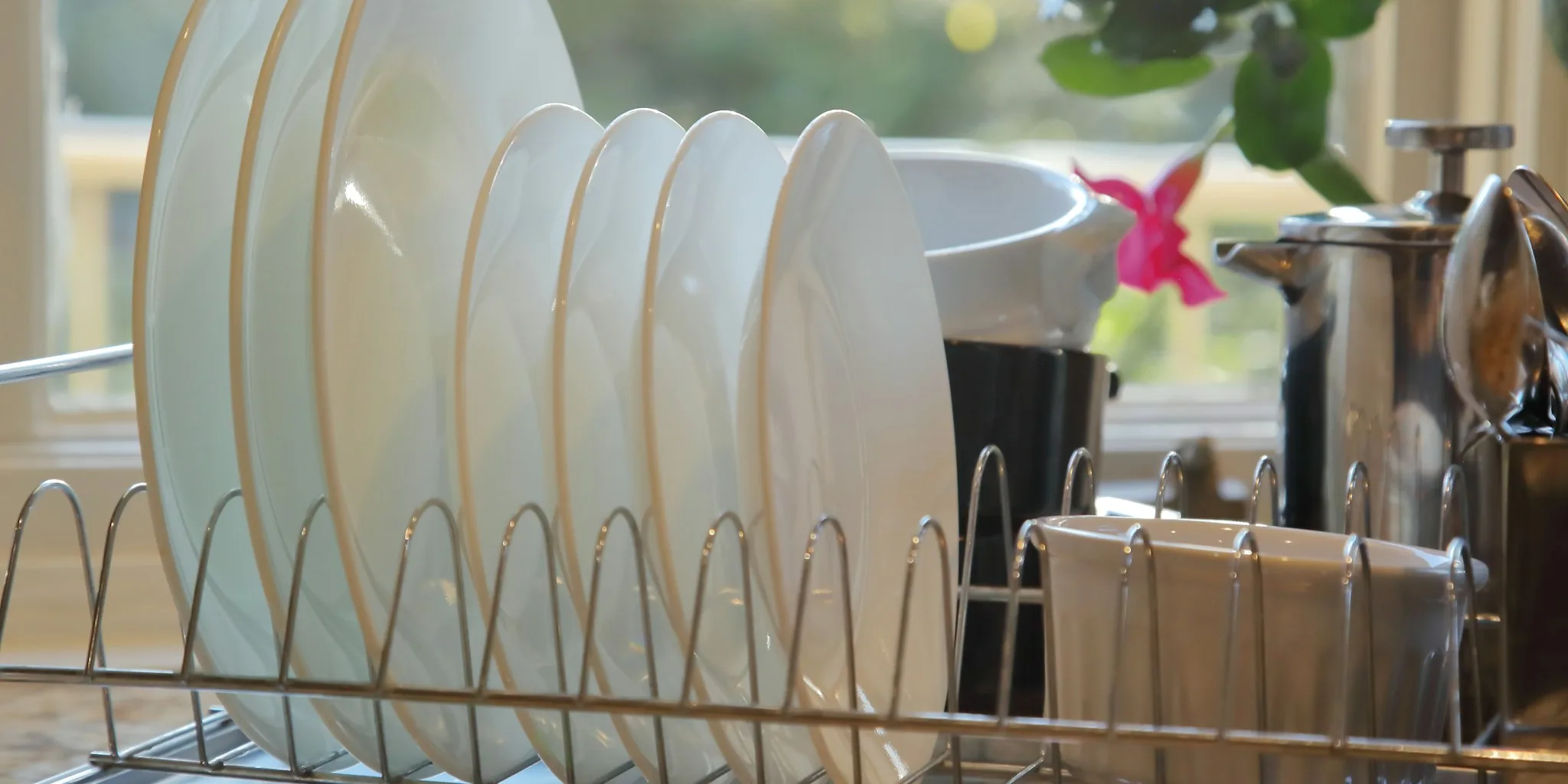
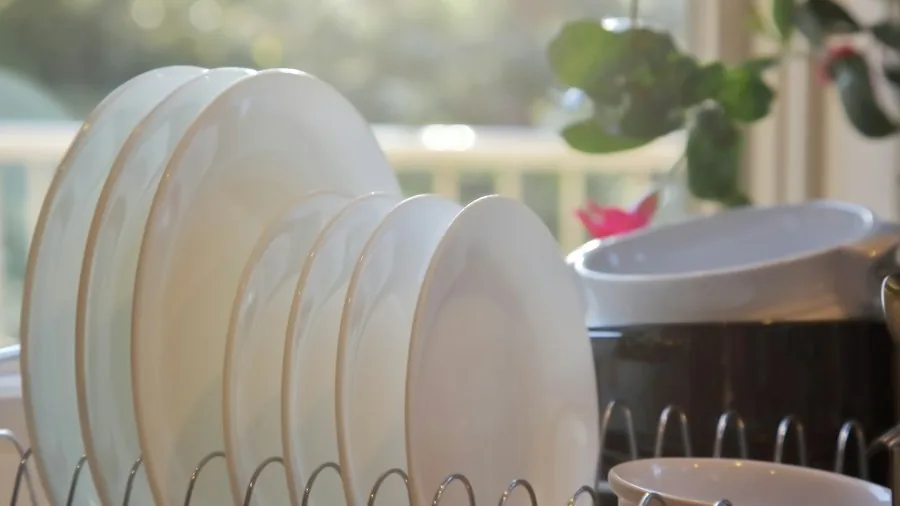
The short answer is that limited contact between dishes is acceptable, but how you arrange them matters significantly. According to cleaning experts, the key principle is ensuring that water and detergent can reach every soiled surface. Plates can sit adjacent to one another on the rack without issue, provided they’re not pressed tightly together or stacked on top of each other.
Bowls, however, require more careful handling. They should never be nested or overlapped, since this positioning prevents water jets from underneath from effectively reaching interior surfaces. Instead of resting a bowl’s curved side or rim against another bowl, arrange them so the rim of one bowl sits against the bottom edge of the bowl in front of it. This approach allows spray to circulate properly and clean all surfaces thoroughly.
The Spray Arm is Your Most Important Consideration
Before you load a single dish, remember that the spray arms rotating freely throughout your cycle are what make cleaning possible. Any obstruction, whether it’s a tall pan, oversized utensil, or large platter, can prevent an arm from spinning freely. When this happens, some dishes receive significantly less water exposure and emerge from the cycle still dirty.
Always take a moment to manually rotate the spray arm by hand before starting your cycle. This quick check ensures nothing is blocking its path and guarantees it can distribute water evenly across all your dishes. This single habit often makes the difference between clean and disappointing results.
Strategic Placement Makes a Real Difference
Where you position different items in your dishwasher significantly impacts cleaning effectiveness. Place plates on the bottom rack with their dirty sides facing toward the center, where water spray is typically strongest. For cookware like pots, pans, and casseroles, angle them downward so water can flow into their interiors and drain away rather than pooling inside.
Keep glasses and cups exclusively on the top rack, positioning them between the tines rather than over them. This arrangement prevents water from collecting in cup bases and allows for more efficient cleaning. Lightweight plastic items require special attention: secure them properly to prevent flipping during the cycle, which can cause them to fill with water or shift into contact with heating elements on certain models.
Detergent Dispenser Access Matters
One frequently overlooked mistake is placing large pans or platters directly in front of the detergent dispenser. This positioning prevents the dispenser from opening properly, which means detergent never reaches your load. Always verify that your dispenser has a clear path before closing the door and starting your cycle.
Pre-Rinsing vs. Scraping: What Actually Works
Modern dishwasher detergents are formulated specifically to tackle food residue without requiring pre-rinsing first. If you’re running your dishwasher immediately after loading, simply scrape off large food particles and proceed. Pre-rinsing actually wastes water and offers no performance benefit.
However, if dishes will sit in the machine throughout the day, running a rinse cycle is a practical solution that prevents food from drying and becoming difficult to remove. This middle-ground approach prevents waste while maintaining optimal cleaning results. While you’re optimizing your dishwasher routine, be cautious about viral dishwasher hacks that could potentially damage your machine.
Top Rack Versus Bottom Rack Strategy

Understanding which items belong on which rack is fundamental to effective loading. The bottom rack, with its more powerful spray, is ideal for heavily soiled plates and cookware. The top rack works best for glasses, cups, and more delicate items that don’t require intense water pressure.
This strategic separation also maximizes your available space, allowing you to fit more items in each load while maintaining proper spacing. As you refine your loading technique, you can also explore methods to eliminate dishwasher odors and keep your machine fresh for optimal long-term performance.
The Bottom Line for Shoppers
Proper dishwasher loading isn’t complicated once you understand the underlying principles. Minimal contact between dishes is fine, but tight packing, nesting, and stacking all compromise cleaning performance. Keep spray arms unobstructed, position items strategically by type and soil level, and avoid blocking your detergent dispenser.
By implementing these straightforward guidelines, you’ll notice consistent improvement in how clean your dishes actually become. The investment of a few extra seconds during loading pays dividends in cleaner results and fewer rewashes, ultimately saving you time and water over the long term.