

The Renovation Overload Problem
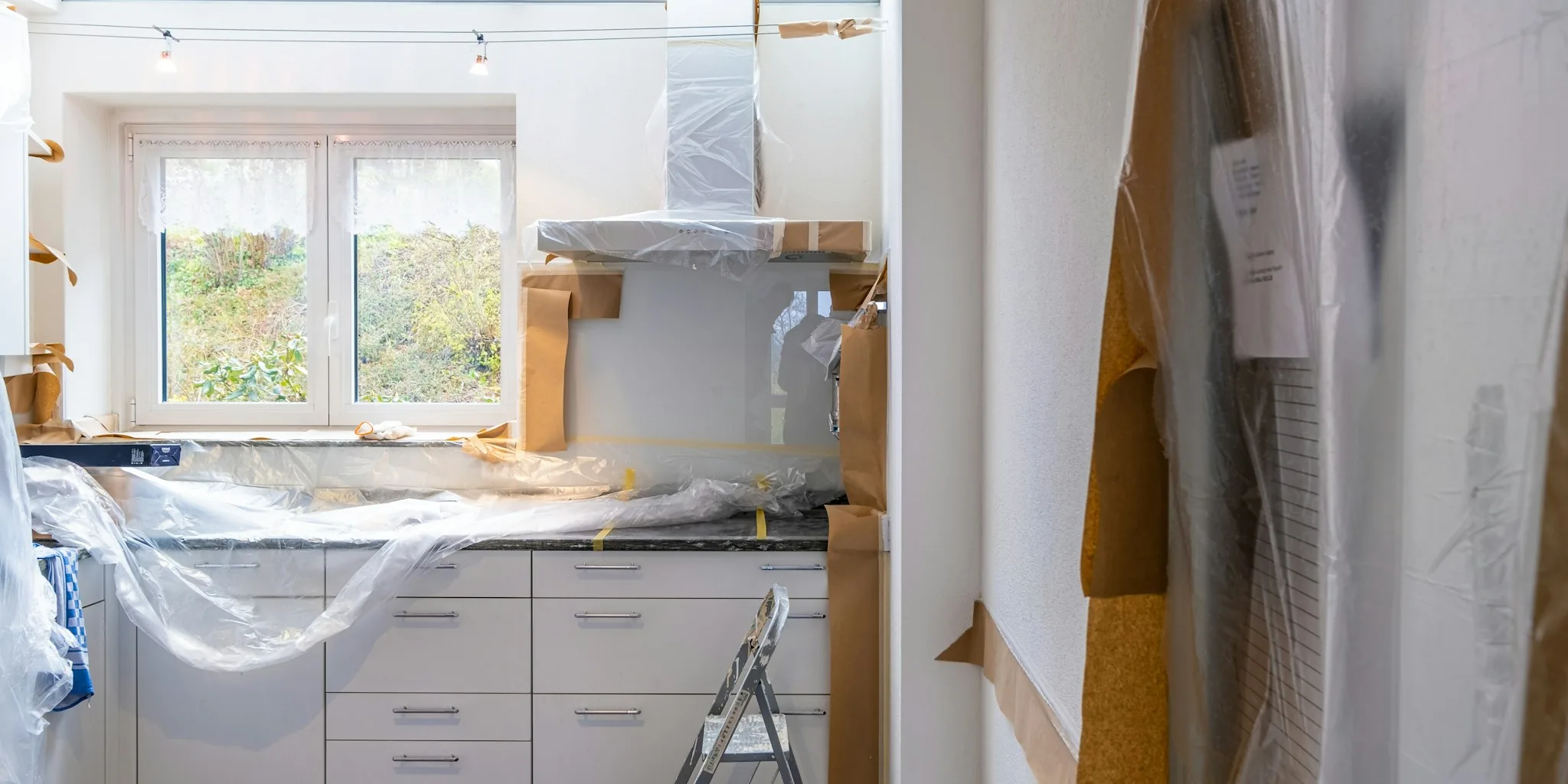
Taking on too many home renovation projects simultaneously is one of the most common mistakes homeowners make. What starts as enthusiasm for improving your home can quickly spiral into chaos when multiple rooms end up half-finished at once, tools and materials scatter everywhere, and the entire house begins to feel more like an active construction zone than a place to live.
This scenario plays out regularly for DIY enthusiasts and renovation-minded homeowners. One project morphs into two, then three, and suddenly your weekends stop feeling like progress and start feeling like overtime shifts. The result is a home in disarray where nothing gets completed, and the satisfaction of finishing a renovation becomes increasingly distant.
Warning Signs You’re Taking On Too Much

Several red flags indicate you’ve overcommitted to your renovation plans. If you have multiple rooms torn apart simultaneously, your motivation for home improvement work has faded, or every weekend feels like another demanding task rather than an enjoyable project, it’s time to reassess your approach.
The key issue is that spacing out your renovation projects allows you to actually complete work, clean up thoroughly, and enjoy your improvements before starting something new. Recognizing these warning signs early makes it far easier to adjust course than trying to recover after you’re already overwhelmed.
How to Prioritize and Complete Renovation Work
One effective strategy involves designating specific intervals, such as every few months, to finish all the small tasks that prevent projects from being truly complete. Missing trim, nail holes, outlet covers, and other finishing touches often get overlooked when you’re jumping between multiple projects. Setting aside dedicated time ensures these items actually get checked off.
Using a project planner to document everything you’re working on makes it obvious when you’re trying to fit too much into one week. Writing things down helps you determine what genuinely needs attention first. Additionally, learning to triage your projects like medical professionals prioritize patients can transform your approach. Instead of working a little on each project daily, focus intensely on completing one renovation before moving to the next.
You can choose to finish whichever project requires the least time first to build momentum and check items off your list quickly, or prioritize the renovation with a more urgent deadline. This triage approach helps ensure visible progress rather than a collection of partially done work. Consider consulting resources like what actually sells a flipped home to understand which projects add genuine value.
When to Bring in Professional Help
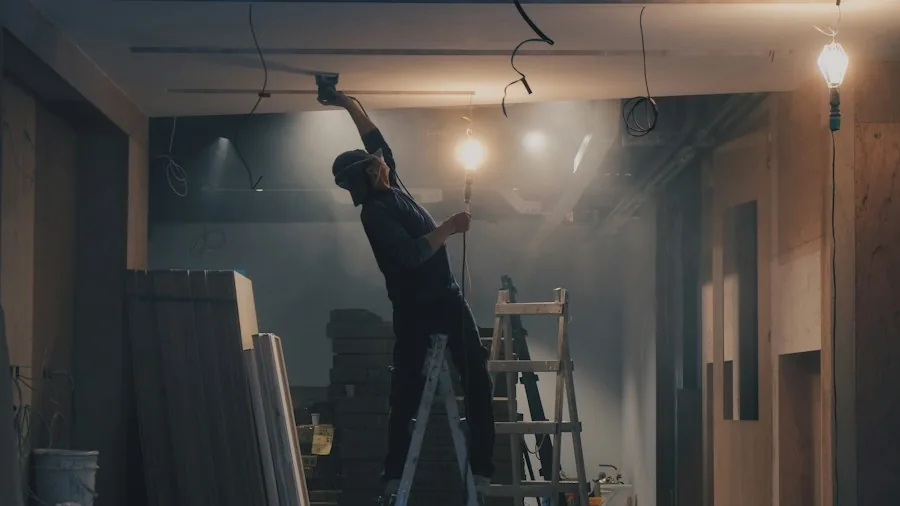
There’s absolutely no shame in hiring a contractor to complete a renovation you’ve started yourself. Life becomes busy, and professional tradespeople often appreciate finishing jobs where some initial work is already complete. They get an easier paycheck while you free up time and mental bandwidth to finish other projects that matter to you. This strategic use of professionals can actually accelerate your overall timeline.
If you’re working on an older home, early 1900s home renovation considerations might require specialized knowledge that justifies professional involvement. Similarly, understanding current standards like continuous insulation ratings in building codes ensures your renovations meet modern requirements.
The Importance of Finishing What You Start
An essential DIY skill involves knowing when to step back and reassess. Overcommitting to renovation projects is completely normal and remarkably common among homeowners who want to improve their spaces. Recognizing this pattern doesn’t indicate failure, it means you’re actively working to make your home better.
The goal isn’t to stop renovating or avoid ambitious projects. Instead, it’s about managing your renovation timeline realistically so you experience the satisfaction of completed work rather than the frustration of endless half-finished tasks. By spacing projects appropriately, prioritizing strategically, and knowing when to seek professional help, you’ll transform your home while actually enjoying the process.





