
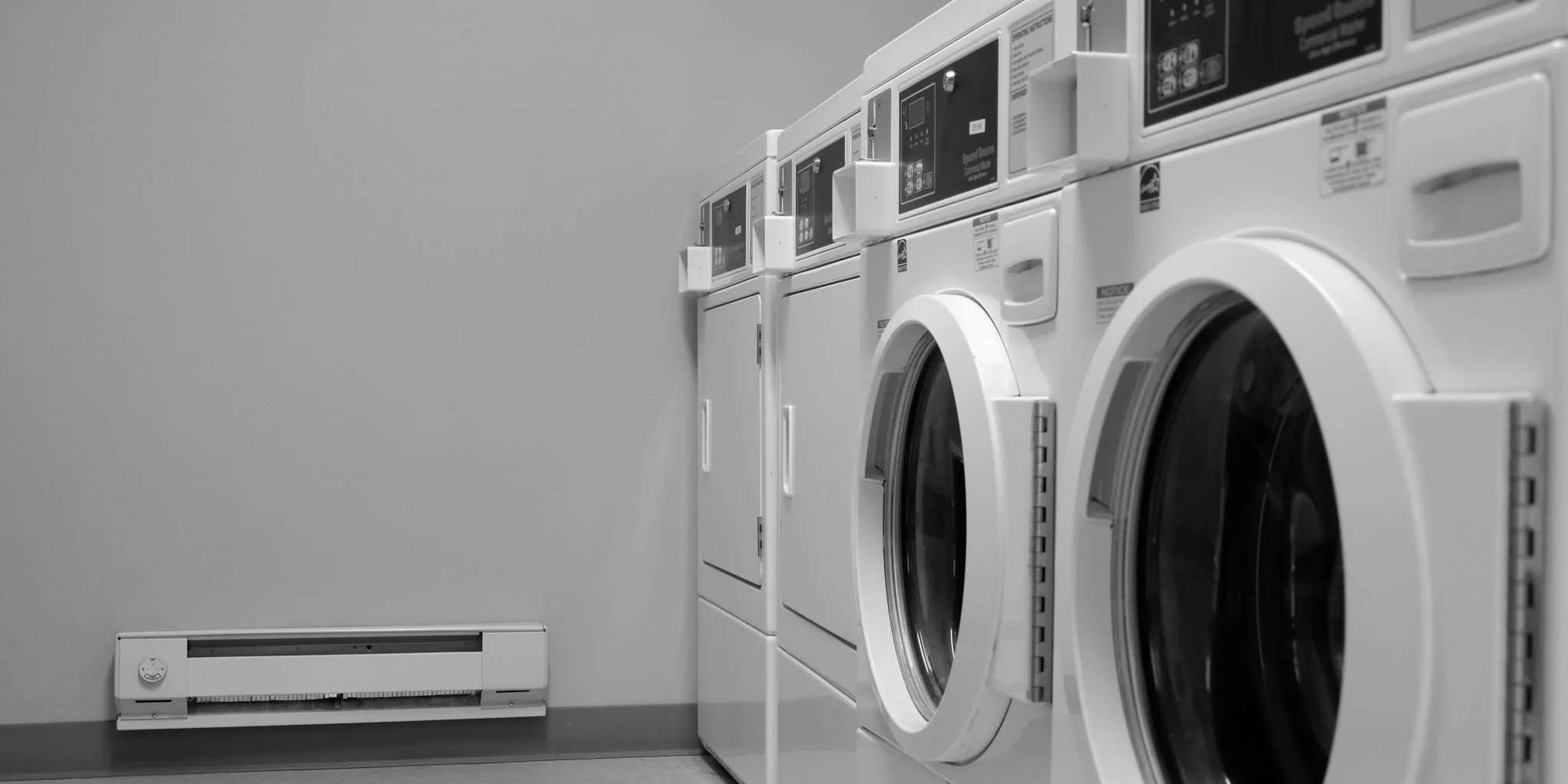

In a recent statement that caught the attention of industry observers and consumer advocates alike, Microsoft President Brad Smith highlighted a striking regulatory imbalance: everyday household appliances like washing machines face stricter safety oversight than artificial intelligence systems. His comments, made during an interview with the BBC, underscore a growing concern about how the rapid advancement of AI technology is outpacing the development of adequate safety frameworks.
Smith’s comparison cuts to the heart of a larger debate about consumer protection in the modern era. While your washing machine must meet rigorous safety standards before it reaches store shelves, AI systems can be deployed with far fewer mandatory safety checks or oversight mechanisms. This disparity raises important questions for consumers about what protections exist as AI becomes increasingly integrated into everyday products and services.
Why Current Regulations Fall Short
The gap in regulatory oversight isn’t accidental, it reflects how quickly AI technology has evolved compared to traditional consumer products. Washing machines have decades of established safety protocols, mandatory inspections, and liability frameworks. Manufacturers must prove their appliances won’t harm users before selling them to the public.
AI systems, by contrast, operate in a largely unregulated space. There are no universal requirements for companies to notify the public when AI systems malfunction, no mandatory safety reviews before deployment, and no standardized protocols for halting systems that behave unpredictably. Smith specifically called for legal requirements around breach notifications, independent safety evaluations before AI model releases, and what he termed emergency brakes or kill switches to shut down problematic systems.
The absence of these safeguards is particularly concerning given that AI systems can affect millions of people simultaneously. A defective washing machine impacts individual households, but a flawed AI system could have widespread consequences across entire industries or populations.
What This Means for Consumers
For shoppers, this regulatory gap has immediate and long-term implications. In the near term, it means that consumer protections for AI-powered devices and services are weaker than they should be. If you purchase a washing machine with smart features, the physical appliance is highly regulated, but the AI components controlling it may not be subject to equivalent safety standards.
Looking ahead, the implications become more complex. As AI becomes embedded in more products, from home appliances to healthcare devices, the lack of robust safety frameworks could expose consumers to unforeseen risks. Companies developing these technologies could prioritize speed to market over thorough safety testing, knowing that legal liability for AI systems remains murky and underdeveloped.
Smith’s push for stronger regulations isn’t anti-technology or anti-innovation. Rather, it reflects a pragmatic approach: the consumer protection frameworks that have worked well for physical products and food safety can be adapted for AI. The manufacturing industry already knows how to implement safety testing, maintain accountability, and respond to defects. Applying similar discipline to AI development would benefit both consumers and responsible companies.
The Path Forward for Consumers
While regulatory frameworks develop, consumers can take steps to protect themselves. When purchasing smart appliances, research the manufacturer’s commitment to safety and transparency. Look for products from companies that openly discuss their testing procedures and safety measures. Additionally, understand that proper appliance maintenance and operation remain within your control regardless of regulatory status.
The debate over AI regulation will likely intensify in coming years. Some tech industry leaders advocate for rapid AI development with minimal restrictions, while others like Smith argue that proven safety frameworks should be applied to AI before systems become too powerful to control. Your voice as a consumer matters in this discussion. Supporting calls for stronger safety standards sends a message that you value protection alongside innovation.
Smith’s comparison to milk and washing machines may seem simple, but it highlights something fundamental: consumers deserve to know that the products they bring into their homes have been tested for safety. Whether that product is a traditional appliance or an AI-enhanced system, the principle remains the same. As AI continues to advance and integrate into consumer products, maintaining this standard becomes increasingly important. Understanding how your appliances work and what standards they meet empowers you to make informed purchasing decisions in an evolving technological landscape.





