
As outdoor entertaining becomes a priority for homeowners, deck safety and ambiance are top concerns. A significant trend has emerged around solar-powered step lighting solutions, particularly after budget-friendly options appeared on major online retailers. These fixtures promise to prevent falls on outdoor stairs while creating an inviting atmosphere for evening gatherings. However, recent buyer feedback reveals both impressive benefits and important drawbacks that shoppers need to understand before making a purchase.
The Rise of Solar Step Lighting for Deck Safety
Navigating deck steps in low light conditions poses a genuine safety risk. Many homeowners have experienced that unsettling moment of misjudging a step in darkness, making outdoor step lighting increasingly viewed as essential rather than optional. Solar-powered solutions have gained traction because they eliminate the need for running electrical wiring across your deck, which would be both costly and potentially dangerous.
The appeal lies in ease of installation combined with affordability. Recent products in this category feature automatic dusk-to-dawn sensors, meaning they activate without any manual effort. A typical kit offers multiple lights (often 20 units) at a price point under $25, making it accessible for homeowners on various budgets. Installation methods vary from traditional screws to double-sided adhesive tape, allowing renters and homeowners alike to add this safety feature without permanent damage to their deck.
How These Lights Work and What to Expect
Most solar deck step lights operate on a straightforward principle. During daylight hours, built-in solar panels charge internal batteries. Manufacturers typically claim that four to five hours of direct sunlight provides enough energy for ten to fourteen hours of illumination. However, this performance varies based on factors like weather, season, and cloud cover. Even partially shaded steps may still receive adequate charging to function throughout the night, though results are inconsistent.
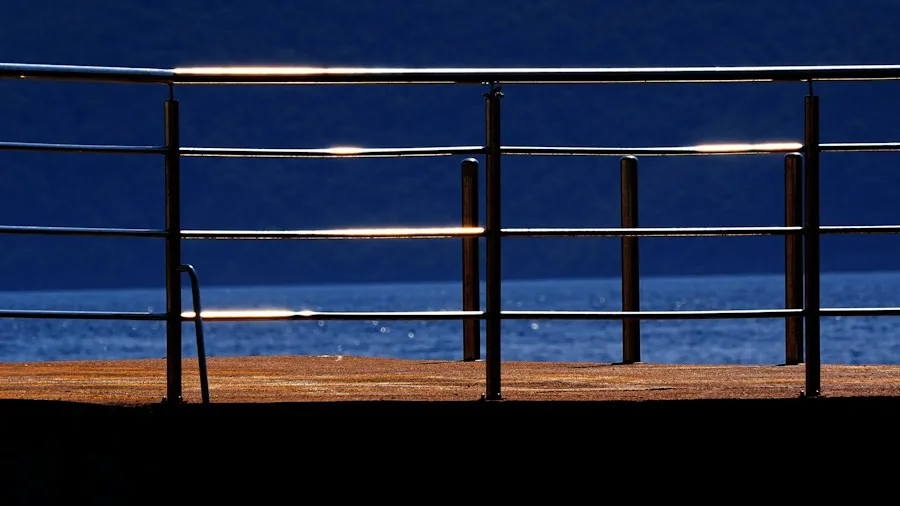
Installation versatility is a major selling point. You can mount these lights on deck railings to direct illumination downward toward the steps, or position them along the outer edges without creating trip hazards. This differs from traditional outdoor lighting, which often shines upward or outward and can be glaring or obstructive. Similar to peel-and-stick sconces that transform lighting without rewiring, these solar step lights appeal to renters and temporary residents seeking non-permanent solutions.
Aesthetic and Practical Benefits
Beyond safety, buyers appreciate the visual appeal these lights add to outdoor spaces. When positioned correctly, downward-facing lighting creates a warm, inviting glow without excessive brightness. The soft illumination establishes an intimate atmosphere perfect for evening relaxation, which is why many reviewers describe the aesthetic outcome as cozy and welcoming. Since there are no visible electrical cords or wires, your deck maintains a cleaner daytime appearance compared to traditional hardwired lighting solutions.
This aesthetic consideration has driven demand among homeowners redesigning their outdoor spaces. Like picture lights transforming home lighting as a trending design choice, solar step lighting is reshaping how people think about outdoor illumination, moving away from bright floodlights toward more nuanced, directional approaches.
Critical Issues Buyers Are Reporting

Despite the advantages, significant concerns have emerged from actual user experiences. The most troubling complaint involves durability and water resistance. Although manufacturers often advertise IP65 ratings (supposedly protecting against dust and water penetration), multiple buyers report that units stop functioning within months. The cause appears to be water infiltration into the light casings, damaging internal components and rendering the lights permanently non-functional.
Brightness consistency presents another challenge. Some users find the illumination insufficient for safe navigation, particularly if your deck steps otherwise lack ambient light. One reviewer noted that individual lights vary in brightness levels even within the same kit, creating an uneven, patchy appearance across your steps. This inconsistency defeats the purpose of uniform, reliable step lighting.
Making Your Decision
If you’re considering solar deck step lights, understand that results are mixed. The combination of affordability, easy installation, and chemical-free operation makes them attractive. However, durability concerns and potential brightness issues mean they may not be suitable for every situation.
For homeowners with excellent daytime sun exposure, these lights can supplement existing outdoor lighting or provide gentle accents in already well-lit areas. If your deck steps receive limited sunlight or you need robust, all-weather lighting as your primary safety solution, you may need to explore hardwired alternatives or higher-end solar options with better weatherproofing. Smart lighting switches represent another avenue for upgrading your outdoor lighting control, offering reliability at reasonable prices.
Before ordering, read recent reviews carefully, verify the return policy, and assess whether the investment justifies the risk given current durability reports.