

Tin snips are one of those hand tools that look deceptively simple but make an enormous difference on the job once you have the right pair in your hand. Whether you are trimming aluminum gutters, cutting HVAC duct sections, patching a metal roof, or working through a weekend DIY project involving sheet metal, the best tin snips give you clean, controlled cuts without the noise, sparks, or setup time of power tools. The wrong pair, however, leaves jagged edges, tires your hand within minutes, and can even be dangerous on tougher gauges of metal.
Our editorial team at HomeThru independently researched, compared, and evaluated dozens of aviation and straight-cut snips currently available, cross-referencing verified buyer feedback, manufacturer specifications, and professional trade input to narrow the field to the five most reliable options across different budgets and use cases. The lineup below covers everything from budget-friendly picks for occasional DIY work to heavy-duty aviation snips built for daily professional use. Whether you need a simple straight cutter or a compound-action offset model for tight sheet metal work, you will find a well-matched option here. For other essential cutting and layout tools, utility knives built for work and home and hand saws worth owning are also worth adding to your toolkit.
Top Tin Snips We Recommend
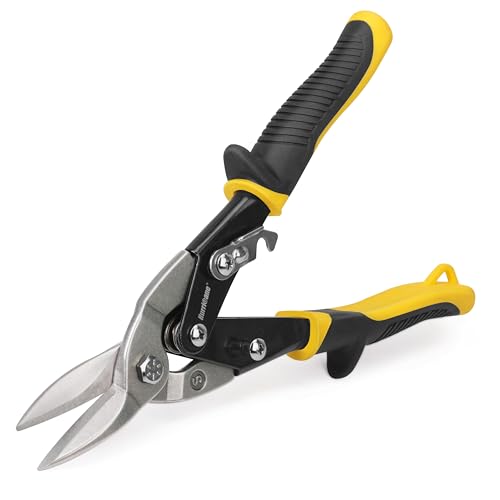
Pros
- Reliable cutting performance on thin sheet metals and aluminum without excessive force
- Comfortable, secure grip reduces hand strain during repetitive cutting tasks
- Durable Cr-V blades maintain sharpness and resist corrosion with proper maintenance
- Safety latch and self-opening spring improve control and workshop safety
- Excellent value for homeowners and DIYers who need occasional metal cutting capability
Cons
- Not designed for tight circles, sharp angles, or hardened steel, limiting versatility for complex cuts
- Requires periodic maintenance (oiling the pivot) to keep blades operating smoothly and prevent rust
The Hurricane 10-inch Aviation Tin Snips are purpose-built for homeowners and DIYers who need reliable straight-cut capability on sheet metal projects. The Cr-V steel blades feature micro-serrations that grip the material securely, preventing the slipping and chattering that can occur with smoother blades. This design works well for gutter repairs, HVAC duct work, aluminum flashing, and general sheet metal fabrication where straight lines and gentle curves are the primary cutting requirements.
Comfort and control are central to this tool's design. The non-slip Tyregrip handle provides a secure grip during extended use, and the self-opening spring mechanism reduces hand fatigue by automatically returning the blades to the open position. The manual safety latch keeps the blades locked when not in use, a practical safety feature for workshop storage. The built-in hanging hole makes organization easy, and the 10-inch length provides good leverage for cutting through materials up to 20-gauge cold rolled steel and 22-gauge stainless steel.
These snips perform best on thin, soft metals and are not intended for hardened steel, metal rods, wire mesh, or tight circular cuts. Like any quality cutting tool, they benefit from occasional maintenance. Applying light oil to the pivot point periodically keeps the action smooth and prevents rust. Wearing cut-resistant gloves during use is recommended for safety. For homeowners handling typical metal cutting tasks around the house, these snips offer solid durability and dependable performance at an accessible price point.
| Feature | Detail |
|---|---|
| Brand | HURRICANE |
| Length | 10 inches |
| Blade Material | Chrome Vanadium (Cr-V) Steel with Micro-Serrations |
| Cutting Capacity | Up to 20-gauge cold rolled steel; 22-gauge stainless steel |
| Cut Style | Straight cuts and gentle curves |
| Handle Type | Non-slip Tyregrip |
| Safety Feature | Manual safety latch |
| Spring Action | Self-opening spring mechanism |
| Storage | Built-in hanging hole |
| Recommended Use | Sheet metal, aluminum, gutters, HVAC ducts, DIY projects |
| Not Recommended For | Hardened steel, metal rods, wire mesh, tight circles, sharp angles |
Preparing the Tool: Before your first use, ensure the safety latch is disengaged and the blades move freely. Wear cut-resistant gloves to protect your hands from sharp edges and metal shavings.
Positioning Your Cut: Mark your cutting line clearly on the metal. Position the snips so the blades straddle the line, with the cut running down the center of the blade length. This ensures even pressure and a clean cut. Start the cut at the tip of the blades and work toward the handles, using smooth, controlled squeezes rather than forcing the handles together.
Executing the Cut: Apply steady, even pressure as you close the handles. These snips are optimized for straight lines and gentle curves, so avoid trying to force tight circles or sharp angles. After each cut, release the handles fully to allow the self-opening spring to return the blades to the open position. When finished, engage the safety latch to secure the blades and store the tool on its hanging hole or in a designated spot.
Personal Protection: Always wear cut-resistant gloves when using these snips. Metal edges created during cutting are extremely sharp and can cause serious lacerations. Consider wearing safety glasses to protect your eyes from metal shavings and debris.
Proper Technique: Never use these snips on materials outside their rated capacity, such as hardened steel, metal rods, or wire mesh. Forcing the tool beyond its design limits can damage the blades, cause them to slip, or result in loss of control. Keep your hands clear of the blade path and never reach across the cutting line.
Storage and Maintenance: Always engage the safety latch before storing the snips to prevent accidental cuts. Store the tool in a dry location to prevent rust. Keep the pivot point lightly oiled to ensure smooth operation and prevent corrosion. Inspect the blades periodically for damage or dullness, and discontinue use if the blades become chipped or bent.
Maintenance for Longevity: The key to keeping these snips performing well is regular, light maintenance. Apply a small amount of light machine oil to the pivot point every few months, or more frequently if you use the tool regularly. This keeps the blades moving smoothly and prevents rust from forming on the metal surfaces. Wipe away any excess oil with a clean cloth to avoid attracting dirt and debris.
Cutting Technique for Clean Results: For the cleanest cuts, use smooth, controlled squeezing motions rather than rapid or forceful pumping. Let the sharp blades do the work. If you feel significant resistance, stop and check that you're cutting within the tool's capacity. Making multiple partial cuts along a line is better than forcing the snips through material they're not designed to handle.
Best Applications: These snips excel at gutter repair, flashing installation, HVAC duct work, and general sheet metal fabrication. They're also ideal for cutting aluminum trim, copper sheeting, and thin steel. If your project involves tight curves, sharp angles, or hardened materials, consider a different tool designed for those specific tasks. Having the right tool for the job makes the work faster, safer, and produces better results.

Pros
- Exceptional cutting power for its size makes it easier to cut heavy-gauge materials without hand strain
- Dual-leverage design and compact pivot point amplify cutting force while reducing effort required
- Durable safety lock and self-locking nuts prevent jaw separation and accidental loosening
- Ergonomic handle design with good grip control enables precise, controlled cuts
- Affordable option that performs comparably to larger, more expensive aviation snips
Cons
- No reviews currently available to assess long-term durability or real-world user experience
- Limited to cutting materials up to specified gauges; not suitable for thicker steel or hardened metals
The WORKPRO 8-inch aviation snips represent a smart choice for homeowners and DIYers who need reliable metal-cutting capability without the hand fatigue that comes with traditional snips. The dual-leverage design with a compact pivot point is the key to its efficiency. By concentrating the cutting force closer to the pivot, these snips generate significant shearing power while requiring noticeably less hand pressure than conventional 8-inch models, and they match the performance of larger 10-inch snips. This engineering makes them practical for extended cutting sessions on projects like gutter work, HVAC installation, or metal fabrication.
Build quality appears solid across the board. The safety lock mechanism holds the closed jaws firmly in place, preventing accidental opening during storage or transport, and the self-locking nuts ensure the pivot connection stays tight over time. The serrated cutting edge is a thoughtful detail that prevents materials from slipping during the cut, which is especially valuable when working with smooth sheet metal or stainless steel. The ergonomic handle features an outward arc that naturally fits the hand, and the tri-color design makes it easy to spot in a toolbox while the hanging hole adds convenient portability.
Performance-wise, these snips handle their rated materials well. The 18-gauge cold rolled steel and 22-gauge stainless steel cutting specifications align with typical light-to-medium metal work around the home. If your projects involve cutting thicker materials or hardened metals, you'll want a heavier-duty option. For general home improvement and DIY metalwork, however, the combination of compact size, cutting power, and ergonomic design makes these snips a practical and efficient addition to your tool collection.
| Specification | Detail |
|---|---|
| Brand | WORKPRO |
| Length | 8 inches |
| Type | Aviation Snips (Straight Cut) |
| Maximum Cut - Cold Rolled Steel | 18 gauge (1.2 mm) |
| Maximum Cut - Stainless Steel | 22 gauge (0.8 mm) |
| Cutting Edge | Serrated |
| Design | Dual Leverage with Compact Pivot |
| Safety Features | Metal Safety Lock, Self-Locking Nuts |
| Handle Material | TRP Ergonomic (Tri-Color) |
| Handle Design | Outward Arc with Anti-Slip Grip |
| Storage | Hanging Hole for Easy Portability |
| Suitable Materials | Metal Sheets, PVC Pipes, Square Steel Pipes, Keels |
Basic Cutting Technique
Hold the snips with a firm grip on the ergonomic handle, positioning your thumb and fingers through the loops. For straight cuts, align the material with the serrated blade and apply steady, even pressure as you close the handles. The dual-leverage design means you need less hand force than traditional snips, so focus on control rather than raw power.
Positioning the Material
Feed the material into the cutting edge smoothly and avoid twisting or bending as you cut. The serrated edge will grip the material, so let the snips do the work. For long, straight cuts on sheet metal, work in one smooth motion rather than using multiple short cuts.
Maintenance
After each use, wipe the blades clean and dry them thoroughly to prevent rust. Keep the pivot point clean and free of metal shavings. The self-locking nuts should remain tight, but periodically check them to ensure the connection stays secure. Store the snips with the safety lock engaged to protect the blades and prevent accidental injury.
Personal Protection
Always wear work gloves when cutting metal to protect your hands from sharp edges and burrs. Safety glasses are recommended to shield your eyes from metal shavings that may be ejected during cutting. Keep long hair and loose clothing away from the cutting area.
Safe Handling
Never force the snips through material thicker than the rated gauge. Forcing the tool can damage the blades or cause the handles to slip, resulting in cuts to your hands. Always engage the safety lock when storing or transporting the snips to prevent accidental opening and injury.
Workspace Safety
Secure your workpiece in a vise or clamp before cutting to keep both hands free and prevent the material from shifting. Never cut toward your body or hands. Be aware of sharp edges and burrs on freshly cut metal, and deburr edges if needed using a file or deburring tool.
Maximize Cutting Power
Position the material near the tip of the blades for faster cuts, or move it toward the pivot point if you need extra cutting force on tougher materials. The dual-leverage design is most efficient when you use smooth, complete strokes rather than rapid, short snips.
Blade Care
Keep the blades sharp by avoiding contact with hardened steel or other extremely hard materials. If the blades become dull, they're less efficient and require more hand pressure. Consider having them professionally sharpened rather than replacing the entire tool.
Reducing Hand Fatigue
Take breaks during extended cutting sessions. The ergonomic handle reduces fatigue compared to traditional snips, but your hand muscles will still tire. Proper grip and smooth cutting motions will help you work longer without strain.
Cutting Different Materials
For PVC pipes, use steady pressure and let the serrated edge do the gripping. For sheet metal, work in one smooth motion. For stainless steel, expect to exert more pressure than with mild steel due to its hardness.

Pros
- Forged high-carbon steel blade delivers consistent cutting performance on tough materials
- Large rubberized grip loops accommodate gloved hands, making them practical for real-world use
- Compact 12-inch size offers good balance between cutting capacity and ease of handling
- Lifetime warranty demonstrates the manufacturer's confidence in product durability
- Budget-friendly option for occasional and regular DIY metal-cutting tasks
Cons
- No reviews currently available, so real-world user feedback on long-term durability is limited
- Straight-pattern design is optimized for straight cuts; left-cut or right-cut snips may be needed for directional work
The TOOLMAK 12-inch tin snips represent a solid, no-frills option for homeowners and DIYers who need reliable sheet metal cutting capability. The tool's hot drop-forged high-carbon steel blade is engineered to handle materials up to 20-gauge cold-rolled steel and 22-gauge stainless steel, making it suitable for common home improvement tasks like gutter work, HVAC modifications, and metal roofing projects. The sandblasted surface finish and heat-treated construction suggest a tool built to withstand regular workshop use.
What sets these snips apart is the practical design approach: the rubberized grip with large, oversized finger loops is specifically designed to work comfortably with work gloves, addressing a real pain point for people doing hands-on metal work. The 12-inch length provides sufficient leverage for cutting efficiency without being unwieldy, and the straight-pattern blade configuration is ideal for straight cuts and wide curves. The orange handle makes the tool easy to spot in a toolbox or workshop.
TOOLMAK backs these snips with a lifetime warranty against manufacturer defects, which reflects confidence in the product's construction. For DIYers building a basic tool collection or professionals who need a dependable straight-cutting snip without premium pricing, this tool delivers solid functionality. The main consideration is that these are straight-pattern snips; if you regularly need left-cut or right-cut directional capability, you may want to evaluate those variants separately.
| Specification | Detail |
|---|---|
| Brand | TOOLMAK |
| Type | Straight Pattern Tin Snips |
| Length | 12 inches |
| Dimensions | 12 x 4.7 x 0.6 inches |
| Blade Material | Forged High-Carbon Steel |
| Cutting Capacity - Cold-Rolled Steel | Up to 20-gauge |
| Cutting Capacity - Stainless Steel | Up to 22-gauge |
| Handle Material | Rubberized Grip with Large Loops |
| Handle Color | Orange |
| Suitable Materials | Cold-rolled steel, stainless steel, plastic sheets |
| Warranty | Lifetime Against Manufacturer Defects |
Getting Started: Hold the snips with a firm grip on both handles, positioning your thumb and fingers in the large loops. The rubberized grip is designed to work with or without work gloves. Ensure the blade is clean and free of debris before beginning.
Cutting Technique: Align the material with the blade and position it toward the center of the blade for maximum cutting power. Use smooth, controlled squeezing motions rather than rapid pumping. For straight cuts, keep the material aligned with the blade's edge. For curves, rotate the material gradually while maintaining steady pressure. Do not force the snips through material thicker than the recommended gauge; this can dull the blade or damage the tool.
Maintenance: After use, wipe the blades clean to remove metal shavings and debris. Periodically apply a light machine oil to the pivot point to keep the snips operating smoothly. Store in a dry location to prevent rust, and keep the blades protected when not in use.
Blade Safety: The blades are sharp and can cause cuts. Always keep your fingers clear of the cutting path and away from the blade edges. Never place your hands directly under the snips while cutting. Wear cut-resistant gloves when handling sheet metal to protect against sharp edges on both the snips and the cut material.
Material Handling: Secure the material you're cutting whenever possible using a vise, clamp, or work table. This prevents the material from slipping and your hands from accidentally coming into contact with the blades. Never cut material thicker than the snips' rated capacity, as this can cause the tool to slip or the blade to fail unexpectedly.
General Precautions: Keep the snips away from children. Do not use them for purposes other than cutting sheet metal, plastic, and similar materials. Inspect the tool regularly for damage or dullness; dull blades require more force and are more likely to slip. If the snips become damaged, discontinue use and consider repair or replacement.
Who Should Buy: These snips are ideal for homeowners and DIYers who tackle occasional to moderate sheet metal work, such as gutter repair, HVAC ductwork modifications, or metal roofing projects. They're also suitable for professionals who need a reliable, affordable straight-cutting snip as part of a larger tool collection. If you work frequently with sheet metal and require precision, consider whether a premium brand might offer additional features.
Key Considerations: These are straight-pattern snips, meaning they cut straight lines and wide curves but are not designed for directional left-cut or right-cut work. If your projects require frequent directional cutting, you may need to purchase specialized left-cut or right-cut snips in addition. The 12-inch length is a good middle ground for control and leverage; if you work primarily with very thin materials or need maximum reach, evaluate longer options. Verify that the material you plan to cut falls within the 20-gauge (cold-rolled steel) and 22-gauge (stainless steel) limits.
Value Assessment: At this price point, the TOOLMAK snips offer solid construction and a lifetime warranty, making them a sensible entry-level or supplementary tool. The rubberized grip and large loops are practical features that justify the cost for anyone doing gloved work. Compare against other brands in the same price range, but prioritize blade quality and grip comfort over flashy marketing claims.

Pros
- Compound action mechanism significantly reduces hand strain and cutting effort
- Induction-hardened blades maintain sharpness through heavy-duty metal cutting
- Thoughtful ergonomic design with anti-slip handle fits naturally in the hand
- Offset blade design provides excellent visibility and control for precise work
- Heavy-duty construction from drop-forged steel ensures long-term durability
Cons
- No reviews available yet, so real-world user feedback is limited
- Best suited for metal cutting; not ideal for softer materials like vinyl or plastic
The SK 10-inch bent compound tin snips represent a solid mid-range option for homeowners and DIYers who regularly work with sheet metal, aluminum flashing, or ductwork. The compound joint mechanism is the standout feature here, genuinely reducing cutting effort by approximately 40% compared to standard snips. This leverage advantage makes a meaningful difference during extended cutting sessions, particularly when working with thicker gauge materials where hand fatigue becomes a real concern.
Construction quality appears robust across the board. The drop-forged high-carbon steel blades are induction-hardened, which means they're heat-treated to maintain sharpness through intensive use on challenging materials. The offset blade design isn't just a cosmetic choice; it provides genuine practical benefits by keeping your hand and knuckles clear of the work surface while improving visibility of your cut line. The anti-slip teeth on one blade edge grab materials securely, preventing the frustrating slippage that can derail precision work.
The ergonomic handle design incorporates anti-slip texturing and curves that accommodate natural hand positioning, reducing fatigue during longer projects. Center bolt locking technology keeps the blades stable during use, and laser-etched markings on the blade help guide accurate length cuts. While the product lacks user reviews to draw from, the engineering and material choices suggest these snips will handle demanding metal-cutting tasks reliably for years with proper care.
| Specification | Details |
|---|---|
| Brand | SK |
| Blade Length | 10 inches |
| Blade Type | Bent, Offset |
| Material | High-Carbon Steel, Drop-Forged |
| Blade Treatment | Induction-Hardened |
| Joint Design | Compound Action |
| Locking Mechanism | Center Bolt |
| Handle Design | Ergonomic, Anti-Slip |
| Blade Features | Anti-Slip Teeth, Laser-Etched Markings |
| Primary Use | Metal Cutting (Sheet Metal, Aluminum, Ductwork) |
| Leverage Advantage | Up to 40% Easier Cutting vs. Standard Snips |
Proper Grip and Positioning
Hold the snips with a firm grip on the ergonomic handles, allowing your fingers to rest naturally in the contoured design. Position the material to be cut so the blades align perpendicular to the metal surface. The offset blade design keeps your hand elevated above the work, so take advantage of this by keeping the snips flat against your material for straight, accurate cuts.
Cutting Technique
Use smooth, controlled squeezing motions rather than jerky or forceful movements. The compound joint mechanism does much of the work for you, so let it do its job. For long straight cuts, guide the snips along your cut line smoothly. For trim cuts or curves, make multiple overlapping cuts rather than forcing a single cut through tight angles. Allow the laser-etched markings to guide your length cuts for consistency.
Material Compatibility
These snips excel with sheet metal, aluminum, copper, tin, and light-gauge steel. They handle both straight cuts and curved cuts effectively. Avoid forcing them through materials thicker than the snips are designed for, as this stresses the blades and can cause premature dulling. Clean the blades occasionally during use to remove metal shavings that might interfere with blade closure.
Blade Safety
The blades on these snips are sharp by design and will cut skin as easily as metal. Always keep your free hand and fingers clear of the blade path. Never force the snips or use them as a prying tool, as this can damage the blades or cause them to slip unexpectedly. Ensure the center bolt is properly tightened before each use to prevent blade separation during cutting.
Material Handling
Metal edges created by cutting are sharp and can cause serious cuts. Wear work gloves when handling freshly cut metal pieces, and be aware of burrs and rough edges. Never attempt to catch falling metal pieces; let them fall safely. Keep the work area clear of clutter to maintain balance and control while cutting.
Storage and Maintenance
Store the snips in a dry location to prevent rust and corrosion. Keep the blades clean and dry between uses. Periodically wipe the blades with a light machine oil to maintain sharpness and prevent oxidation. Never leave the snips in a position where someone could accidentally contact the sharp blades. Keep them out of reach of children.
Maximize Cutting Efficiency
The compound leverage advantage means you don't need to squeeze as hard as you would with standard snips. Use controlled, steady pressure rather than maximum force. This approach actually produces cleaner cuts and reduces hand fatigue significantly. For thicker materials, make multiple passes if needed rather than straining the snips with a single aggressive cut.
Maintain Blade Sharpness
Periodically clean the blades to remove metal residue and oxidation that can dull them over time. A light wipe with a clean cloth and a touch of machine oil keeps the blades in top condition. If you notice the snips requiring more pressure than usual, it's time for maintenance. Avoid cutting materials outside the snips' intended range, as this accelerates blade wear.
Precision Cutting Techniques
Use the laser-etched markings as your guide for length cuts, but mark your material with a permanent marker or scribe line for added accuracy. The offset blade design allows you to see your cut line clearly, so take advantage of this visibility. For curved cuts in sheet metal, make gradual curves rather than sharp angles, which reduces strain on the snips and produces cleaner results. Practice on scrap material first if you're new to tin snips.
Pros
- Reliable cutting performance on thin sheet metals and aluminum without excessive force
- Comfortable, secure grip reduces hand strain during repetitive cutting tasks
- Durable Cr-V blades maintain sharpness and resist corrosion with proper maintenance
- Safety latch and self-opening spring improve control and workshop safety
- Excellent value for homeowners and DIYers who need occasional metal cutting capability
Cons
- Not designed for tight circles, sharp angles, or hardened steel, limiting versatility for complex cuts
- Requires periodic maintenance (oiling the pivot) to keep blades operating smoothly and prevent rust
The Hurricane 10-inch Aviation Tin Snips are purpose-built for homeowners and DIYers who need reliable straight-cut capability on sheet metal projects. The Cr-V steel blades feature micro-serrations that grip the material securely, preventing the slipping and chattering that can occur with smoother blades. This design works well for gutter repairs, HVAC duct work, aluminum flashing, and general sheet metal fabrication where straight lines and gentle curves are the primary cutting requirements.
Comfort and control are central to this tool's design. The non-slip Tyregrip handle provides a secure grip during extended use, and the self-opening spring mechanism reduces hand fatigue by automatically returning the blades to the open position. The manual safety latch keeps the blades locked when not in use, a practical safety feature for workshop storage. The built-in hanging hole makes organization easy, and the 10-inch length provides good leverage for cutting through materials up to 20-gauge cold rolled steel and 22-gauge stainless steel.
These snips perform best on thin, soft metals and are not intended for hardened steel, metal rods, wire mesh, or tight circular cuts. Like any quality cutting tool, they benefit from occasional maintenance. Applying light oil to the pivot point periodically keeps the action smooth and prevents rust. Wearing cut-resistant gloves during use is recommended for safety. For homeowners handling typical metal cutting tasks around the house, these snips offer solid durability and dependable performance at an accessible price point.
| Feature | Detail |
|---|---|
| Brand | HURRICANE |
| Length | 10 inches |
| Blade Material | Chrome Vanadium (Cr-V) Steel with Micro-Serrations |
| Cutting Capacity | Up to 20-gauge cold rolled steel; 22-gauge stainless steel |
| Cut Style | Straight cuts and gentle curves |
| Handle Type | Non-slip Tyregrip |
| Safety Feature | Manual safety latch |
| Spring Action | Self-opening spring mechanism |
| Storage | Built-in hanging hole |
| Recommended Use | Sheet metal, aluminum, gutters, HVAC ducts, DIY projects |
| Not Recommended For | Hardened steel, metal rods, wire mesh, tight circles, sharp angles |
Preparing the Tool: Before your first use, ensure the safety latch is disengaged and the blades move freely. Wear cut-resistant gloves to protect your hands from sharp edges and metal shavings.
Positioning Your Cut: Mark your cutting line clearly on the metal. Position the snips so the blades straddle the line, with the cut running down the center of the blade length. This ensures even pressure and a clean cut. Start the cut at the tip of the blades and work toward the handles, using smooth, controlled squeezes rather than forcing the handles together.
Executing the Cut: Apply steady, even pressure as you close the handles. These snips are optimized for straight lines and gentle curves, so avoid trying to force tight circles or sharp angles. After each cut, release the handles fully to allow the self-opening spring to return the blades to the open position. When finished, engage the safety latch to secure the blades and store the tool on its hanging hole or in a designated spot.
Personal Protection: Always wear cut-resistant gloves when using these snips. Metal edges created during cutting are extremely sharp and can cause serious lacerations. Consider wearing safety glasses to protect your eyes from metal shavings and debris.
Proper Technique: Never use these snips on materials outside their rated capacity, such as hardened steel, metal rods, or wire mesh. Forcing the tool beyond its design limits can damage the blades, cause them to slip, or result in loss of control. Keep your hands clear of the blade path and never reach across the cutting line.
Storage and Maintenance: Always engage the safety latch before storing the snips to prevent accidental cuts. Store the tool in a dry location to prevent rust. Keep the pivot point lightly oiled to ensure smooth operation and prevent corrosion. Inspect the blades periodically for damage or dullness, and discontinue use if the blades become chipped or bent.
Maintenance for Longevity: The key to keeping these snips performing well is regular, light maintenance. Apply a small amount of light machine oil to the pivot point every few months, or more frequently if you use the tool regularly. This keeps the blades moving smoothly and prevents rust from forming on the metal surfaces. Wipe away any excess oil with a clean cloth to avoid attracting dirt and debris.
Cutting Technique for Clean Results: For the cleanest cuts, use smooth, controlled squeezing motions rather than rapid or forceful pumping. Let the sharp blades do the work. If you feel significant resistance, stop and check that you're cutting within the tool's capacity. Making multiple partial cuts along a line is better than forcing the snips through material they're not designed to handle.
Best Applications: These snips excel at gutter repair, flashing installation, HVAC duct work, and general sheet metal fabrication. They're also ideal for cutting aluminum trim, copper sheeting, and thin steel. If your project involves tight curves, sharp angles, or hardened materials, consider a different tool designed for those specific tasks. Having the right tool for the job makes the work faster, safer, and produces better results.
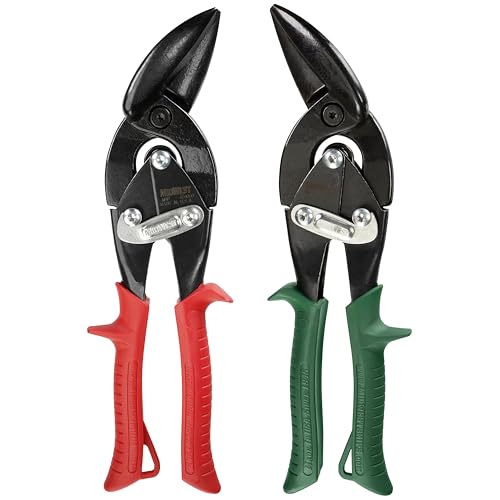
Midwest Blackout Aviation Snips Left & Right Cut Set
Pros
- Offset design keeps your hand elevated and away from sharp edges and work surface
- Molybdenum steel blades maintain sharpness and cut with noticeably less hand fatigue
- Two-piece set gives you both left and right cutting options for any curve direction
- Black oxide finish provides excellent corrosion resistance for garage and outdoor storage
- American-made construction ensures reliable performance and long tool lifespan
Cons
- No reviews currently available, so real-world durability feedback from homeowners is limited
- Offset design works best for sheet metal and trim work; may not be ideal for general-purpose cutting tasks
The Midwest Blackout Series Aviation Snips represent a solid choice for homeowners and DIYers who work regularly with sheet metal, gutters, flashing, and trim materials. The two-piece set includes both left and right offset snips, which means you get the correct cutting direction regardless of which way you approach the material. This is a significant advantage over single-snip sets, as it reduces awkward hand positioning and improves cut accuracy.
The engineering behind these snips is straightforward but effective. Hot drop-forged molybdenum alloy steel blades are austemper heat-treated and coated with black oxide, a process that hardens the steel while preventing rust and corrosion. The offset handle design keeps your knuckles elevated and clear of the work surface, reducing hand strain during extended cutting sessions. The Kush'N-Power grips are chemical-resistant and textured to prevent slipping, even when your hands are slightly damp or dirty from jobsite work.
What sets these apart is the pinch-through-point cutting technology, which means the blades maintain cutting power from the tip all the way to the handle. This allows you to make precise notch cuts without having to reposition the snips multiple times. The 20% reduction in cutting effort compared to standard snips translates to less hand fatigue and faster work. As a USA-made tool backed by premium materials and construction, these snips should provide years of reliable service in your workshop or toolbox.
| Specification | Detail |
|---|---|
| Brand | Midwest Snips |
| Model | MWT-6510CO-NP |
| Series | Blackout Series |
| Set Contents | 2-piece offset snip set (left and right cut) |
| Blade Material | Hot drop-forged molybdenum alloy steel |
| Heat Treatment | Austemper heat-treated |
| Blade Coating | Black oxide (rust and corrosion resistant) |
| Cutting Capacity | 18 gauge cold-rolled steel |
| Cutting Effort | 20% less effort than standard snips |
| Handle Design | Offset design with Kush'N-Power grips |
| Grip Material | Chemical-resistant, slip-free |
| Cutting Feature | Pinch-through-point cuts from tip to handle |
| Manufacture | Made in the USA |
| Best For | Sheet metal, gutters, flashing, trim, straight and curved cuts |
Selecting the Right Snip: Use the right-cut snip when cutting curves that bend to your right, and the left-cut snip for curves bending to your left. For straight cuts, either snip works equally well.
Proper Grip and Positioning: Hold the snips with a firm but relaxed grip. The offset handle design naturally keeps your hand elevated. Position the material near the middle of the blade for maximum cutting power. For long cuts, work in a smooth, continuous motion rather than making multiple short snips.
Making Notch Cuts: The pinch-through-point technology allows you to start cutting at the tip of the blade and continue all the way to the handle without repositioning. This is especially useful for creating precise notches in sheet metal or trim without leaving burrs or rough edges.
Maintenance: After each use, wipe the blades clean of metal shavings and debris. Store in a dry location. The black oxide coating provides corrosion resistance, but occasional light oil on the pivot point keeps the snips operating smoothly.
Sharp Blades Require Respect: These snips have sharp, hardened steel blades designed to cut metal. Always treat them as sharp tools. Keep fingers clear of the cutting line and never point the snips toward yourself or others.
Secure Your Material: Always clamp or secure the material you're cutting. Never hold small pieces in your hand. This prevents the material from slipping and your hand from accidentally coming into contact with the blades.
Wear Cut-Resistant Gloves: When working with sheet metal, wear cut-resistant gloves rated for metal handling. Metal edges created during cutting are extremely sharp and can cause serious lacerations.
Eye Protection: Wear safety glasses when cutting metal. Small metal shavings and burrs can fly during the cutting process and potentially injure your eyes.
Hand Position: Keep your non-cutting hand well clear of the blade path. The offset design helps with this, but always maintain awareness of blade position throughout the cut.
Reduce Blade Binding: When making long cuts, occasionally open and close the snips fully without applying pressure. This clears metal shavings from the blade pivot and reduces binding, which makes cutting easier and extends blade life.
Angle Your Approach: For curved cuts, approach the material at a slight angle rather than dead-on. This reduces strain on your hand and gives you better control over the cut line. The offset design makes this positioning more comfortable than with straight-handle snips.
Start with the Tip: Begin cuts at the tip of the blade where the mechanical advantage is greatest. As you work toward the handle, you'll have more cutting power available for tougher sections of material.
Maintain Your Blades: Every few months, apply a light machine oil to the pivot point and blade surfaces. This prevents rust on the blade edges and keeps the cutting action smooth. Wipe away excess oil before storing.
Know Your Limits: These snips are rated for 18-gauge cold-rolled steel. Attempting to cut thicker material can damage the blades or dull them prematurely. Respect the tool's design specifications for best results.
Pros
- Reliable cutting performance on thin sheet metals and aluminum without excessive force
- Comfortable, secure grip reduces hand strain during repetitive cutting tasks
- Durable Cr-V blades maintain sharpness and resist corrosion with proper maintenance
- Safety latch and self-opening spring improve control and workshop safety
- Excellent value for homeowners and DIYers who need occasional metal cutting capability
Cons
- Not designed for tight circles, sharp angles, or hardened steel, limiting versatility for complex cuts
- Requires periodic maintenance (oiling the pivot) to keep blades operating smoothly and prevent rust
The Hurricane 10-inch Aviation Tin Snips are purpose-built for homeowners and DIYers who need reliable straight-cut capability on sheet metal projects. The Cr-V steel blades feature micro-serrations that grip the material securely, preventing the slipping and chattering that can occur with smoother blades. This design works well for gutter repairs, HVAC duct work, aluminum flashing, and general sheet metal fabrication where straight lines and gentle curves are the primary cutting requirements.
Comfort and control are central to this tool's design. The non-slip Tyregrip handle provides a secure grip during extended use, and the self-opening spring mechanism reduces hand fatigue by automatically returning the blades to the open position. The manual safety latch keeps the blades locked when not in use, a practical safety feature for workshop storage. The built-in hanging hole makes organization easy, and the 10-inch length provides good leverage for cutting through materials up to 20-gauge cold rolled steel and 22-gauge stainless steel.
These snips perform best on thin, soft metals and are not intended for hardened steel, metal rods, wire mesh, or tight circular cuts. Like any quality cutting tool, they benefit from occasional maintenance. Applying light oil to the pivot point periodically keeps the action smooth and prevents rust. Wearing cut-resistant gloves during use is recommended for safety. For homeowners handling typical metal cutting tasks around the house, these snips offer solid durability and dependable performance at an accessible price point.
| Feature | Detail |
|---|---|
| Brand | HURRICANE |
| Length | 10 inches |
| Blade Material | Chrome Vanadium (Cr-V) Steel with Micro-Serrations |
| Cutting Capacity | Up to 20-gauge cold rolled steel; 22-gauge stainless steel |
| Cut Style | Straight cuts and gentle curves |
| Handle Type | Non-slip Tyregrip |
| Safety Feature | Manual safety latch |
| Spring Action | Self-opening spring mechanism |
| Storage | Built-in hanging hole |
| Recommended Use | Sheet metal, aluminum, gutters, HVAC ducts, DIY projects |
| Not Recommended For | Hardened steel, metal rods, wire mesh, tight circles, sharp angles |
Preparing the Tool: Before your first use, ensure the safety latch is disengaged and the blades move freely. Wear cut-resistant gloves to protect your hands from sharp edges and metal shavings.
Positioning Your Cut: Mark your cutting line clearly on the metal. Position the snips so the blades straddle the line, with the cut running down the center of the blade length. This ensures even pressure and a clean cut. Start the cut at the tip of the blades and work toward the handles, using smooth, controlled squeezes rather than forcing the handles together.
Executing the Cut: Apply steady, even pressure as you close the handles. These snips are optimized for straight lines and gentle curves, so avoid trying to force tight circles or sharp angles. After each cut, release the handles fully to allow the self-opening spring to return the blades to the open position. When finished, engage the safety latch to secure the blades and store the tool on its hanging hole or in a designated spot.
Personal Protection: Always wear cut-resistant gloves when using these snips. Metal edges created during cutting are extremely sharp and can cause serious lacerations. Consider wearing safety glasses to protect your eyes from metal shavings and debris.
Proper Technique: Never use these snips on materials outside their rated capacity, such as hardened steel, metal rods, or wire mesh. Forcing the tool beyond its design limits can damage the blades, cause them to slip, or result in loss of control. Keep your hands clear of the blade path and never reach across the cutting line.
Storage and Maintenance: Always engage the safety latch before storing the snips to prevent accidental cuts. Store the tool in a dry location to prevent rust. Keep the pivot point lightly oiled to ensure smooth operation and prevent corrosion. Inspect the blades periodically for damage or dullness, and discontinue use if the blades become chipped or bent.
Maintenance for Longevity: The key to keeping these snips performing well is regular, light maintenance. Apply a small amount of light machine oil to the pivot point every few months, or more frequently if you use the tool regularly. This keeps the blades moving smoothly and prevents rust from forming on the metal surfaces. Wipe away any excess oil with a clean cloth to avoid attracting dirt and debris.
Cutting Technique for Clean Results: For the cleanest cuts, use smooth, controlled squeezing motions rather than rapid or forceful pumping. Let the sharp blades do the work. If you feel significant resistance, stop and check that you're cutting within the tool's capacity. Making multiple partial cuts along a line is better than forcing the snips through material they're not designed to handle.
Best Applications: These snips excel at gutter repair, flashing installation, HVAC duct work, and general sheet metal fabrication. They're also ideal for cutting aluminum trim, copper sheeting, and thin steel. If your project involves tight curves, sharp angles, or hardened materials, consider a different tool designed for those specific tasks. Having the right tool for the job makes the work faster, safer, and produces better results.
Pros
- Compound action mechanism significantly reduces hand strain and cutting effort
- Induction-hardened blades maintain sharpness through heavy-duty metal cutting
- Thoughtful ergonomic design with anti-slip handle fits naturally in the hand
- Offset blade design provides excellent visibility and control for precise work
- Heavy-duty construction from drop-forged steel ensures long-term durability
Cons
- No reviews available yet, so real-world user feedback is limited
- Best suited for metal cutting; not ideal for softer materials like vinyl or plastic
The SK 10-inch bent compound tin snips represent a solid mid-range option for homeowners and DIYers who regularly work with sheet metal, aluminum flashing, or ductwork. The compound joint mechanism is the standout feature here, genuinely reducing cutting effort by approximately 40% compared to standard snips. This leverage advantage makes a meaningful difference during extended cutting sessions, particularly when working with thicker gauge materials where hand fatigue becomes a real concern.
Construction quality appears robust across the board. The drop-forged high-carbon steel blades are induction-hardened, which means they're heat-treated to maintain sharpness through intensive use on challenging materials. The offset blade design isn't just a cosmetic choice; it provides genuine practical benefits by keeping your hand and knuckles clear of the work surface while improving visibility of your cut line. The anti-slip teeth on one blade edge grab materials securely, preventing the frustrating slippage that can derail precision work.
The ergonomic handle design incorporates anti-slip texturing and curves that accommodate natural hand positioning, reducing fatigue during longer projects. Center bolt locking technology keeps the blades stable during use, and laser-etched markings on the blade help guide accurate length cuts. While the product lacks user reviews to draw from, the engineering and material choices suggest these snips will handle demanding metal-cutting tasks reliably for years with proper care.
| Specification | Details |
|---|---|
| Brand | SK |
| Blade Length | 10 inches |
| Blade Type | Bent, Offset |
| Material | High-Carbon Steel, Drop-Forged |
| Blade Treatment | Induction-Hardened |
| Joint Design | Compound Action |
| Locking Mechanism | Center Bolt |
| Handle Design | Ergonomic, Anti-Slip |
| Blade Features | Anti-Slip Teeth, Laser-Etched Markings |
| Primary Use | Metal Cutting (Sheet Metal, Aluminum, Ductwork) |
| Leverage Advantage | Up to 40% Easier Cutting vs. Standard Snips |
Proper Grip and Positioning
Hold the snips with a firm grip on the ergonomic handles, allowing your fingers to rest naturally in the contoured design. Position the material to be cut so the blades align perpendicular to the metal surface. The offset blade design keeps your hand elevated above the work, so take advantage of this by keeping the snips flat against your material for straight, accurate cuts.
Cutting Technique
Use smooth, controlled squeezing motions rather than jerky or forceful movements. The compound joint mechanism does much of the work for you, so let it do its job. For long straight cuts, guide the snips along your cut line smoothly. For trim cuts or curves, make multiple overlapping cuts rather than forcing a single cut through tight angles. Allow the laser-etched markings to guide your length cuts for consistency.
Material Compatibility
These snips excel with sheet metal, aluminum, copper, tin, and light-gauge steel. They handle both straight cuts and curved cuts effectively. Avoid forcing them through materials thicker than the snips are designed for, as this stresses the blades and can cause premature dulling. Clean the blades occasionally during use to remove metal shavings that might interfere with blade closure.
Blade Safety
The blades on these snips are sharp by design and will cut skin as easily as metal. Always keep your free hand and fingers clear of the blade path. Never force the snips or use them as a prying tool, as this can damage the blades or cause them to slip unexpectedly. Ensure the center bolt is properly tightened before each use to prevent blade separation during cutting.
Material Handling
Metal edges created by cutting are sharp and can cause serious cuts. Wear work gloves when handling freshly cut metal pieces, and be aware of burrs and rough edges. Never attempt to catch falling metal pieces; let them fall safely. Keep the work area clear of clutter to maintain balance and control while cutting.
Storage and Maintenance
Store the snips in a dry location to prevent rust and corrosion. Keep the blades clean and dry between uses. Periodically wipe the blades with a light machine oil to maintain sharpness and prevent oxidation. Never leave the snips in a position where someone could accidentally contact the sharp blades. Keep them out of reach of children.
Maximize Cutting Efficiency
The compound leverage advantage means you don't need to squeeze as hard as you would with standard snips. Use controlled, steady pressure rather than maximum force. This approach actually produces cleaner cuts and reduces hand fatigue significantly. For thicker materials, make multiple passes if needed rather than straining the snips with a single aggressive cut.
Maintain Blade Sharpness
Periodically clean the blades to remove metal residue and oxidation that can dull them over time. A light wipe with a clean cloth and a touch of machine oil keeps the blades in top condition. If you notice the snips requiring more pressure than usual, it's time for maintenance. Avoid cutting materials outside the snips' intended range, as this accelerates blade wear.
Precision Cutting Techniques
Use the laser-etched markings as your guide for length cuts, but mark your material with a permanent marker or scribe line for added accuracy. The offset blade design allows you to see your cut line clearly, so take advantage of this visibility. For curved cuts in sheet metal, make gradual curves rather than sharp angles, which reduces strain on the snips and produces cleaner results. Practice on scrap material first if you're new to tin snips.
Buying Guide: How to Choose Tin Snips
Picking the right pair of tin snips comes down to understanding a handful of key factors. The market breaks into several distinct types, each suited to specific cutting scenarios. Getting these basics right means less fatigue, cleaner cuts, and a tool that lasts. If you are building out a broader hand tool collection, a quality set of pliers ranked for grip and durability pairs naturally with sheet metal work.
Cut Direction: Straight, Left, and Right
This is the single most important decision most buyers overlook. Tin snips are not universal. Straight-cut snips follow a direct line and handle wide, gentle curves on flat stock. Left-cut aviation snips (typically color-coded red) curve to the left, making them the go-to for cutting circles and curves where the waste material curls away to the right. Right-cut snips (green handles) do the opposite and are preferred for long right-curving cuts along roofing or ductwork.
Offset or upright snips add a bent neck between the handle and blade so your knuckles stay above the metal surface during flat sheet cutting, which dramatically reduces hand fatigue on longer runs. If you are purchasing a single pair for general use, a quality straight-cut model handles the majority of household tasks. For HVAC, roofing, or complex sheet metal fabrication, buying a matched left-right-straight set is worth the investment.
Blade Material and Gauge Capacity
Nearly all worthwhile tin snips use Chrome Vanadium (Cr-V) or high-carbon alloy steel blades. Cr-V is the standard across most mid-range and premium options because it holds an edge well under repeated cutting stress and resists corrosion better than plain carbon steel. Drop-forged blades add further durability because the forging process aligns the grain structure of the steel, making the blade tougher and less prone to chipping along the cutting edge.
Gauge capacity matters enormously. Most straight-cut snips handle up to 18 to 20 gauge cold-rolled steel and up to 22 gauge stainless steel. Aviation snips with compound-action mechanisms can push into heavier gauges because compound leverage multiplies the force you apply at the handles. Always verify the manufacturer’s stated gauge rating before cutting harder or thicker material, as forcing snips beyond their design capacity dulls blades quickly and risks injury.
Compound Action vs. Standard Pivot
Standard tin snips use a single pivot point, much like heavy-duty scissors. They work well for lighter gauges and shorter cutting runs. Compound-action snips add an additional pivot or linkage mechanism that multiplies the mechanical advantage at the blade, allowing you to cut thicker metal, multiple layers, or tougher alloys with noticeably less hand strain. If you will be cutting metal for extended periods or regularly dealing with stainless steel, compound action is worth prioritizing even at a higher price point. This same principle of mechanical advantage applies to other hand tools like wrench sets designed for home, garage, and auto repairs.
Handle Ergonomics and Safety Latch
Handle design directly affects how long you can use the tool before fatigue forces a break. Look for handles with a soft, non-slip grip material, a wide enough loop to accommodate gloved hands, and a spring-return mechanism that opens the blades automatically after each cut. Most quality snips include a safety latch that locks the blades closed for storage and transport. This is not optional if the snips will live in a toolbox alongside other tools, since open blades can nick hands during retrieval and dull quickly if they contact metal edges accidentally. Ergonomic tool design is equally important for other precision hand tools like screwdriver sets worth owning and hex key sets for every fastener.
Blade Length and Overall Size
Shorter blades (roughly 8 inches overall) offer more control for intricate cuts, tight curves, and work in confined spaces. Longer snips (10 to 12 inches overall) cover more material per stroke, reducing the number of individual bites required on straight cuts and speeding up work on large sheets. For most homeowners and DIY users, a 10-inch model hits the sweet spot between control and cutting speed. Trade professionals dealing with ductwork or large metal panels frequently keep both a compact and a longer pair on hand.
Budget vs. Professional Grade
Budget tin snips in the entry-level price range cover occasional household use well enough, especially for aluminum, thin galvanized steel, and vinyl flashing. Mid-range options add better blade steel, improved ergonomics, and heavier-duty construction that holds up to regular use on a wider range of materials. Professional-grade snips, such as the MIDWEST Blackout Series aviation snip featured in our lineup, are manufactured in the USA, carry significantly tighter tolerances on blade alignment, and are designed for daily commercial use in HVAC, roofing, and metal fabrication trades. Spending more at the professional level makes financial sense only if you are doing this work regularly. For the occasional project, a well-built mid-range pair is entirely sufficient. The same logic applies when building out the rest of your hand tool kit, whether that means combination squares ranked for accuracy or reliable chisel sets for woodworking and home projects.
Serrated vs. Smooth Blades
Serrated blades grip the metal as they cut, reducing slippage and helping maintain a straight cut line on slick or oily sheet surfaces. Most aviation snips use micro-serrated blades for this reason. Smooth blades leave a cleaner edge with less distortion on the metal surface, which matters when appearance or edge quality is important. For most structural applications like ductwork and flashing, serrated is the practical choice. For decorative metalwork or cuts where the finished edge will be visible, smooth blades or a deburring step afterward is preferable.
Why Trust HomeThru
HomeThru is an independent editorial platform with no commercial relationship to any brand or retailer. We do not sell products, process orders, or handle warranties. Our recommendations are based entirely on independent research: we analyze verified buyer reviews at scale, cross-reference professional trade opinions, study manufacturer specifications in detail, and compare how products perform relative to their stated claims across multiple sources. Every product in our lineup was evaluated against the same set of criteria before making the final cut. We apply this same rigorous editorial standard across every category we cover, from tape measures ranked for accuracy and durability to top claw hammers for framing and DIY to spirit levels that keep projects perfectly plumb.
Final Thoughts
Sheet metal cutting is one of those tasks where having even a modestly better tool makes the job noticeably more pleasant and more precise. The five options we evaluated cover the full range from affordable everyday DIY snips to professional compound-action aviation tools, and each one earns its place in the lineup based on specific strengths. Here is how we would summarize the standouts:
- Best Overall Value: HURRICANE 10 inch Aviation Tin Snips deliver reliable straight-cut performance on thin sheet metal, aluminum, and gutters at an entry-level price point, backed by thousands of positive verified reviews.
- Best for Professional and Daily Use: MIDWEST Blackout Series Aviation Snip is made in the USA with commercial-grade tolerances, offering left-and-right offset capability and the kind of long-term durability that serious tradespeople depend on.
- Best Budget Pick for Beginners: WORKPRO 8 Inch Aviation Snips provide a compact, safety-latched, straight-cut option with Cr-V blades at the most accessible price in the group, ideal for occasional home projects.
- Best for Heavy-Gauge Straight Cuts: TOOLMAK Tin Snips 12 Inch bring extra reach and a comfort-grip handle to straight pattern cutting on heavier sheet stock, making them a smart choice for larger projects where blade length speeds up the work.
- Best Compound-Action Pick: SK 10 inch Bent Compound Action Tin Snips combine drop-forged blades, a bent neck for knuckle clearance, and compound leverage in a single tool suited to users stepping up from standard snips.
Whichever pair you choose, proper maintenance extends blade life significantly. Wipe blades clean after each use, apply a light oil to the pivot point occasionally, and always store the snips with the safety latch engaged. For a complete sheet metal and general fabrication toolkit, pairing your snips with wire strippers ranked for precision and a solid set of bench grinders for workshop versatility rounds out what you need for most metal-related home projects. If you are working on larger power-assisted tasks, top-rated cordless drills for home repairs and air compressors ranked for power and portability are natural additions to the shop.
Frequently Asked Questions
What is the difference between tin snips and aviation snips?
Traditional tin snips use a simple pivot design similar to heavy scissors and are best for straight cuts on lighter gauges of sheet metal. Aviation snips were originally developed for aircraft skin work and typically feature compound-action mechanisms, offset blades, and color-coded handles to indicate cut direction (yellow for straight, red for left, green for right). Aviation snips handle a wider variety of cuts and tougher materials with less hand fatigue than standard tin snips, making them the preferred choice for most trade and serious DIY applications.
How do I keep tin snip blades sharp?
Wipe the blades with a clean rag after every use to remove metal filings and debris. Apply a drop of light machine oil to the pivot bolt periodically to keep the action smooth and prevent corrosion at the joint. Avoid cutting materials beyond the tool’s stated gauge capacity, since forcing blades through material that is too thick is the leading cause of edge damage. If blades become dull, a professional tool sharpener can restore them, or the tool can be disassembled and blades replaced on many higher-end models. A set of drill presses compared for workshop use can assist with blade maintenance jigs if you do a lot of tool upkeep in the shop.
Can tin snips cut stainless steel?
Yes, but stainless steel is significantly harder than mild steel or aluminum, so the gauge rating matters more. Most aviation snips with Cr-V blades can handle up to 22 gauge stainless steel. Attempting to cut thicker or harder stainless will dull the blades rapidly and can damage the pivot mechanism. For heavier stainless gauges, a compound-action model provides the extra leverage needed to cut cleanly without excessive effort or blade wear.
Which color handle should I choose for ductwork and HVAC cuts?
For HVAC ductwork, having all three colors is the professional standard: yellow or straight-cut for running long straight seams, red (left-cut) and green (right-cut) for notching corners and cutting around fittings. If budget limits you to one pair, a straight-cut model handles the majority of duct fabrication tasks, but adding a left-cut or right-cut pair for curved sections and tight corners will noticeably speed up complex installations. Pairing snips with accurate tape measures and reliable spirit levels rounds out a basic HVAC layout toolkit.
Are offset tin snips worth the extra cost?
If you regularly cut flat sheet material over extended periods, offset or bent-neck snips are worth every cent. The angled neck keeps your knuckles above the metal surface throughout a long cut, preventing the painful knuckle scraping that standard straight-handle snips cause on flat stock. For short occasional cuts, standard snips are perfectly adequate. For anyone doing roofing panels, large duct runs, or production sheet metal work, the ergonomic benefit of an offset design directly translates to less fatigue and more accurate cuts over a full workday. For related ergonomic tool upgrades, top-rated hammers for framing and DIY are worth reviewing alongside your hand tool refresh.




Write Your Review
No reviews yet. Be the first to share your experience!