

As temperatures drop and energy bills climb, a growing number of consumers are looking for alternatives to traditional central heating systems. Recent sales trends show that multi-functional climate control devices are gaining traction with budget-conscious shoppers, offering a practical way to stay comfortable without running up utility costs during the shoulder seasons.
What’s Driving the Trend Toward Flexible Heating Solutions
The appeal is straightforward: why heat an entire home when you can warm just the room you are occupying? Three-in-one devices that combine heating, cooling, and air purification are emerging as a smart middle ground between doing without and turning on the full central system. These units let you delay switching on expensive furnaces by weeks, which adds up to meaningful savings when fuel prices remain elevated.
The technology has matured considerably. Modern multi-function units now include intelligent features that automatically adjust their operation based on real-time conditions. For instance, some models ramp up their purification cycle when air quality dips and scale back to a lower power setting once the air improves. This adaptive behavior prevents wasteful full-power operation and extends the lifespan of the unit itself.
Key Features Making These Devices Practical for Home Offices and Bedrooms

Today’s combination heater and purifier models are designed to blend seamlessly into modern living spaces. Sleek, minimal aesthetics mean they look at home on a desk, in a bedroom, or in a kitchen without the bulky appearance of older fan heaters. Built-in safety features like anti-tip sensors automatically shut down the unit if it tips over, which matters for households with pets or children.
Control options have also expanded significantly. You can adjust settings using a physical top-mounted panel, a dedicated remote control, or a smartphone app that lets you schedule operation times and set location-based triggers. Some models integrate with voice assistants, so you can simply tell your smart speaker to adjust the temperature or fan speed without lifting a finger.
The app-based approach is particularly clever for remote workers. You can set the device to start warming or cooling your space before you arrive home, ensuring comfort the moment you walk through the door. This convenience factor appeals to the growing segment of people who split their time between home and office.
What This Means for Your Heating Strategy This Season
For shoppers evaluating their options, the takeaway is clear: you are no longer locked into an all-or-nothing choice between shivering through September or paying to heat the entire house. Smart thermostats and flexible heating solutions now offer middle-ground options that let you manage comfort on a room-by-room basis.
The financial case is compelling, especially during sales events. A substantial discount on a multi-function unit can bring the upfront cost down considerably, making the payback period shorter. When combined with the energy savings from avoiding central heating use, these devices can offset their purchase price within a single season.
It is worth noting that these units are not meant to replace permanent heating systems in cold climates during deep winter. Rather, they excel at extending the comfortable period before you must flip the furnace switch, and then again in spring before you are ready to close down for the season. That overlap period, when outdoor temperatures are mild but mornings and evenings feel chilly, is exactly where these hybrid devices shine.
Smart Home Integration Expanding Your Options
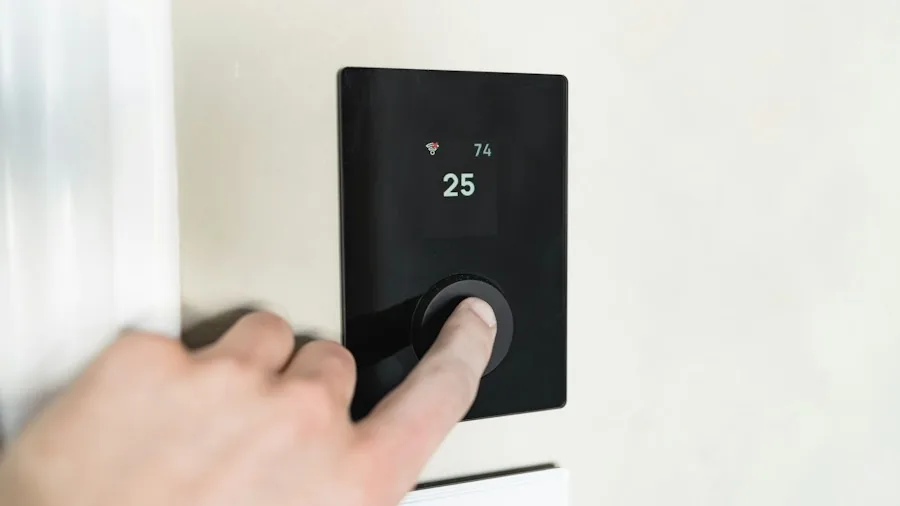
The broader smart home ecosystem continues to evolve, with more ways to automate and control your environment emerging regularly. Budget-friendly smart heating options are making it easier to build a comprehensive climate control strategy without premium-brand price tags.
Many multi-function heaters work alongside other smart devices you may already own. Compatibility with popular platforms means you can create routines that coordinate your heating, cooling, and air quality management seamlessly. For example, when you arrive home, a single command can unlock your door, adjust your thermostat, and activate air purification all at once.
Bottom Line for Shoppers
The surge in sales of multi-function climate devices reflects a genuine shift in how consumers approach home comfort. Instead of accepting the old paradigm of whole-house heating or nothing, today’s shoppers are opting for targeted, efficient solutions that keep them comfortable while respecting their budgets.
If you have been procrastinating about turning on your central heat, a well-reviewed multi-function unit may be exactly the bridge you need to get through the transitional months ahead. Look for models with automated air quality sensing, multiple control methods, and a design that fits your space. When discounts are available, the value proposition becomes even stronger, making this an ideal time to evaluate whether one of these devices could reduce your heating costs and improve your home environment simultaneously.