

The Hidden Costs of Oven Storage
Kitchen storage is tight in most homes, and it’s tempting to use every available space, including your oven. But stashing sheet pans, baking trays, and other cookware inside your oven when it’s not in use can create serious problems for both your appliance and your wallet.
An appliance expert explains that storing items in your oven impacts three critical areas: cooking performance, energy costs, and equipment longevity. Understanding these risks can help you make smarter choices about kitchen organization and protect your investment in your oven.
How Storage Reduces Cooking Performance
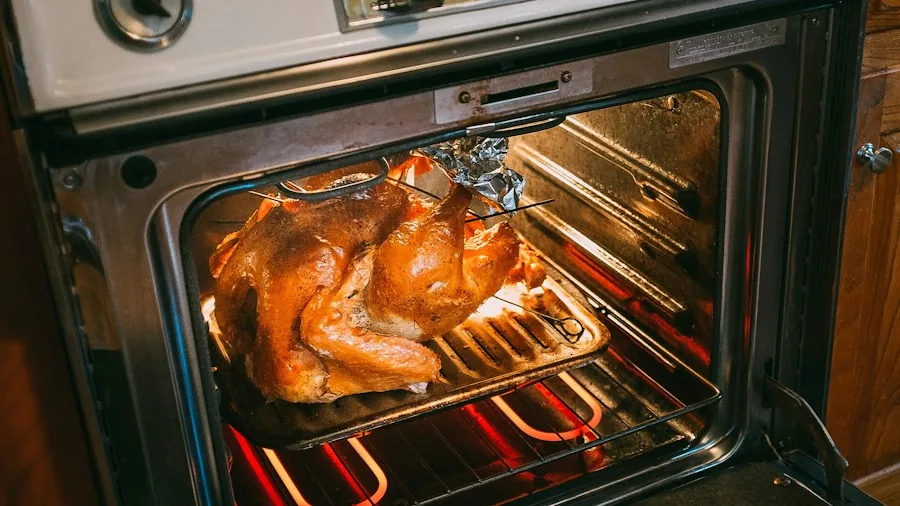
When baking trays or pans sit in your oven during use, they obstruct airflow and interfere with heat circulation. If you’re using a fan-assisted setting, a large pan on the oven floor blocks air currents from moving freely. With conventional settings, a tray on the lowest shelf absorbs heat that should distribute evenly throughout the cavity.
This obstruction forces your oven to work harder to maintain the correct temperature and cook food evenly. The result is uneven baking, longer cooking times, and frustration with your results. What should be a straightforward roasting job becomes unpredictable, and you may need to rotate pans or extend cooking times to compensate.
Your Energy Bills Will Rise
When your oven must work overtime to compensate for blocked airflow, your energy consumption increases. An electric oven using 2,000 watts costs approximately 53 cents per hour to operate, or roughly $192 annually based on standard usage patterns. If stored items force your oven to run an extra 10 minutes per cooking session, that adds about $30 to your yearly energy bill.
Over several years, this inefficiency compounds. While a single baking session may not seem costly, the cumulative effect of repeatedly stashing items in your oven can waste significant money. Given today’s focus on reducing household expenses, eliminating this habit is a straightforward way to lower your utility costs.
Accelerated Wear and Tear
The harder your oven works, the greater the strain on internal components like heating elements and fan systems. When these parts operate longer to achieve proper temperatures, they experience accelerated wear and tear, increasing the likelihood of breakdowns and expensive repairs.
Additionally, cookware that’s repeatedly exposed to heat, whether intentionally or accidentally, deteriorates over time. Trays and pans become discolored and degraded, especially if they’re not designed for prolonged high-temperature exposure. Items with plastic or rubber handles may melt or warp when heat builds up unexpectedly.
The most dangerous scenario occurs when you forget what’s stored inside and switch on your oven. Non-oven-safe items, food packaging, or household goods can melt, release toxic fumes, or even pose fire hazards. This risk grows every time you move items in and out of your oven.
Better Solutions for Kitchen Storage
If you’ve been using your oven as extra storage primarily to protect the interior from spills and splatters, consider a reusable oven liner instead. These liners sit flat on the oven floor, catch drips and splatters, and can be cleaned in your dishwasher. They’re designed to withstand oven temperatures and require no removal before cooking.
Always verify that any liner you choose is compatible with your specific oven model. Most liners last approximately six months before needing replacement, though durability varies by brand. Discard any liner showing warping, damage, or discoloration.
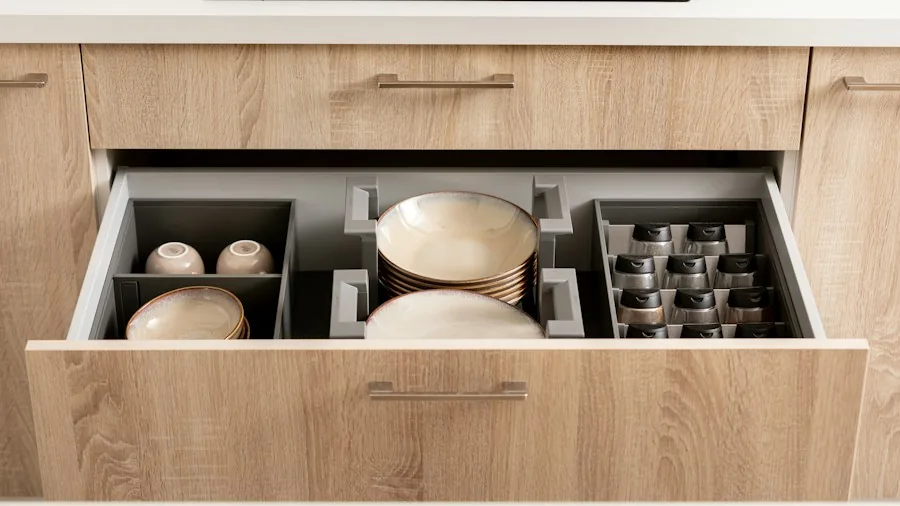
For other cookware and kitchen items, invest in dedicated storage solutions. Drawer dividers, vertical organizers, and cabinet risers help maximize your existing space without relying on your oven. The minor investment in proper storage pays dividends by keeping your oven running efficiently and protecting your cookware from unnecessary damage.
If you’re looking to upgrade your cooking capabilities, learn about how microwaves and ovens compare for specific tasks, or explore oven techniques that deliver restaurant-quality results.
The Bottom Line
Clearing your oven of stored items is a simple habit that yields measurable benefits. Your oven will cook more efficiently, your energy bills will decrease, and your appliance will last longer with fewer repairs. Your cookware will also remain in better condition when it’s stored properly and not subjected to repeated unintended heating.
Take time this week to relocate any items currently sitting in your oven. Find each piece a permanent home in a cabinet, drawer, or storage area. Your future self will appreciate the lower energy bills, better cooking results, and the peace of mind that comes from knowing your oven is ready to use safely at any moment.





