

Understanding the Insulation Landscape for Your Home Project
Insulation is one of the most critical decisions you’ll make during any home construction or renovation. Yet many buyers feel overwhelmed by the sheer number of options, technical specifications, and competing claims in the marketplace. The good news is that by understanding a few core factors, you can make a confident choice that protects your investment and keeps your home comfortable for years to come.
The Essential Metrics: R-Value, Cost, and Permeability
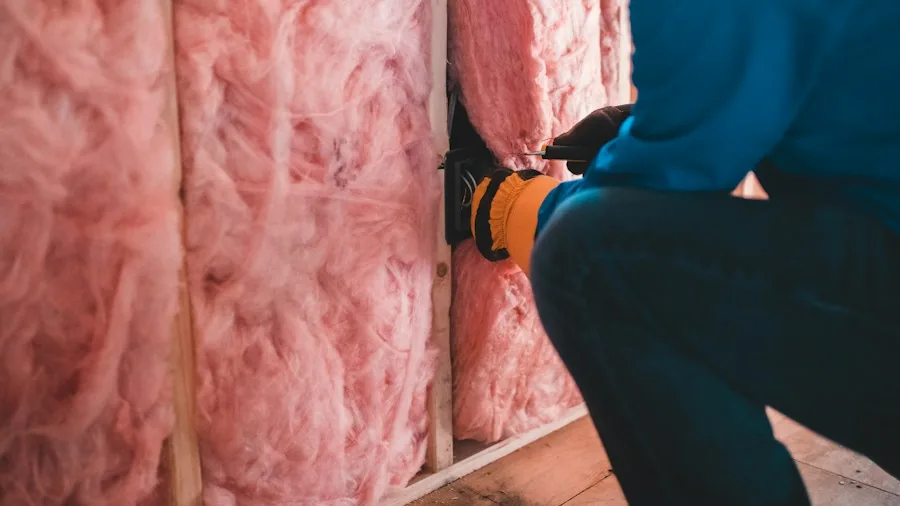
When shopping for insulation, three factors consistently rise to the top of the decision-making process. First is R-value, which measures how effectively a material resists heat transfer. Higher R-values offer better thermal performance, but they also typically cost more. Your climate zone and local building codes will determine what R-value range makes sense for your walls, attic, and basement.
Cost is equally important. Insulation represents a substantial line item in any building budget, and prices vary dramatically across material types. Some premium options deliver superior performance but require a larger upfront investment, while budget-friendly choices may work perfectly well for certain applications.
Permeability, often overlooked by first-time buyers, refers to how easily moisture can pass through the material. This property directly affects your home’s ability to manage humidity and prevent water damage. Different climates demand different permeability profiles, so this isn’t a one-size-fits-all consideration.
Exploring Your Material Options
The insulation market offers far more variety than most shoppers realize. Traditional fiberglass batts remain popular due to low cost and ease of installation, but they’re far from your only choice. Mineral wool batts provide superior fire resistance and sound dampening. Spray foam creates an airtight seal that traditional batts cannot match, though it comes with a higher price tag.
Newer materials like wood fiber insulation have emerged as a compelling option for environmentally conscious builders and homeowners. Wood fiber combines excellent thermal performance with natural breathability and renewable sourcing. For those prioritizing energy efficiency and fire safety, proper roof ventilation paired with quality insulation creates a complete thermal envelope, making it worth exploring complementary products that work together.
Installation Matters as Much as the Product Itself
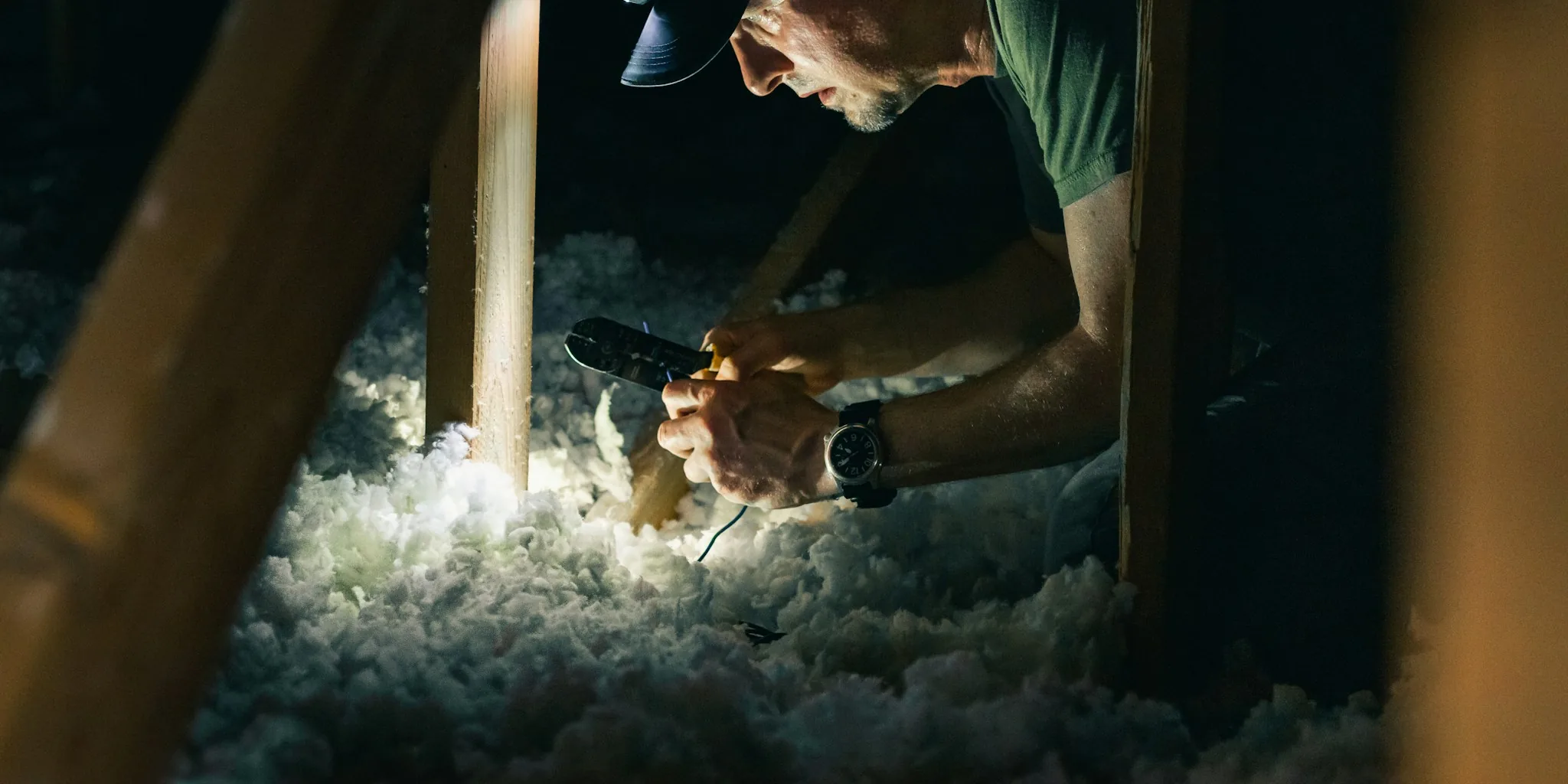
Choosing premium insulation means nothing if installation is poor. Gaps, compression, and moisture exposure all undermine even the best products. This is why many experts recommend hiring experienced professionals for critical applications, particularly in attics, crawlspaces, and foundation areas.
If you’re planning a DIY approach, invest in proper safety equipment. A full-face respirator prevents irritation far better than disposable masks, especially during prolonged work. Protective clothing that covers your entire body keeps you clean and protects your skin. Even when using power tools, having manual backup equipment on hand ensures you can work efficiently without becoming fatigued.
Matching Materials to Specific Locations

Different areas of your home have different needs. Attic insulation faces extreme temperature swings and must handle moisture from below. Garage insulation requires balance between thermal performance and fire safety considerations, especially if you share a wall with living spaces. Basement and crawlspace insulation must resist moisture intrusion while maintaining R-value in damp conditions.
Wall insulation presents its own challenges, particularly in retrofit situations where you’re upgrading existing homes without removing exterior siding. The permeability question becomes critical here, since trapped moisture can lead to mold and structural damage over time.
What This Means for Your Next Project
Before purchasing insulation, take time to research your local climate zone and building code requirements. Understand the R-value minimums for each area of your home. Calculate the square footage you need to cover and get quotes from multiple suppliers to compare total costs.
Consider hiring a professional for a consultation, particularly if you’re building a high-performance home or upgrading an older structure. Understanding your attic environment also helps prevent future problems like pest damage, which can compromise insulation integrity.
The insulation you choose today will affect your energy bills, comfort levels, and home value for decades. Taking the time to evaluate all available options, understand the technical specifications, and plan for proper installation ensures you make the best decision for your specific situation and budget. The market offers excellent choices at every price point, so informed shoppers can achieve both performance and value.





