

When the power goes out or the temperature drops to dangerous lows, a reliable indoor propane heater can be the difference between a comfortable home and a genuinely dangerous one. The best propane heaters for indoors combine safe low-oxygen shutoff technology, efficient BTU output, and portability that lets you heat the room you actually occupy rather than the whole house. Whether you need a compact buddy-style heater for a small cabin, a vent-free wall-mounted radiant unit for a workshop, or a high-output forced-air heater for a large garage space, there is an option in this lineup that fits the job.
Our editorial team at HomeThru independently researched and analyzed dozens of propane heaters, cross-referencing thousands of verified buyer reviews, manufacturer specifications, and safety certifications to narrow the list to ten standout models. Every product here is rated by real users and carries the kind of consistent feedback that signals long-term reliability. For households also thinking about carbon monoxide detectors to pair with any fuel-burning appliance, that pairing is essential and should never be skipped.
Pros
- Emergency low oxygen safety system prevents dangerous carbon monoxide buildup indoors
- Adjustable 4,000 or 9,000 BTU output lets you balance comfort with fuel economy
- Portable design with compact footprint fits easily into garages, sheds, job sites, and outdoor spaces
- Affordable propane fuel and long runtime on low setting keep operating costs down
- Durable construction with self-extinguishing materials meets safety standards for indoor and outdoor use
Cons
- Limited to 225 square feet of heating coverage, so larger spaces may not reach desired temperatures
- Short runtime on high setting (2.4 hours) means frequent refueling if you need maximum heat output
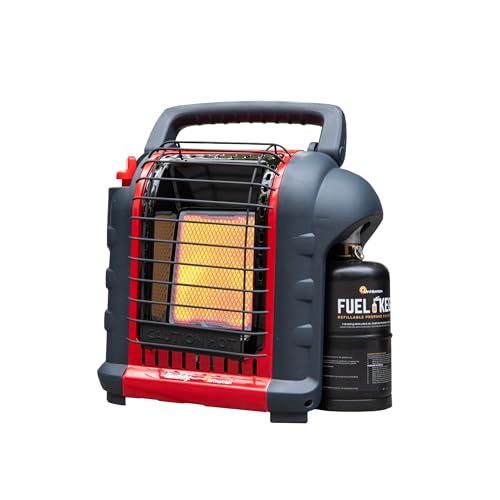
The Mr. Heater Portable Buddy is a straightforward propane space heater built for homeowners and DIYers who need flexible, temporary heating without installation hassles. Its dual heat settings (4,000 and 9,000 BTU) let you balance warmth output with fuel consumption, while the compact, portable design means you can move it between your garage, workshop, patio, or storage shed as needed.
Safety is a core strength of this heater. The low oxygen safety system automatically shuts off the unit if indoor oxygen levels drop dangerously low, a critical feature for enclosed spaces. The self-extinguishing materials add another layer of protection. These features make it a responsible choice for both indoor workshops and outdoor use, though proper ventilation is always important when using any propane heater indoors.
Runtime and efficiency depend on which heat setting you choose. On low (4,000 BTU), a 1 lb propane cylinder lasts 5.4 hours, making it economical for all-day use. On high (9,000 BTU), you get 2.4 hours of runtime, so plan for more frequent refueling if you need maximum output. The 225 square foot coverage area works well for typical garages and workshops but may struggle to heat larger spaces evenly.
| Specification | Details |
|---|---|
| Heat Output | 4,000 BTU (low) or 9,000 BTU (high) |
| Coverage Area | Up to 225 square feet |
| Fuel Type | Propane (1 lb cylinder) |
| Runtime (Low) | 5.4 hours per 1 lb cylinder |
| Runtime (High) | 2.4 hours per 1 lb cylinder |
| Heat Type | Radiant |
| Temperature Settings | 2 (Low and High) |
| Indoor/Outdoor Approved | Yes (both) |
| Safety Features | Low oxygen shutoff system, self-extinguishing materials |
| Warranty | Manufacturer warranty (see documentation for details) |
Indoor Use
- Always ensure adequate ventilation when using indoors. Open a window or door to allow fresh air circulation and prevent carbon monoxide buildup.
- Never block the heater's air intake or exhaust vents.
- Keep the heater at least 3 feet away from walls, furniture, curtains, and flammable materials.
- Do not use in bedrooms or sleeping areas without proper ventilation.
- Check that the low oxygen safety system is functioning before each use.
Outdoor Use
- Place the heater on a stable, level surface away from wind that could disrupt the flame.
- Keep it away from water, moisture, and wet conditions.
- Ensure proper clearance from structures and combustible materials.
Propane Cylinder Safety
- Only use authorized 1 lb propane cylinders as specified by the manufacturer.
- Do not use unauthorized accessories or attachments, which can cause serious injury and void the warranty.
- Store cylinders upright in a cool, well-ventilated area away from heat sources.
- Never attempt to refill 1 lb cylinders yourself; exchange them for new ones.
Setup and Operation
- Place the heater on a stable, level surface in your desired location (garage, workshop, patio, etc.).
- Ensure the area has adequate ventilation, especially for indoor use.
- Attach a 1 lb propane cylinder to the heater's connection point, ensuring it is secure.
- Turn the control dial to your desired heat setting: Low (4,000 BTU) or High (9,000 BTU).
- The heater will ignite and begin emitting radiant warmth within seconds.
- Adjust the setting as needed to reach your comfort level.
Shutting Down
- Turn the control dial to the OFF position.
- The heater will automatically shut off.
- Allow the unit to cool before moving or storing it.
- Disconnect the propane cylinder if you plan to store the heater for an extended period.
Refueling
- When the propane cylinder is empty, disconnect it by turning the connection counterclockwise.
- Replace it with a fresh 1 lb propane cylinder.
- Reconnect and resume operation.
Is This Heater Right for You?
The Mr. Heater Portable Buddy is ideal if you need occasional or temporary heating for a specific space. It works well for garages, workshops, job sites, camping trips, outdoor patios, and storage areas. Its portability and lack of installation requirements make it perfect for renters or homeowners who want flexible heating without permanent modifications.
Consider Your Space
With coverage up to 225 square feet, this heater suits small to medium spaces. If your garage or workshop is significantly larger, you may need multiple units or a higher-capacity heater. For very large spaces, a permanent heating system might be more practical.
Fuel Costs and Availability
Propane cylinders are widely available at hardware stores, home improvement centers, and retailers. The cost per cylinder is modest, but frequent refueling on high settings can add up. The low setting offers better fuel economy if you're willing to accept slower heating.
Safety Considerations
The low oxygen shutoff system is a major safety advantage for indoor use, but it does not eliminate the need for proper ventilation. Never use this heater as a primary heating source in a sealed room. Always ensure fresh air circulation when operating indoors.
Warranty and Support
Review the manufacturer's warranty documentation before purchase. Only use authorized propane cylinders and approved attachments to maintain warranty coverage. Unauthorized modifications will void your warranty and may create safety hazards.

Pros
- Operates without electricity, making it reliable during power outages
- No venting installation means quick setup in almost any indoor space
- Adjustable thermostat reduces manual adjustments and propane consumption
- Safety features include automatic low-oxygen shut-off for peace of mind
- Compact and portable for flexible placement and seasonal storage
Cons
- Restricted to elevations below 4,500 feet, limiting use in high-altitude areas
- Blower fan kit sold separately, adding extra cost if you want improved air circulation
The Mr. Heater 30,000 BTU vent-free propane heater is a solid choice for homeowners and DIYers who need supplemental or emergency heating without the complexity of vented installation. The unit's ability to operate independently of electricity makes it particularly valuable during power outages, and the battery-operated electronic ignition means you're never left in the cold when the grid goes down.
What sets this heater apart is its practical design for real-world use. The built-in adjustable thermostat eliminates constant manual tweaking, automatically cycling the burner to maintain your desired temperature. The low-oxygen safety shut-off is a critical feature that automatically shuts down the unit if oxygen levels drop too low, addressing a legitimate concern with vent-free heating in tight spaces. For spaces up to 1,000 sq. ft., the 30,000 BTU output provides meaningful warmth without oversizing.
Keep in mind that this unit requires adequate ventilation and works best as supplemental heat rather than a primary system. The separate blower fan kit is worth considering if you want faster, more even heat distribution throughout your space. Buyers in high-altitude areas above 4,500 feet should look for alternative solutions, as this model is restricted to lower elevations.
| Specification | Details |
|---|---|
| BTU Output | 30,000 BTU/hour |
| Coverage Area | Up to 1,000 sq. ft. |
| Ignition Type | Battery-operated electronic |
| Battery Included | Yes |
| Thermostat | Built-in adjustable |
| Electricity Required | No |
| Venting Required | No |
| Safety Features | Low oxygen shut-off |
| Altitude Restriction | Below 4,500 feet |
| Optional Accessories | Blower fan kit (F299201) |
Ventilation is Critical: Even though this is a vent-free heater, ensure your space has adequate air circulation. Never seal off all windows and doors. The low-oxygen shut-off is a safety net, not a substitute for proper ventilation.
Placement Matters: Keep the heater at least 3 feet away from combustible materials, walls, and furniture. Never block air intake or exhaust areas. Place on a level, stable surface away from high-traffic areas.
Regular Maintenance: Check and replace batteries regularly to ensure reliable ignition. Keep the burner and intake vents free of dust and debris. Never attempt to modify or repair the unit yourself; contact the manufacturer for service issues.
Altitude Awareness: This unit is not rated for elevations above 4,500 feet. Using it at higher altitudes compromises safety and performance.
Initial Setup: Insert the included battery into the electronic ignition system. Ensure the propane tank is securely connected and the valve is in the closed position. Place the heater on a level surface at least 3 feet from walls, furniture, and any combustible materials.
Starting the Heater: Open the propane tank valve slowly. Press the ignition button to light the burner. You should hear a spark and see the pilot light ignite. Once the main burner is lit, adjust the thermostat to your desired temperature. The unit will automatically maintain that setting.
Adjusting Temperature: Turn the thermostat dial up to increase heat output or down to decrease it. The heater will cycle on and off as needed to maintain your selected temperature. Never leave the heater running unattended in an enclosed space without proper ventilation.
Shutting Down: Turn the thermostat to the lowest setting or off position. Close the propane tank valve completely. Allow the unit to cool before moving or storing it.
Is This Right for You? This heater works best if you need supplemental warmth for a garage, workshop, basement, or cabin without electricity access. It's also valuable as emergency backup heat during power outages. If you need whole-home heating or live above 4,500 feet elevation, look for alternatives.
Space Considerations: The 1,000 sq. ft. coverage rating assumes a reasonably insulated space with standard ceiling height. Large, open, or poorly insulated areas may require longer run times or feel less effective. Blower fan kits improve heat distribution in larger spaces.
Propane Costs: Budget for propane tank refills. A 20-lb propane tank typically provides 10-15 hours of continuous operation at full output, though actual runtime depends on thermostat settings and usage patterns.
Accessories to Consider: The optional blower fan kit (F299201) is worth considering for faster, more even heat distribution. Extra batteries are inexpensive insurance for reliable ignition year-round.

Pros
- Dual fuel capability lets you choose between propane or natural gas based on availability and cost
- Battery-powered electronic ignition eliminates dependence on electricity, perfect for power outages
- Low-oxygen depletion safety systems protect against dangerous carbon monoxide buildup
- Adjustable thermostat provides consistent comfort without constant manual adjustment
- Wall-mounting hardware included makes installation straightforward for most homeowners
Cons
- Requires adequate ventilation and proper installation to ensure safe indoor operation
- Limited to 700 sq. ft. coverage, so it won't heat large open spaces or whole homes effectively
The Mr. Heater 20,000 BTU Vent Free Dual Fuel Heater offers a practical solution for homeowners seeking portable, flexible heating without the constraints of traditional electric or forced-air systems. Its dual fuel capability stands out in the market, allowing you to switch between propane and natural gas depending on what's available and cost-effective in your area. This flexibility makes it especially valuable for those living in regions where one fuel type may be more accessible or affordable than another.
Safety is built into the design through dual low-oxygen depletion systems that automatically shut down the heater if oxygen levels drop too low indoors. The battery-powered electronic spark ignition means the unit functions reliably during power outages, making it a dependable backup heat source for basements, garages, and workshop spaces. The adjustable thermostat eliminates the need to manually adjust flames, providing steady, hands-off operation once you set your preferred temperature.
Installation is straightforward for most DIYers, with wall-mounting hardware included and no electricity connection required. The fail-safe fuel selector knob prevents accidental fuel type mixing, which could damage the unit or create safety hazards. For spaces up to 700 sq. ft., this heater delivers consistent warmth and represents solid value for anyone needing supplemental or emergency heating without relying on the power grid.
| BTU Output | 20,000 BTU/hour |
| Heating Capacity | Up to 700 sq. ft. |
| Fuel Types | Propane (LP) or Natural Gas (NG) |
| Ignition System | Battery-operated electronic spark (battery included) |
| Thermostat | Built-in adjustable thermostat |
| Venting Required | No outdoor venting required |
| Electricity Required | No (battery-powered only) |
| Safety Features | Dual LP/NG low-oxygen depletion systems |
| Installation | Wall-mountable with included hardware |
| Fuel Selector | Fail-safe fuel type selector knob |
Ventilation: Even though this is a vent-free heater, ensure your space has adequate air circulation. Crack a window slightly in very tight, sealed rooms to maintain healthy oxygen levels and prevent carbon dioxide buildup.
Fuel Selection: Before first use, confirm whether you're connecting propane or natural gas. Use the fail-safe selector knob to match your fuel type. Never guess or switch fuels without consulting the manual.
Regular Inspection: Check fuel connections for leaks using soapy water before each heating season. Look for any cracks in the heater body or corrosion around the burner area.
Keep Clear: Maintain at least 3 feet of clearance around the heater. Never place curtains, furniture, or flammable materials nearby. Keep the unit away from high-traffic areas where someone might accidentally bump into it.
Battery Maintenance: Replace batteries annually or when the ignition becomes sluggish. Keep spare batteries on hand during winter months.
Fuel Cost Comparison: Research local propane and natural gas prices in your area before deciding which fuel to use. Prices fluctuate seasonally, so buying in bulk during off-peak months can save money.
Zone Heating Strategy: Use this heater to warm only the rooms you occupy most, rather than heating your entire home. This approach reduces overall energy costs and extends fuel supplies during extended cold snaps.
Thermostat Placement: Mount the unit where it can accurately sense room temperature away from drafts, direct sunlight, or heat sources. This ensures the thermostat maintains your desired temperature without overshooting or undershooting.
Seasonal Preparation: Before winter arrives, inspect all connections, test the ignition system, and clean any dust from the burner area. A clean heater operates more efficiently and safely.
Emergency Backup: Keep this heater as a backup heat source during power outages or furnace failures. Store fuel safely in a designated, well-ventilated area away from living spaces.
Is This Right for You? This heater works best if you need supplemental heat for a single room or zone, own a garage or workshop, or want a reliable backup during power outages. It's ideal for spaces up to 700 sq. ft. that lack central heating or need extra warmth during shoulder seasons.
Space Considerations: Measure your room's square footage before buying. The 20,000 BTU output efficiently heats spaces up to 700 sq. ft. Larger rooms may feel chilly, while very small spaces might overheat quickly once the thermostat kicks in.
Fuel Availability: Confirm that either propane or natural gas is readily available in your area. If you're unsure, ask your local utility company or propane supplier which fuel type makes sense for your location and budget.
Installation Requirements: You'll need a wall-mounted location with access to fuel connections. If you're uncomfortable connecting gas lines, hire a licensed technician to handle fuel hookups. The unit itself is straightforward to mount using the included hardware.
Budget Planning: Factor in the cost of fuel alongside the heater purchase. Propane and natural gas prices vary by region and season, so research local rates to estimate your heating costs accurately.

Pros
- Highly efficient radiant heating delivers warmth quickly to medium-sized spaces
- Comprehensive safety features including auto shutoff for tipping and oxygen depletion detection
- Portable and lightweight design with convenient fold-down handle for job-site or seasonal use
- Adjustable BTU output lets you match heat output to room size and weather conditions
- Regulatory approval in Massachusetts and Canada ensures compliance with strict regional standards
Cons
- Heater automatically shuts down at altitudes above 7,000 feet, limiting use in high-elevation areas
- Requires separate propane tank purchase and ongoing fuel costs, plus manual tank connections
The Mr. Heater MH9BX is a solid choice for homeowners and DIYers seeking flexible, portable heating for garages, workshops, patios, or temporary spaces. With its adjustable 4,000-9,000 BTU output and nearly 100-percent efficiency rating, this radiant heater delivers consistent warmth to areas up to 225 square feet without the complexity of permanent installation. The unit's compact footprint and fold-down handle make it easy to move between projects or store during warmer months.
Safety is a major strength of this model. The automatic shutoff system activates if the heater tips over, the pilot light extinguishes, or oxygen levels drop dangerously low, giving you peace of mind during extended use. The swivel regulator and straightforward propane tank connection mean setup takes just minutes. At 5.6 hours of runtime on minimum BTU setting, you'll get reasonable operating time before needing to refuel, making it practical for full-day work sessions.
Keep in mind that this heater is designed for outdoor or well-ventilated spaces and will automatically shut down above 7,000 feet elevation. You'll also need to factor in the cost of a separate propane tank and ongoing fuel purchases. For homeowners in regulated markets like Massachusetts and Canada seeking a dependable, efficient portable heater, the MH9BX delivers solid performance and proven safety features.
| Brand | Mr. Heater |
| Model | MH9BX |
| BTU Output Range | 4,000-9,000 BTU |
| Coverage Area | Up to 225 square feet |
| Heating Type | Radiant |
| Efficiency | Nearly 100 percent |
| Runtime at Min BTU | 5.6 hours |
| Fuel Type | Propane (tank not included) |
| Regulator | Swivel-out design |
| Handle | Fold-down |
| Safety Features | Auto shutoff (tipping, pilot light failure, low oxygen detection) |
| Altitude Limit | Below 7,000 feet above sea level |
| Approved Use | Outdoor; Massachusetts and Canada approved |
| Emissions | Clean-burning |
Before Operation
- Inspect the heater and propane tank for visible damage or leaks before connecting
- Ensure the heater is on level, stable ground away from flammable materials, curtains, and combustible debris
- Verify you are below 7,000 feet elevation; the unit will shut down automatically at higher altitudes
- Read all manufacturer instructions and warnings included with your propane tank
During Operation
- Never use this heater indoors, in enclosed spaces, or in poorly ventilated areas
- Keep the heater at least 3 feet away from walls, furniture, and any objects that could obstruct airflow
- Do not touch the heater body during operation as it becomes extremely hot
- Monitor the pilot light and ensure it remains lit; the auto shutoff will engage if it goes out
- Never attempt to modify the heater or use unauthorized attachments, which may cause injury and void the warranty
After Use
- Allow the heater to cool completely before moving or storing
- Disconnect the propane tank and store it upright in a cool, well-ventilated area
- Store the heater in a dry location protected from moisture and extreme temperatures
Is This Heater Right for You?
The MH9BX works best for homeowners and DIYers who need portable, flexible heating for outdoor or semi-enclosed spaces like garages, workshops, patios, job sites, or RVs. It's ideal if you want to avoid permanent installation and prefer a unit you can move between locations.
Space Sizing
With a maximum coverage area of 225 square feet, measure your space before purchasing. For smaller rooms (under 150 sq ft), you can operate the heater on lower BTU settings, extending runtime and reducing fuel consumption. For larger spaces, position the heater centrally for even heat distribution.
Propane Tank Considerations
This heater connects to standard propane tanks (not included). You'll need to purchase a tank separately and arrange for refills or exchanges at local fuel suppliers, hardware stores, or outdoor retailers. Budget for ongoing propane costs based on your expected heating hours.
Regional Approval
This model is specifically approved for use in Massachusetts and Canada, making it compliant with regional safety and emissions standards. If you live in these areas, you have assurance of regulatory compliance.
Altitude Limitations
If your property is at or above 7,000 feet elevation, this heater will not operate effectively and will shut down automatically. Verify your elevation before purchasing.
Maximize Efficiency
- Start the heater on a lower BTU setting and increase only if needed; you'll extend runtime and save propane
- Position the heater where radiant heat can reach your work or seating area directly; radiant heaters work best with clear line-of-sight
- Use the heater in sheltered locations to reduce wind interference, which can disperse warmth
Maintenance and Longevity
- Check the pilot light regularly and clean any debris from the ignition area to ensure reliable starts
- Keep the regulator connection clean and dry; corrosion can affect fuel flow and safety
- Inspect the propane hose and connections before each use for cracks or loose fittings
- Store the heater indoors during off-season to protect it from weather and moisture
Operational Best Practices
- Allow 2-3 minutes for the pilot light to fully ignite and stabilize before relying on full heat output
- Use the fold-down handle to transport the heater; never drag it across rough surfaces
- Keep a clear 3-foot perimeter around the heater free of tools, materials, and personnel
- If the heater shuts off unexpectedly, check for tipping, low oxygen conditions, or a failed pilot light before restarting

Pros
- Highly efficient 99.9% operation minimizes propane consumption and heating costs
- Operates independently without electricity, ideal for power outages or off-grid spaces
- Built-in ODS safety shut-off prevents dangerous low-oxygen conditions
- Quick setup with no venting or chimney requirements saves time and installation expense
- Battery-powered ignition (AAA included) ensures reliable starts in any season
Cons
- Blower fan kit sold separately, limiting heating efficiency without additional purchase
- No reviews available to assess real-world durability and long-term user satisfaction
The Mr. Heater 20,000 BTU Vent Free Blue Flame Propane Heater is a practical solution for homeowners and DIYers who need supplemental or emergency heating without the complexity of permanent installation. With a 99.9% efficiency rating, this heater maximizes your propane investment while delivering consistent warmth to spaces up to 700 square feet, making it suitable for basements, garages, workshops, cabins, and other enclosed areas.
Safety is built into this unit's design. The ODS (Oxygen Depletion Sensor) low-oxygen shut-off control automatically turns off the heater if oxygen levels drop too low, preventing carbon monoxide buildup in your space. The battery-operated electronic ignition system (powered by one included AAA battery) eliminates the need for electricity while providing reliable, hassle-free starts. Since no venting or chimney is required, you can deploy this heater quickly without structural modifications or professional installation.
One consideration: the blower fan kit is sold separately, which means the base unit relies on natural convection for heat distribution. Adding the optional fan kit will improve air circulation and heating efficiency throughout your space. For homeowners seeking flexibility and independence from the grid, this vent-free propane heater combines practical performance with straightforward operation and genuine safety features.
| Specification | Details |
|---|---|
| BTU Output | 20,000 BTU/hour |
| Heating Coverage | Up to 700 square feet |
| Efficiency Rating | 99.9% |
| Fuel Type | Liquid Propane (LP) |
| Ignition System | Battery-operated electronic (AAA battery included) |
| Power Requirements | No electricity required |
| Venting | Vent-free (no chimney or ductwork needed) |
| Safety Features | ODS low-oxygen shut-off control |
| Flame Type | Blue flame |
| Indoor Safe | Yes |
| Optional Accessories | Blower Fan Kit (F299201) sold separately |
Before Operation: Always ensure your space is well-ventilated, even though this is a vent-free heater. The ODS safety shut-off is designed to protect against low-oxygen conditions, but proper air circulation is essential for safe operation. Install fresh AAA batteries before first use and test the ignition system to confirm reliable operation.
During Use: Never block air intake or exhaust areas. Keep the heater at least 3 feet away from combustible materials, walls, furniture, and curtains. Do not use this heater in sealed rooms without any air exchange. Monitor the space regularly and be alert to any unusual odors or changes in flame color, which may indicate a problem.
Maintenance and Storage: Inspect the unit regularly for damage or debris buildup. Store propane tanks in a cool, upright position away from living areas. Never store propane indoors. If you notice the heater shutting off unexpectedly, check oxygen levels and ventilation immediately. Refer to the manufacturer's manual for detailed safety guidelines and maintenance schedules.
Maximize Heating Efficiency: Consider purchasing the optional Blower Fan Kit (F299201) to improve air circulation and distribute heat more evenly throughout your space. Position the heater in a central location to allow warm air to spread naturally, and close off unused rooms to concentrate heat where you need it most.
Propane Management: Keep extra propane tanks on hand, especially during winter months or if you rely on this heater frequently. Store tanks upright in a well-ventilated outdoor area away from your home. Check tank gauges regularly so you never run out of fuel unexpectedly. Properly sized tanks ensure uninterrupted warmth when you need it.
Operational Best Practices: Test your heater before the heating season begins to ensure the ignition system works smoothly and the flame ignites evenly. Replace the AAA battery annually or when you notice weak ignition performance. Use this heater as supplemental heating alongside your primary system for maximum cost savings and comfort during cold months.
Is This Heater Right for You? The Mr. Heater 20,000 BTU unit is ideal if you need supplemental or emergency heating for a space up to 700 square feet without electricity or permanent installation. It works well for garages, basements, workshops, cabins, RVs, and other enclosed areas where traditional heating isn't available or practical. If you value independence from the electrical grid and appreciate simple, reliable operation, this heater fits your needs.
Key Considerations Before Buying: Confirm that your space has adequate ventilation and air exchange, as proper airflow is essential for safe operation. Verify you have access to liquid propane fuel and storage space for tanks. Decide whether you want to invest in the optional blower fan kit for improved heat distribution. Ensure your space is free of hazardous materials and that you can maintain the required clearances from combustible items.
Long-Term Value: This heater's 99.9% efficiency means lower propane consumption and reduced heating costs compared to less efficient models. With no electricity requirement, you'll save on utility bills and gain heating capability during power outages. The vent-free design eliminates expensive installation work, making this a cost-effective solution for supplemental heating. Factor in propane availability and storage when calculating long-term ownership costs.

Pros
- Oxygen depletion sensor provides peace of mind with automatic safety shutdown
- Works without electricity, offering reliable heat during power failures
- Thermostat control lets you adjust heat output to match room conditions
- Dual mounting options (wall or floor) give flexibility for any room layout
- Compact infrared design heats people and objects rather than air for efficient warmth
Cons
- Requires liquid propane tank refills, adding ongoing fuel costs and maintenance responsibilities
- Ventless operation may not be permitted in all states or building codes, requiring verification before purchase
The ProCom ML100TPA-B delivers practical supplemental heating for homeowners who need warmth without relying on electricity. Its 10,000 BTU infrared output efficiently covers spaces up to 500 sq. ft., making it suitable for bedrooms, home offices, and living rooms where central heating falls short or where backup heat is essential during outages.
Safety is a standout feature of this unit. The built-in oxygen depletion sensor automatically shuts down the heater if carbon monoxide levels rise or oxygen becomes depleted, addressing a primary concern with ventless propane heaters. ANSI certification confirms it meets established safety standards for residential use. The push-button ignition adds convenience, and the thermostat control with three heat settings lets you dial in comfort without waste.
Practical design choices make this heater adaptable to different spaces. The slim profile fits modern interiors without dominating a room, while included wall-mount hardware and base feet mean you can position it wherever heating is needed most. Just keep in mind that liquid propane requires tank management and refills, and you'll need to confirm local building codes permit ventless operation in your area before installing.
| Specification | Details |
|---|---|
| Brand | ProCom |
| Model Number | ML100TPA-B |
| Fuel Type | Liquid Propane (LP) |
| Maximum BTU Output | 10,000 BTU |
| Coverage Area | Up to 500 sq. ft. |
| Heat Control | Thermostat with High/Medium/Low Settings |
| Ignition Type | Push Button |
| Safety Features | Oxygen Depletion Sensor (ODS), ANSI Certified |
| Power Requirements | None - No Electricity Required |
| Installation Options | Wall Mount or Floor Placement with Base Feet |
| Included Accessories | Wall Mount Hardware, Base Feet |
| Design Profile | Slim, Modern Compact Design |
| Ideal Applications | Bedrooms, Offices, Living Rooms, Residential Use |
Before Installation: Verify that ventless propane heaters are permitted in your area. Building codes vary by state and municipality, so check local regulations or consult your city's building department before purchase.
Fuel Management: Always use the correct liquid propane tank size specified by the manufacturer. Keep the tank outdoors or in a well-ventilated area away from living spaces when not in use. Inspect tanks regularly for leaks or damage.
Proper Ventilation: Even with an ODS sensor, ensure adequate air circulation in the room where the heater operates. Do not use in completely sealed spaces. Crack a window or door slightly if the room feels stuffy.
Regular Maintenance: Have the unit inspected annually by a qualified technician. Clean air vents and intake areas regularly to prevent dust buildup that could affect sensor performance.
Carbon Monoxide Awareness: Install a battery-operated carbon monoxide detector in rooms where this heater operates. The ODS sensor provides backup protection, not a replacement for a CO detector.
Safe Placement: Keep the heater at least 3 feet away from flammable materials, curtains, and furniture. Never place it in bedrooms where it could be left unattended overnight without proper ventilation.
Maximize Efficiency: Use the thermostat control to set the heater to Medium rather than High for most situations. This reduces fuel consumption while maintaining comfort and extends tank life between refills.
Strategic Placement: Position the heater in the room's center or slightly toward the area where you spend most time. Infrared heat works best when objects and people are in the direct path of the warmth, not blocked by walls or furniture.
Combine with Zoning: Use this heater to warm specific rooms while lowering your main heating system, potentially reducing overall energy costs. This zone-heating approach is especially effective in homes with unused rooms or poor insulation in certain areas.
Power Outage Preparedness: Keep a full propane tank on hand during winter months as backup. Since this heater requires no electricity, it becomes invaluable during extended outages when other heating systems fail.
Tank Scheduling: Mark your calendar for propane tank refills before winter arrives. Plan ahead so you don't run out during cold weather, and maintain at least one full backup tank during the heating season.
Is This Heater Right for You? The ProCom ML100TPA-B works best for homeowners who need supplemental heat in specific rooms, want backup heating for power outages, or live in areas where central heating doesn't reach effectively. It's not intended as a primary whole-home heating solution.
Space Considerations: The 500 sq. ft. coverage rating assumes moderate insulation and standard ceiling heights. Larger rooms, high ceilings, or poor insulation may reduce effective heating range. Measure your space and compare it to the coverage area before purchasing.
Fuel Cost Evaluation: Factor in the cost of liquid propane refills in your area. Propane prices fluctuate seasonally, so contact local suppliers for current pricing. Calculate annual heating costs based on your expected usage to determine if this investment makes financial sense for your situation.
Building Code Compliance: This is non-negotiable. Contact your local building department or fire marshal to confirm ventless propane heaters are permitted in your jurisdiction. Some areas restrict or prohibit them entirely, particularly in apartments or multi-family buildings.
Installation Method: Decide whether wall mounting or floor placement works best for your space. Wall mounting saves floor space but requires drilling into walls. Floor placement with base feet offers flexibility but takes up room space.
Maintenance Commitment: Understand that this heater requires annual professional inspection, regular cleaning, and propane tank management. If you prefer a completely hands-off heating solution, this may not be the right choice.

Pros
- No electricity needed, so it works during power outages and in remote locations
- Built-in thermostat keeps temperature consistent without manual adjustment
- Low-oxygen safety shutoff automatically shuts down the heater in poorly ventilated spaces
- Vent-free operation saves installation costs and avoids exterior modifications
- Portable and lightweight enough to move between rooms or properties
Cons
- Requires adequate room ventilation to operate safely; not suitable for tightly sealed spaces
- Blower fan kit sold separately, which many users prefer for better heat distribution
The Mr. Heater 18,000 BTU Vent Free Radiant Propane Heater is a practical solution for homeowners and DIYers who need supplemental heat in detached spaces like garages, workshops, and basements. With its ability to warm up to 700 square feet and require no electricity or outdoor venting, this heater offers genuine flexibility for both emergency backup heating and regular seasonal use. The combination of electronic ignition and a built-in thermostat makes operation straightforward and hands-off once you set your desired temperature.
Safety is a key consideration with any fuel-burning appliance, and this model includes a low-oxygen safety shutoff that automatically powers down the unit if oxygen levels drop too low. This feature is essential for peace of mind during extended heating sessions in enclosed spaces. The radiant design distributes heat naturally without forced air, which some users appreciate for quiet operation, though adding the optional blower fan kit can significantly improve heat circulation in larger rooms.
For the price point, this heater delivers solid value for DIYers seeking portable, vent-free heating. The lack of electricity requirement makes it especially valuable during power outages, and the compact footprint means you can store it easily when not in use. Keep in mind that vent-free heaters work best in spaces with adequate air exchange, so proper room ventilation is essential for both safety and performance.
| Brand | Mr. Heater |
| Model | B01DPZ56J6 |
| BTU Output | 18,000 BTU/hr |
| Coverage Area | Up to 700 sq. ft. |
| Fuel Type | Liquid Propane |
| Ignition Type | Electronic |
| Thermostat | Built-in |
| Electricity Required | No |
| Venting Required | No (Vent-Free) |
| Safety Features | Low Oxygen Shutoff |
| Blower Fan | Optional (F299201 sold separately) |
| Indoor Safe | Yes |
Ventilation is Critical: Even though this is a vent-free heater, your room must have adequate air exchange. Crack a window or ensure fresh air can enter the space. The low-oxygen shutoff is a safety feature, not a substitute for proper ventilation.
Propane Tank Safety: Store propane tanks upright in a cool, well-ventilated area away from heat sources. Always check connections for leaks using soapy water before operation. Never use the heater if you smell gas.
Clear the Area: Keep the heater at least 3 feet away from combustible materials, curtains, furniture, and walls. Never use it as a clothes dryer or to heat water directly. Allow the unit to cool before moving or servicing.
Regular Maintenance: Inspect the heater before each heating season. Keep air intake and exhaust areas clean and unobstructed. If you notice unusual odors, discoloration, or performance changes, discontinue use and have it serviced.
Optimize Heat Distribution: Consider adding the optional blower fan kit (F299201) if you're heating a larger space or want faster heat circulation. The radiant-only design works well in smaller, enclosed areas but benefits from forced air in bigger rooms.
Thermostat Strategy: Set the thermostat slightly lower than your target temperature and let it cycle on and off. This extends propane tank life and maintains consistent warmth more efficiently than running continuously at high output.
Propane Tank Placement: Position your propane tank outside or in a well-ventilated area away from the heater itself. Use a quality regulator and hose rated for propane. Longer hoses allow more flexibility in tank placement without sacrificing performance.
Seasonal Storage: Before storing for the season, turn off the gas supply and let the heater run until it shuts off naturally. This purges propane from the line and prevents clogs. Store in a dry location away from moisture and extreme temperatures.
Is This Heater Right for You? This model works best if you need supplemental heat in a garage, workshop, basement, or other detached space where electricity may not be available. It's also ideal for emergency backup heating during power outages. However, if you need primary heat for a living space or have a tightly sealed room with limited ventilation, a vented or electric heater may be safer.
Space Considerations: The 700 sq. ft. coverage rating assumes typical ceiling heights and insulation. Larger, poorly insulated, or very cold spaces may heat more slowly. Smaller, well-insulated spaces will reach temperature faster. Measure your area and consider insulation quality before purchasing.
Propane Tank Options: This heater works with standard propane tanks (typically 20-30 lbs). Factor in the cost of propane refills and how often you'll need them based on heating hours. A larger tank reduces refill frequency but requires more storage space.
Optional Accessories: The blower fan kit significantly improves heat distribution and is worth considering if you're heating a space larger than 400 sq. ft. or want faster warmth. Budget accordingly if you plan to add this upgrade.

Pros
- Delivers consistent warmth across large spaces without relying on home electrical systems
- Portable construction with wheels and handle makes repositioning quick and effortless
- Multiple heating modes let you dial in comfort while managing propane consumption
- Built-in safety features automatically shut down the unit if tipped or oxygen levels drop
- Quiet operation creates a comfortable environment for work, reading, or gatherings
Cons
- Requires adequate ventilation when operating, limiting use in fully sealed indoor spaces
- Propane tank refills add ongoing fuel costs that should be factored into the total expense of ownership
The Gasland MHA18BN addresses a common challenge for homeowners and DIYers: heating large workshop or garage spaces without running up electricity bills or dealing with extension cords. This 18,000 BTU propane radiant heater covers up to 450 square feet, making it suitable for most two-car garages, small workshops, and construction job sites. The unit operates independently of your home's electrical system, which means it delivers warmth even during power outages and won't contribute to peak-hour energy surcharges.
From a practical standpoint, the heater's mobile design stands out. Rolling wheels and an integrated carry handle let you move it between spaces without heavy lifting, while the cabinet design keeps the propane tank hidden and protected from view. The three heating modes (high, medium, low) give you flexibility to balance comfort with fuel consumption. At its quietest setting, the heater operates with minimal noise, making it suitable for workshops where concentration matters or outdoor gatherings where conversation should remain the focus.
Safety features are built in rather than optional. The tip-over shutoff automatically stops operation if the unit gets knocked over, and a low oxygen sensor prevents dangerous carbon monoxide buildup by shutting down the heater when oxygen levels drop too low. These safeguards are essential when using propane heaters in enclosed or partially enclosed spaces. Keep in mind that this heater requires proper ventilation and is designed for garages, workshops, and well-ventilated areas rather than airtight indoor rooms.
| Specification | Details |
|---|---|
| Brand | Gasland |
| Model | MHA18BN |
| Heat Output | 18,000 BTU |
| Coverage Area | Up to 450 sq. ft. |
| Fuel Type | Liquid Propane (LP) |
| Tank Size | 20 lb propane cylinder (not included) |
| Heating Modes | High, Medium, Low |
| Design Type | Radiant Heater with Cabinet Enclosure |
| Mobility | Rolling wheels and carry handle |
| Safety Features | Tip-over shutoff, Low oxygen shutoff |
| Noise Level | Ultra-quiet operation |
| Intended Use | Garages, workshops, construction sites, patios, offices, factories, utility buildings |
Ventilation is Essential: Always operate this propane heater in a well-ventilated space. Never use it in completely sealed rooms, basements without adequate air exchange, or bedrooms. Propane heaters produce carbon monoxide, which requires continuous fresh air circulation to disperse safely.
Propane Tank Handling: Keep the 20 lb propane tank upright at all times. Store it in a cool, dry location away from heat sources and direct sunlight. Check the regulator hose for cracks or leaks before each use. Have a qualified technician inspect the fuel system annually if you use the heater regularly.
Clear the Space: Keep the heater at least three feet away from walls, curtains, furniture, and flammable materials. Never place it near doorways where drafts could affect performance or near areas where people might trip over it. Even with wheels, the unit should be positioned on level, stable ground.
Regular Maintenance: Inspect the heater before each heating season. Ensure the tip-over sensor works by gently tilting the unit (it should shut off). Keep the exterior clean and free of dust or debris that could affect air intake. If you notice any unusual smells, sounds, or performance changes, stop using the unit immediately.
Maximize Efficiency: Position the heater in a central location within your space to distribute warmth more evenly. Use the medium setting for sustained comfort rather than running on high continuously, which will extend your propane tank life and reduce fuel costs. Close off unused areas of your workspace with tarps or temporary walls to concentrate heat in the zone where you're working.
Fuel Management: Keep a spare 20 lb propane tank on hand so you're never caught without heat mid-project. Mark your tank with the date it was last filled to track usage patterns. Many propane suppliers offer exchange programs that are more convenient than refilling at service stations.
Seasonal Storage: Before storing the heater for the season, allow it to cool completely, disconnect the propane tank, and store both separately in a dry location. Cover the heater with a breathable tarp to protect it from dust while allowing any residual moisture to escape. This extends the unit's lifespan and ensures it's ready to perform when you need it again.
Who Should Buy This Heater: The Gasland MHA18BN is ideal for homeowners with unheated or poorly heated garages, DIYers who work in workshops during cold months, contractors managing temporary job sites, and anyone seeking backup heat independent of the electrical grid. If your workspace is 450 sq. ft. or smaller and has adequate ventilation, this heater can deliver significant comfort and cost savings.
Who Should Look Elsewhere: If you need to heat a fully sealed bedroom, basement without ventilation, or any space where open-flame or propane heaters are prohibited by local code, this isn't the right solution. Similarly, if your workspace exceeds 450 sq. ft. or lacks proper ventilation for propane combustion, consider a different heating approach or a higher-capacity model.
What to Consider Before Buying: Verify that your space has adequate ventilation and that propane heaters are permitted in your area. Calculate the ongoing cost of propane refills and factor that into your budget. Measure your workspace to confirm it falls within the 450 sq. ft. coverage range. Check whether you have convenient access to propane tank refills or exchanges. Finally, ensure you have a level, stable surface and adequate clearance around the heater for safe operation.

Pros
- Significantly quieter operation thanks to QBT Technology, making it suitable for occupied spaces
- Variable heat output gives you flexibility to run efficiently at lower settings and extend fuel life
- Impressive heating capacity covers large areas without requiring multiple units
- Long runtime on standard propane tanks reduces refueling frequency
- Forced-air circulation ensures even heat distribution without cold spots
Cons
- Requires proper ventilation when used indoors, limiting placement options in some spaces
- No reviews available yet, so real-world performance feedback from actual users is limited
The Mr. Heater 60,000 BTU Quiet Burner Technology Forced Air Propane Heater is engineered for homeowners and professionals who need serious heating power without the noise pollution. The standout feature is its Quiet Burner Technology, which reduces operational noise by 50% compared to conventional propane heaters. This makes it genuinely practical for workshops where you're working nearby, job sites with noise restrictions, or semi-finished spaces where you need heat without constant loud rumbling.
The variable output capability from 30,000 to 60,000 BTU is a smart design choice that gives you real control over your heating and fuel consumption. Running at the lower setting, you can stretch a 20 lb. propane tank to 14 hours of continuous operation, which translates to cost savings over time. The forced-air design distributes heat evenly throughout spaces up to 1,500 square feet, eliminating the hot-and-cold zones you often get with radiant heaters. The continuous ignition system ensures reliable startup without hassle.
This heater is built for portability and versatility, making it suitable for garages, basements, construction sites, and temporary heating applications. The 1,500 square foot capacity means it can handle serious heating demands, while the quieter operation expands where and how you can use it compared to traditional propane heaters. If you need dependable, efficient heat with a focus on noise reduction, this unit delivers on both fronts.
| Specification | Details |
|---|---|
| Brand | Mr. Heater |
| Model Type | Forced Air Propane Heater |
| Maximum BTU Output | 60,000 BTU |
| Minimum BTU Output | 30,000 BTU |
| Heat Coverage | Up to 1,500 sq. ft. |
| Fuel Type | Propane (20 lb. tank) |
| Runtime on Low Setting | Up to 14 hours per 20 lb. tank |
| Ignition System | Continuous ignition |
| Key Technology | Quiet Burner Technology (50% quieter) |
| Heating Method | Forced-air circulation |
Setup and Operation: Place the heater on a level, stable surface away from combustible materials. Ensure the space is well-ventilated, especially if used indoors. Connect a propane tank to the unit following the manufacturer's instructions. Locate the ignition button and heat output dial on the control panel.
Starting Your Heater: Turn the fuel valve to the on position, then press the continuous ignition button. You should hear ignition and feel heat begin to distribute. Adjust the output dial to your desired BTU level (30,000 to 60,000). Lower settings conserve fuel and reduce noise further.
Maintenance and Safety: Check propane tank connections regularly for leaks using soapy water. Keep the heater clear of dust and debris that could block airflow. Never operate in sealed, unventilated spaces. Turn off and allow the unit to cool before moving or refueling. Store in a dry location when not in use.
Ventilation is Essential: Propane heaters consume oxygen and produce carbon dioxide and water vapor. Always use in well-ventilated areas. For indoor use, crack a window or door to ensure fresh air circulation. Never seal a room completely when operating this heater.
Placement Matters: Keep the heater at least 3 feet away from walls, curtains, flammable materials, and people. Place on a level, non-flammable surface. Do not use on carpet or soft surfaces that could trap heat. Keep children and pets at a safe distance during operation.
Propane Tank Handling: Inspect tanks for damage before connecting. Check all connections with soapy water to detect leaks. Never refuel while the heater is running or hot. Store propane tanks upright in a cool, dry location. Follow all manufacturer warnings and local codes regarding propane appliance use.
Is This Heater Right for You? Choose this model if you need to heat a large space (up to 1,500 sq. ft.) and want significantly quieter operation than standard propane heaters. It's ideal for workshops, garages, basements, job sites, and temporary heating applications where noise reduction matters.
Key Considerations: Confirm your space can be properly ventilated, as propane heaters require fresh air circulation. Measure your square footage to ensure the 1,500 sq. ft. capacity meets your needs. Consider fuel availability and tank refilling logistics in your area. Variable output is valuable if you want to balance comfort with fuel efficiency.
Comparison Points: This heater stands out for its 50% noise reduction compared to conventional propane heaters. The variable output from 30,000 to 60,000 BTU provides flexibility that fixed-output models don't offer. Forced-air distribution ensures more even heating than radiant-only designs. If noise and efficiency are priorities, this addresses both effectively.
Pros
- Built-in low-oxygen safety system prevents dangerous carbon monoxide buildup indoors
- Two temperature settings give you control over heat output and propane consumption
- Compact and portable enough to move between spaces or transport easily
- Approved for indoor use, eliminating the need for outdoor-only heating solutions
- Long runtime on low setting maximizes value from each propane cylinder
Cons
- Only 2.4-hour runtime on high setting may require frequent propane cylinder changes for extended heating
- No reviews available yet, so real-world user feedback and long-term reliability data are limited
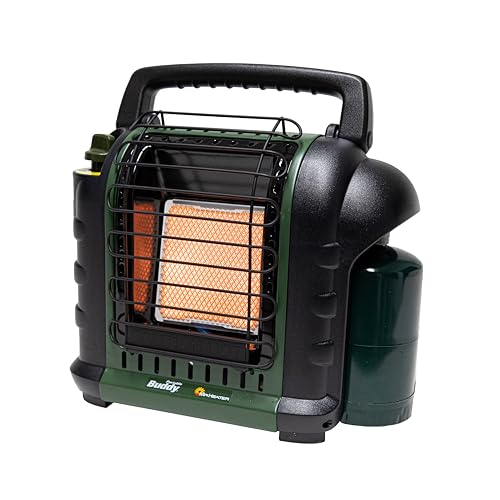
The Mr. Heater Buddy is a compact radiant heater that brings supplemental warmth to spaces where traditional heating isn't practical or available. With dual heat settings of 4,000 and 9,000 BTU per hour, you can dial in the right amount of warmth for your space while managing propane consumption. The heater's ability to warm up to 225 square feet makes it suitable for garages, workshops, cabins, RVs, and outdoor patios where you need flexible, on-demand heating.
What sets this heater apart is its emergency low-oxygen safety system, a critical feature for indoor use. This automatic shutoff prevents the heater from operating in low-oxygen environments where carbon monoxide could accumulate to dangerous levels. Combined with self-extinguishing materials, the design prioritizes user safety without sacrificing portability or ease of use. The straightforward two-setting operation means there's minimal learning curve for homeowners or DIYers who need quick, reliable heat.
Fuel efficiency varies with your chosen setting: the low setting delivers 5.4 hours of heating per 1 lb propane cylinder, while the high setting runs for 2.4 hours. This means you'll need to keep spare cylinders on hand if you're using high heat frequently, but the low setting offers excellent value for supplemental heating. The portable design and dual-use approval for indoor and outdoor spaces make this heater a practical choice for anyone looking to extend their usable space during cooler months.
| Specification | Details |
|---|---|
| Brand | Mr. Heater |
| Model | Buddy (4,000-9,000 BTU) |
| Heat Output | 4,000 BTU (low) or 9,000 BTU (high) |
| Coverage Area | Up to 225 square feet |
| Temperature Settings | 2 (low and high) |
| Fuel Type | Propane (1 lb cylinders) |
| Runtime (Low Setting) | 5.4 hours per 1 lb cylinder |
| Runtime (High Setting) | 2.4 hours per 1 lb cylinder |
| Safety Features | Emergency low-oxygen shutoff system |
| Materials | Self-extinguishing construction |
| Approved Use | Indoor and outdoor |
| Color | Green |
Before Using Indoors: Ensure your space has adequate ventilation. While the low-oxygen safety system provides critical protection, never rely on it as your only safeguard. Open a window or door to allow fresh air circulation, and avoid using the heater in completely sealed rooms.
Propane Cylinder Handling: Always store propane cylinders upright in a cool, dry location away from high heat sources. Never leave a connected cylinder in direct sunlight or near appliances. Check connections for leaks using soapy water before each use.
Clearance Requirements: Keep the heater at least 3 feet away from flammable materials, curtains, furniture, and walls. Never use unauthorized attachments or modifications, as these can damage the safety system and void your warranty. Always read the manufacturer's instructions completely before operation.
Regular Maintenance: Inspect the heater for visible damage before each use. If you notice any cracks, rust, or signs of wear, discontinue use immediately. Keep the heating element clean and free of dust or debris that could affect performance or safety.
Maximize Efficiency: Use the low setting (4,000 BTU) for everyday heating needs. You'll get more than double the runtime and reduce propane costs. Reserve the high setting for rapid warmup or when heating larger spaces. Positioning the heater in a central location within your target area improves heat distribution.
Smart Propane Management: Keep at least two spare 1 lb propane cylinders on hand, especially during winter months. This prevents unexpected heating interruptions and gives you flexibility to use the high setting when needed without worrying about running out of fuel mid-session.
Seasonal Storage: If you live in a climate with distinct seasons, store the heater in a dry, protected location during warm months. Before storing, ensure all propane cylinders are disconnected and stored separately. A light covering will protect it from dust while maintaining air circulation.
Pairing with Other Heat Sources: Use this heater as supplemental heat rather than your primary heating system. Combining it with proper insulation, weatherstripping, and other energy-efficient measures maximizes comfort while minimizing fuel consumption and costs.
Buying Guide: How to Choose the Right Indoor Propane Heater
Picking a propane heater for indoor use is not the same as picking one for a patio or job site. Indoor use introduces ventilation requirements, oxygen depletion concerns, and clearance rules that do not apply outdoors. The sections below break down every factor worth considering before you spend money.
BTU Output and Room Size
BTU (British Thermal Unit) output is the single most important spec when matching a heater to a space. As a general rule, you need roughly 20 BTU per square foot of living space in a well-insulated room. A 4,000 to 9,000 BTU portable unit like the Mr. Heater Portable Buddy handles spaces up to around 200 square feet comfortably. Moving up to an 18,000 BTU model covers roughly 450 square feet, and a 30,000 BTU vent-free radiant heater can warm spaces up to 750 square feet. Oversizing generates too much heat and wastes fuel; undersizing runs the heater constantly without ever reaching a comfortable temperature. If you are also evaluating space heaters for large rooms as an electric alternative, comparing BTU-equivalent output across fuel types helps clarify which is more cost-effective for your space.
Vent-Free vs. Vented vs. Forced Air
This is the most consequential decision in the buying process. The three main configurations have distinct trade-offs:
- Vent-free radiant heaters burn propane and release combustion byproducts directly into the room. They rely on an oxygen depletion sensor (ODS) to shut off automatically before CO levels become dangerous. They are highly efficient because no heat escapes through a flue, but most building codes restrict their use to rooms above a certain cubic footage. The Mr. Heater 30,000 BTU Vent Free Radiant and the 18,000 BTU model are classic examples.
- Vent-free blue flame heaters work similarly to radiant models but heat air rather than radiating heat toward objects. The Mr. Heater 20,000 BTU Vent Free Blue Flame is the most popular choice for evenly conditioning a room, similar to how a forced-air furnace behaves.
- Portable radiant heaters such as the Mr. Heater Portable Buddy and MH9BX are designed specifically for indoor use in well-ventilated spaces. They run on small 1-pound cylinders or connect to larger tanks via a hose, making them ideal for emergency backup heating.
- Forced-air propane heaters like the Mr. Heater 60,000 BTU Quiet Burner move heated air with a fan, covering very large areas quickly. These are best suited to garages, barns, and large workshops rather than living spaces.
Monitoring indoor air quality matters with any vent-free appliance. A reliable indoor air quality monitor gives you real-time data on CO2, humidity, and VOC levels, helping you stay aware of any buildup before it becomes a problem.
Safety Features to Look For
Indoor propane heaters carry inherent risks that outdoor models do not. The safety features below are non-negotiable for responsible indoor use:
- Oxygen Depletion Sensor (ODS): Automatically shuts the heater off when oxygen in the room falls below a safe threshold. Every vent-free model in this guide includes an ODS.
- Tip-over shutoff: A mercury or mechanical switch that kills the gas supply instantly if the unit is knocked over. Critically important in households with children or pets.
- Overheat protection: Thermal cutoff that shuts the unit down if the cabinet or burner exceeds a safe temperature.
- CSA or UL certification: Independent third-party certification that the heater meets minimum safety standards. Always check for this before purchasing an unfamiliar brand.
- Low-oxygen indicator: Some models include a visual or audible warning before the ODS triggers a full shutoff.
We strongly recommend pairing any indoor propane heater with at least one CO detector placed within 10 feet of the unit. Carbon monoxide is odorless and colorless, and even heaters with ODS systems can malfunction. Do not rely solely on the heater’s built-in safety features.
Fuel Efficiency and Tank Compatibility
Most portable indoor propane heaters are designed to run on standard 1-pound propane cylinders that screw directly into the unit. These are convenient but expensive per BTU when purchased at retail. If you plan to run a heater for more than a few hours regularly, investing in an adapter hose to connect to a 20-pound tank dramatically reduces the cost per hour of operation. The Mr. Heater Portable Buddy, for example, can run on a 1-pound cylinder for up to three hours on high or connect via an optional hose to a standard 20-pound tank for extended use. Vent-free wall-mount models like the 30,000 BTU radiant and blue flame heaters connect directly to a home propane supply or bulk tank, offering the lowest per-BTU operating cost of any option in this lineup. For households managing overall energy resilience, portable power stations work well alongside propane heating for keeping lights and devices running during outages.
Radiant Heat vs. Blue Flame Heat
Radiant propane heaters work by emitting infrared radiation that warms objects and people directly in the line of sight, much like sunlight. This makes them exceptionally effective in drafty or partially open spaces because the warmth reaches you even if the air temperature never fully rises. Blue flame heaters, by contrast, heat the air itself through convection, which distributes warmth more evenly throughout a sealed, well-insulated room. If you are heating a tightly insulated bedroom or living room, a blue flame model such as the Mr. Heater 20,000 BTU Vent Free Blue Flame Dual Fuel Heater tends to feel more comfortable over time. If you are heating a garage, workshop, or a room with leaky windows, a radiant model will deliver faster perceived warmth at the same BTU rating.
Portability and Installation Requirements
Portable heaters like the Mr. Heater Buddy series require zero installation and can move from room to room or to a vehicle, boat, or cabin without any tools. Wall-mounted vent-free heaters require securing to a wall stud, connecting to a gas supply line, and in many jurisdictions, a permit and inspection. The ProCom Heating Liquid Propane Ventless Infrared Plaque Heater and the Mr. Heater 18,000 BTU and 30,000 BTU Vent Free Radiant models all fall into the semi-permanent installed category. Before purchasing a wall-mount unit, verify local codes regarding vent-free appliances. Some states and municipalities have strict restrictions on vent-free heater output or outright prohibit them in certain room types. The Gasland MHA18BN is designed for garages and workshops specifically, making it a smart choice for anyone who wants a portable high-output option without wall mounting. Given that any combustion appliance affects the air you breathe, pairing your heating setup with radon detectors in basement areas is a worthwhile precaution for whole-home air safety.
Dual Fuel Capability
The Mr. Heater 20,000 BTU Vent Free Blue Flame Dual Fuel Heater stands out as the only model in this lineup that runs on both propane and natural gas. This flexibility means you can use the heater as a standalone propane unit now and convert it to natural gas if you later extend a gas line to the space. Dual fuel heaters cost more upfront but offer long-term versatility that single-fuel models cannot match. If your home already has natural gas service and you are considering a permanent supplemental heating solution, the dual-fuel option is worth the premium.
Thermostat and Control Options
Entry-level portable propane heaters offer simple low, medium, and high settings with no thermostat. Mid-range vent-free models add a manual thermostat knob that maintains a set temperature by cycling the burner. The ProCom Heating ML100TPA-B includes a T-Stat control for automatic temperature maintenance, making it the most hands-off option for consistent room conditioning. If precise temperature control matters to your use case, look for models with a built-in thermostat rather than manual heat settings. For comparison on how different heating categories handle temperature regulation, our coverage of portable air conditioners discusses thermostat accuracy in detail, and the same principles apply when evaluating heating equipment.
Why Trust HomeThru
HomeThru is an independent editorial site. We do not sell the products we cover, we do not accept manufacturer samples in exchange for favorable coverage, and we have no customer service relationship with any brand or retailer. Our process involves researching product specifications from manufacturer documentation, analyzing patterns across thousands of verified buyer reviews, and cross-referencing safety certifications from CSA and UL. For a category like indoor propane heaters, where an uninformed purchase can genuinely create a hazard, we take the responsibility of publishing accurate and balanced information seriously. Our team has also reviewed safety considerations from fire safety organizations and HVAC professionals in developing the buying guide above. If you are building out a broader home safety and preparedness setup, our resources on portable generators and uninterruptible power supplies cover the electrical side of emergency preparedness with the same level of detail.
Final Thoughts
Across the full range of indoor propane heaters evaluated for this guide, a few standouts deserve special recognition based on their ratings, feature sets, and suitability for specific use cases.
- Best Overall: Mr. Heater 9,000 BTU Portable Buddy Radiant Propane Heater earns this designation with over 31,000 reviews and a 4.7-star average, a combination of portability, indoor safety certification, and versatile tank compatibility that no other model in this list matches.
- Best for Large Spaces: Mr. Heater 30,000 BTU Vent Free Radiant Propane Heater delivers the highest output among the vent-free wall-mount options, making it the right choice for large garages, basements, or supplemental whole-room heating in cold climates.
- Best for Even Room Heating: Mr. Heater 20,000 BTU Vent Free Blue Flame Propane Heater uses convective heating to distribute warmth uniformly throughout an insulated room, a meaningful advantage over radiant models in tightly sealed living spaces.
- Best Dual Fuel Pick: Mr. Heater 20,000 BTU Vent Free Blue Flame Dual Fuel Heater is the only model that runs on both propane and natural gas, giving homeowners the flexibility to convert fuel sources without replacing the unit.
- Best Budget-Friendly Portable: Mr. Heater MH9BX Portable Propane Heater is specifically approved for use in Massachusetts and Canada where stricter emissions standards apply, making it the right choice for buyers in regulated regions who want a compact, carry-anywhere option at an accessible price point.
Whatever your heating situation, the right indoor propane heater should always be paired with working CO detectors and proper ventilation practices. If you are also thinking about whole-home air health, air purifiers for large rooms help clear combustion particulates and allergens once the temperature is under control. Stay safe, heat smart, and revisit our guide whenever your needs change.
Frequently Asked Questions
Are vent-free propane heaters safe to use indoors overnight?
Most safety organizations advise against running any vent-free combustion appliance while sleeping unattended. While modern models include oxygen depletion sensors that shut the unit off automatically, sensors can malfunction and CO can accumulate before the shutoff triggers. Use a hardwired CO detector, keep a window slightly cracked for air exchange, and follow the manufacturer’s maximum run-time recommendations for the safest overnight use.
Can I use a propane heater in a bedroom?
Portable indoor-rated propane heaters like the Mr. Heater Buddy series can be used in a bedroom temporarily with the door slightly open and a CO detector in the room. Permanently installed vent-free heaters are generally prohibited in bedrooms and bathrooms by most U.S. building codes. Check your local regulations and the product’s installation manual before using any propane heater in a sleeping space.
How long will a 1-pound propane cylinder last on a portable heater?
Run time depends heavily on the BTU setting. A 1-pound cylinder holds approximately 21,600 BTU of usable energy. Running a 9,000 BTU heater on high burns through a cylinder in roughly two to three hours. On the low 4,000 BTU setting, the same cylinder lasts five to six hours. Connecting the heater to a larger refillable 20-pound tank via an adapter hose is a far more economical option for extended use.
What is the difference between radiant and blue flame propane heaters for indoor use?
Radiant heaters emit infrared energy that warms people and objects directly without needing to raise the overall air temperature. This makes them effective in drafty or semi-open spaces. Blue flame heaters heat the air through convection, which distributes warmth more evenly throughout a sealed room. For living spaces with good insulation, blue flame models tend to feel more comfortable. For garages, workshops, or areas with air leaks, radiant models deliver faster perceived warmth.
Do indoor propane heaters require any special permits or inspections?
Portable propane heaters generally do not require permits because they are not permanently installed. However, wall-mounted vent-free heaters connected to a gas supply line typically require a permit and a gas line inspection in most U.S. jurisdictions. Some states, including California, have strict regulations on vent-free appliances. Always check with your local building department before installing any gas appliance permanently in your home.

Write Your Review
No reviews yet. Be the first to share your experience!