

Whether you’re pouring footings for a backyard deck, setting fence posts, or laying a small patio, having the right concrete mixer makes the difference between a smooth pour and an exhausting, inconsistent mess. Mixing concrete by hand in a wheelbarrow is possible for very small batches, but it’s slow, physically demanding, and rarely produces the uniform consistency that a mechanically mixed batch delivers. The best concrete mixers handle that work for you, blending cement, aggregate, and water into a homogenous mix so you can focus on placing and finishing. Pairing your mixer with other capable renovation tools, like a solid rotary hammer for anchoring into cured concrete or tile saws for finishing surfaces around poured slabs, rounds out a complete project toolkit.
At HomeThru, our editorial team independently researched and analyzed dozens of concrete and cement mixers available today, evaluating drum capacity, motor power, build quality, portability, and real-world owner feedback to narrow the field down to 12 genuinely worthwhile picks. This list covers everything from budget-friendly handheld paddle attachments for small repair batches to heavy-duty drum mixers capable of handling large residential pours. Whatever your project scale or budget, you’ll find a match below.
Top Concrete Mixers We Recommend

Pros
- Quick assembly and minimal setup time saves you hours on day one
- Washdown-certified components mean you can rinse it clean without worrying about motor damage
- Low-profile design reduces strain when pouring into tight spaces and forms
- Steel drum construction is durable and easy to maintain over multiple seasons
- One-person operation makes it practical for solo DIYers and small crews
Cons
- No reviews available yet, so real-world durability and long-term performance data is limited
- 4.0 cubic foot capacity may require multiple batches for large projects like full driveways
The YARDMAX YM0115 is designed for homeowners and DIYers who need a straightforward concrete mixer for medium-scale projects. The 4.0 cubic foot capacity hits a sweet spot between portability and batch size, allowing you to mix enough concrete for patios, walkways, and small foundation work without requiring a full-size contractor mixer. The low-profile design is a genuine convenience feature that lets you pour directly into forms and wheelbarrows at a natural height, reducing back strain and spill risk.
Build quality centers on practical durability. The solid steel drum resists rust and concrete buildup, while the IP45 washdown-certified motor and gearbox let you rinse the entire unit clean without fear of electrical damage. The factory-assembled motor drive box eliminates the frustration of on-site assembly and gets you mixing concrete faster. The steel handle with safety lock provides secure operation and simple angle adjustments for different pouring scenarios.
Setup is genuinely quick: one person can assemble this mixer in under 30 minutes with standard tools. That ease of entry makes it accessible to first-time concrete workers. The main trade-off is capacity—larger projects may require multiple batches, and there's currently limited real-world feedback from long-term users. For homeowners planning 2-4 medium concrete projects per year, this mixer delivers practical value.
| Specification | Details |
|---|---|
| Brand | YARDMAX |
| Model | YM0115 |
| Capacity | 4.0 cubic feet |
| Drum Material | Solid steel |
| Motor Rating | IP45 washdown certified |
| Gearbox | IP45 washdown certified |
| Drive System | Factory-assembled motor drive box |
| Handle | Steel with iron ring and safety lock |
| Profile Height | Low-profile design for easy pouring |
| Assembly Time | Under 30 minutes (1 person) |
Setup: Assemble the mixer in a level, well-drained work area. Use the safety lock on the handle to secure your preferred pouring angle before mixing begins.
Loading: Add dry ingredients first (cement, sand, aggregate) in the recommended proportions, then add water gradually while the drum rotates. Avoid overfilling beyond the 4.0 cubic foot capacity mark.
Mixing: Let the drum rotate for 3-5 minutes until the mixture reaches uniform consistency. The low-profile design makes it easy to position wheelbarrows or forms directly under the pour spout.
Cleanup: Empty remaining concrete immediately. Rinse the steel drum and use the washdown-certified motor and gearbox to clean the entire unit with water without electrical risk.
Before Operation: Inspect the steel drum for cracks or damage. Ensure the handle safety lock is engaged and secure before starting the motor. Wear work gloves and safety glasses during mixing.
During Operation: Keep hands, hair, and loose clothing away from the rotating drum. Never reach into the drum while it's running. Use the steel handle to adjust the pouring angle, not your hands.
After Operation: Allow the drum to stop completely before opening or adjusting it. Clean the mixer immediately after use to prevent concrete from hardening inside. When rinsing with water, ensure the motor and gearbox are the IP45-certified models designed for washdown.
Batch Planning: For large projects, pre-measure your dry ingredients into buckets before starting. This speeds up loading and ensures consistent batch ratios throughout your project.
Pouring Efficiency: Position your wheelbarrow or form directly under the low-profile spout before starting the final rotation. This eliminates unnecessary movement and reduces spillage.
Maintenance: Rinse the mixer immediately after each use. Once per season, inspect the motor and gearbox seals to ensure the IP45 rating remains effective. Store in a covered area to protect from prolonged weather exposure.

Pros
- High-power 2300W motor handles heavy-duty mixing tasks efficiently without bogging down
- Six-speed transmission gives you precise control for everything from thin slurries to thick mortars
- Compact, lightweight design makes it practical for homeowners and professionals who move between projects
- Overheating protection and ventilation system keep the motor running cool during long jobs
- Dual handles and self-locking switch improve comfort and reduce accidental activation risks
Cons
- No customer reviews available yet, so real-world durability and long-term reliability remain unproven
- 110V-only design limits power compared to some corded commercial models and requires proximity to outlets
The SILVEL 2300W electric handheld cement mixer brings professional mixing capability to residential and light commercial projects. Its powerful copper motor and six-speed transmission give you the flexibility to handle everything from thin paint slurries to thick mortar and concrete batches. The dual steering wheel handles are designed for control and comfort, while the self-locking switch adds a practical safety feature that prevents accidental startup when you're positioning the mixer or setting it down between batches.
Build quality stands out as a key strength. The mixer uses rust-proof, impact-resistant materials throughout, which matters if you're working in damp basement projects, outdoor applications, or around water. The motor's overheating protection and efficient ventilation system are thoughtful engineering touches that protect your investment and keep the tool running safely during extended mixing sessions. Assembly is straightforward, and replacement paddles swap in without special tools, making maintenance less of a headache down the road.
This mixer excels for homeowners tackling drywall compound, tile adhesive, paint thinning, and small concrete projects. The 110V requirement means you'll need a nearby outlet, which is worth considering for your workspace layout. The compact, lightweight design makes it genuinely portable compared to stationary drum mixers, so you can move it from room to room or between job sites without excessive strain.
| Specification | Details |
|---|---|
| Motor Power | 2300W |
| Voltage | 110V |
| Motor Type | Copper Motor |
| Speed Settings | 6 Adjustable Speeds |
| Handle Design | Dual Steering Wheel Handles |
| Switch Type | Self-Locking |
| Construction Material | Rust-Proof, Impact-Resistant |
| Safety Features | Overheating Protection, Ventilation System |
| Suitable For | Mortar, Cement, Paint, Slurry, Gypsum, Sheetrock, Feed |
| Design | Portable, Handheld |
Setup: Assemble the mixer according to included instructions, ensuring all paddles and handles are secure. Connect to a 110V outlet with adequate grounding. Fill your mixing container with dry materials first, then add liquids gradually while operating at low speed.
Operating Tips: Start at speed 1 or 2 to incorporate dry materials, then increase to your desired speed as the mixture becomes consistent. For thick materials like mortar, use higher speeds. For thin slurries and paint, lower speeds prevent splashing and aeration. Keep the mixer submerged in the material to reduce mess and achieve uniform blending.
Material-Specific Guidance: Cement and mortar typically mix well at speeds 4-6. Drywall compound and joint compound work best at speeds 2-3 to avoid over-mixing. Paint and thin coatings mix effectively at speeds 1-3. Always allow the motor to reach full speed before fully submerging the paddle to prevent stalling.
Before Operation: Inspect the power cord for damage and ensure the outlet is properly grounded. Verify that all handles, paddles, and fasteners are tight. Never operate the mixer with wet hands or in wet conditions. Wear safety glasses to protect against splashing material.
During Use: Keep hands and loose clothing away from the spinning paddle at all times. Never reach into the mixing container while the motor is running. Use the self-locking switch to prevent accidental startup. If the mixer stalls or sounds abnormal, stop immediately and check for obstructions or damage.
After Use: Always unplug the mixer before cleaning or performing any maintenance. Allow the motor to cool for at least 15 minutes before removing or replacing paddles. Store in a dry location away from moisture and extreme temperatures to preserve the rust-proof coating and electrical components.
Material Preparation: Pre-screen dry materials to remove clumps and debris before mixing. This reduces strain on the motor and produces smoother, more consistent results. For thick materials, add liquid gradually rather than all at once to prevent the motor from bogging down.
Speed Selection: Match your speed to material viscosity. Thin liquids and paints benefit from lower speeds (1-3) to minimize splashing. Thick mortars and concrete need higher speeds (4-6) for thorough blending. Start low and increase gradually to find the sweet spot for your specific material.
Maintenance and Longevity: Clean the paddle and mixer immediately after use to prevent material buildup, which can damage seals and reduce efficiency. Check the ventilation system regularly to ensure it's free of dust and debris. Store the mixer in a cool, dry place, and use the self-locking switch as an additional safeguard against accidental activation during storage.

Pros
- Powerful 500W motor delivers consistent 1680 RPM performance for professional-quality mixing results
- Durable poly drum and powder-coated steel frame withstand heavy use and outdoor conditions
- Flat-free tires eliminate maintenance and allow hassle-free transport to different work areas
- Large 4 cubic foot capacity reduces batch cycles and saves time on bigger projects
- Straightforward assembly with included hardware and clear instructions
Cons
- No customer reviews available yet, so long-term reliability and durability remain unproven in real-world conditions
- 120V operation may require an extension cord on job sites without nearby electrical outlets
The BILT HARD 4 cubic foot cement mixer combines practical features with solid construction for homeowners and DIYers tackling concrete, mortar, or stucco projects. The 500W motor generates impressive 1680 RPM speed while maintaining a steady 24 RPM mixing rate, ensuring thorough blending without splashing or waste. The 4 cubic foot poly drum holds enough material to minimize batch cycles on larger jobs, while the 15-inch diameter opening makes loading dry ingredients straightforward and mess-free.
Durability is a key strength of this mixer. The poly drum resists dents, cracks, and corrosion, making it suitable for outdoor storage and rough job-site conditions. The heavy-duty steel frame features a powder-coated finish that protects against rust and wear. The flat-free 10-inch tires are a practical touch, eliminating the need for air pumps or replacement tubes and enabling smooth transport across uneven terrain, driveways, and gravel areas.
Operation is refreshingly simple. Assembly requires only standard tools and the included hardware, with a manual that walks users through each step. The all-steel stand provides stable, level operation, and the electric motor responds instantly to the power switch. While this mixer excels for residential and light commercial applications, the 120V requirement means you'll need convenient access to an outlet or a quality extension cord on remote job sites.
| Specification | Detail |
|---|---|
| Brand | BILT HARD |
| Motor Power | 500W |
| Voltage | 120V |
| Amperage | 4.3A |
| Max RPM | 1680 |
| Mixing Rate | 24.0 RPM |
| Drum Capacity | 4.0 cubic feet |
| Mixing Capacity | 2.3 cubic feet |
| Drum Diameter | 15 inches |
| Drum Material | Heavy-duty poly |
| Frame Material | Steel with powder coat |
| Tire Size | 10 inches (flat-free) |
| Suitable For | Concrete, mortar, stucco, feed mixing, seed treatment |
Setup and Assembly: Assemble the mixer on a flat, level surface using the included hardware and manual. Ensure the poly drum is securely attached to the frame and the stand is stable before operation.
Loading Materials: The 15-inch drum diameter makes it easy to add dry materials. For concrete mixing, add dry ingredients first, then add water gradually while the drum rotates. For mortar or stucco, follow the same process, adjusting water content to achieve the desired consistency.
Mixing Process: Start the motor and allow the drum to rotate at the 24 RPM mixing rate. Most batches complete in 2-5 minutes depending on material type and batch size. Avoid overloading beyond the 2.3 cubic foot mixing capacity to ensure thorough blending.
Unloading: Once mixing is complete, position a wheelbarrow or mixing tub beneath the drum lip. Tilt the mixer slightly or use a shovel to direct material into your container. Clean the drum immediately after use to prevent hardened material from sticking.
Transport: The flat-free tires roll smoothly across driveways, grass, and gravel. Use the frame handles to guide the mixer, and avoid steep inclines or unstable terrain.
Electrical Safety: Always plug the mixer into a properly grounded 120V outlet. Use a heavy-duty extension cord rated for outdoor use if needed. Keep the power cord away from water and wet surfaces. Never operate the mixer in rain or wet conditions.
Operational Safety: Keep hands, hair, and loose clothing away from the rotating drum at all times. Never reach into the drum while it's spinning. Always stop the motor before loading, unloading, or performing maintenance.
Material Handling: Wear dust masks when handling dry cement, mortar, or stucco powder, as inhalation can cause respiratory irritation. Use safety glasses to protect eyes from splashing or airborne particles. Wear work gloves to protect hands from sharp materials and rough drum edges.
Stability and Transport: Ensure the mixer sits on level ground before operation. Check that all frame bolts are tight before each use. When transporting, move slowly and avoid sudden stops or sharp turns. Do not operate on slopes or uneven surfaces that could cause tipping.
Maintenance: Unplug the mixer before cleaning or performing any maintenance. Inspect the drum, frame, and tires regularly for damage. Clean the drum thoroughly after each use to prevent material buildup.
Batch Consistency: Pre-measure your dry ingredients in buckets before mixing. This ensures consistent batches and faster mixing times. Add water in small amounts rather than all at once, allowing the mixer to fully incorporate each addition before adding more.
Drum Maintenance: Coat the inside of the poly drum with a thin layer of cooking oil or release agent before mixing stucco or mortar. This prevents material from sticking and makes cleanup significantly easier. Rinse the drum with water immediately after use before material hardens.
Extension Cord Strategy: Invest in a heavy-duty 50-foot outdoor extension cord rated for 12 AWG. This gives you flexibility to position the mixer near your work area without constantly moving the unit or running undersized cords that reduce motor efficiency.
Load Optimization: The 2.3 cubic foot mixing capacity is the sweet spot for quality results. Filling to this level ensures the drum rotates materials effectively. Underfilled batches may not mix thoroughly, while overfilled batches strain the motor and produce inconsistent texture.
Weather Considerations: Cover the mixer with a tarp during storage to protect the frame from rust and the drum from debris accumulation. The flat-free tires handle wet conditions well, but avoid operating in heavy rain or on muddy ground where traction becomes unreliable.

Pros
- Reliable 375W motor runs at consistent 29.5 RPM, ensuring uniform mixing of dense materials without stalling
- Large 140L capacity reduces batch frequency, saving time on bigger projects and improving workflow efficiency
- Wheelbarrow-style portability makes it easy to move between work areas without heavy lifting or equipment rental
- Durable steel drum and rust-resistant coating provide long-term value in outdoor and humid environments
- Electric operation eliminates fuel costs, emissions, and maintenance compared to gas-powered competitors
Cons
- 110V power requirement limits use to locations with reliable electrical access; outdoor projects may require extension cords and proper grounding
- No reviews currently available, so real-world durability and long-term performance feedback from actual users is limited
The SPECRAFT electric cement mixer stands out as a practical choice for homeowners and small contractors who need reliable concrete mixing without the complexity of gas engines. The 375W motor delivers steady torque at 29.5 RPM, designed to handle dense materials like concrete, mortar, and stucco without bogging down. The large 140L drum with its 22.4-inch opening gives you the capacity to work through bigger jobs in fewer batches, which translates to less downtime and faster project completion.
Build quality emphasizes durability and outdoor longevity. The reinforced Q235 steel drum and rust-resistant coating protect against corrosion, while the wheelbarrow-style frame with wheels and ergonomic handle makes transport manageable for one person. Setup is straightforward with a standard 110V plug-and-play connection, safety-focused controls, and reinforced wiring. The package includes all necessary hardware and a clear manual, so most users can have the mixer operational within an hour of unboxing.
Where this mixer excels is in its balance of power, capacity, and ease of use. It's not designed for high-volume commercial operations, but for DIYers tackling concrete patios, driveways, or masonry work, or small contractors managing multiple residential jobs, the SPECRAFT delivers consistent performance without fuel costs or complex maintenance routines. The electric operation also means cleaner air quality and quieter operation compared to gas alternatives, which is a genuine advantage for residential neighborhoods and indoor applications like garage mixing.
| Specification | Details |
|---|---|
| Brand | SPECRAFT |
| Motor Power | 375W High-Torque |
| Motor Speed | 29.5 RPM |
| Drum Capacity | 140L (4.9 cu.ft.) |
| Drum Opening | 22.4 inches |
| Drum Material | Reinforced Q235 Steel |
| Coating | Rust-Resistant |
| Frame Style | Portable Wheelbarrow Design |
| Wheels | Included |
| Power Supply | 110V Electric |
| Suitable Materials | Concrete, Mortar, Stucco, Aggregate |
| Assembly | Includes All Hardware & Manual |
Setup: Position the mixer on level ground with wheel brakes engaged (if equipped). Ensure the 110V outlet is properly grounded and accessible. Verify the drum rotates freely before plugging in.
Loading: Add dry materials first (cement, sand, aggregates) in the recommended proportions for your project. Add water gradually while the mixer runs, adjusting consistency as needed. Avoid overfilling beyond the 140L capacity line.
Mixing: Let the motor run for 3-5 minutes until the mixture reaches uniform consistency. For thick concrete, allow longer mixing times. Monitor material flow and add water in small increments if the mixture is too dry.
Unloading: Tilt the drum using the handle or control mechanism to pour the finished mixture into a wheelbarrow or directly onto your work surface. Clean the drum immediately after use to prevent material hardening inside.
Electrical Safety: Always use a properly grounded 110V outlet. Inspect the power cord for damage before each use. Keep the mixer away from water sources and damp conditions unless designed for wet environments. Use a ground fault circuit interrupter (GFCI) outlet for outdoor use.
Operational Safety: Never reach into the spinning drum while the motor is running. Always stop the mixer completely before adjusting or unloading materials. Wear safety glasses and work gloves when handling cement dust and raw materials. Ensure the mixer is on stable, level ground before operation to prevent tipping.
Maintenance Safety: Unplug the mixer before performing any cleaning or maintenance. Allow the drum to cool and stop completely before touching. Check wheels and brakes regularly to ensure safe mobility and prevent unexpected movement.
Batch Planning: Pre-measure your cement, sand, and aggregate ratios before loading to speed up the mixing process. The 140L capacity is generous, so plan batches that maximize the drum without overfilling. This reduces the number of batches and keeps your workflow efficient.
Material Consistency: Add water gradually and mix longer than you think necessary. Concrete and mortar benefit from extra mixing time to ensure uniform distribution of all components. A slightly over-mixed batch is better than one with dry pockets.
Maintenance and Longevity: Clean the drum thoroughly after each use, especially if mixing concrete or mortar. Dried material inside the drum reduces capacity and can damage the motor over time. Store the mixer indoors or under cover in winter to protect the rust-resistant coating and electrical components from freezing and salt spray.
Transport and Storage: Use the wheelbarrow frame and wheels to move the mixer between job sites. Lock the wheels when stationary to prevent rolling. Store on level ground with the drum empty to reduce stress on the frame and wheels.
Pros
- Large capacity reduces batching time and increases work efficiency on medium-sized projects
- Durable steel construction with powder coating withstands outdoor conditions and frequent use
- Wheeled design with solid rubber tires makes repositioning easy without tipping hazards
- Versatile mixer handles concrete, mortar, plaster, seeds, and feed for multiple applications
- Full-range mixing action ensures consistent, lump-free results without manual stirring
Cons
- No customer reviews available yet, so real-world performance data from homeowners is limited
- 450W motor may require longer mixing times for very dense or heavy concrete batches compared to higher-wattage models
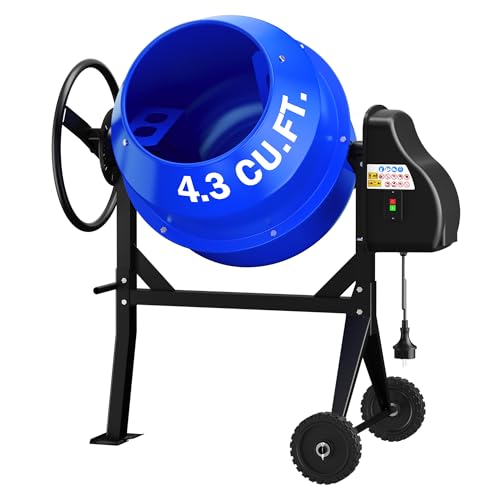
The BSMTEK electric concrete mixer brings practical value to homeowners and DIYers tackling medium-scale projects. With a 4.3 cubic foot capacity and 450W motor, this machine efficiently handles concrete, mortar, plaster, and even agricultural materials like seeds and feed. The large drum means fewer batches required, which translates to real time savings on projects where you're mixing substantial quantities.
Build quality stands out as a key strength. The mixer features a high-strength steel frame with durable powder coating that resists rust and corrosion, backed by a triangular support structure for enhanced stability during operation. The dual 7-inch solid rubber wheels roll smoothly across various surfaces, and the 360-degree mixing action eliminates dead zones to ensure uniform blending without manual intervention. Assembly is straightforward with included hardware and documentation.
For homeowners evaluating this mixer, consider your typical project scale and material types. The 450W motor provides adequate power for standard concrete and mortar work, though very dense batches may require longer mixing cycles. The wheeled design makes storage and repositioning convenient, and the versatile drum accommodates multiple material types beyond concrete. Customer support is available to address questions during and after purchase.
| Specification | Detail |
|---|---|
| Brand | BSMTEK |
| Model | Blue-2026 Upgraded |
| Drum Capacity | 4.3 cubic feet |
| Motor Power | 450W (3/5 HP) |
| Motor Type | Copper motor |
| Frame Material | High-strength steel |
| Surface Finish | Powder coating (rust and corrosion resistant) |
| Wheel Type | Solid rubber wheels |
| Wheel Size | 7 inches |
| Number of Wheels | 2 |
| Mixing Range | 360-degree full-range |
| Support Structure | Triangular design |
| Suitable Materials | Concrete, mortar, plaster, stucco, seeds, feed |
| Included Items | Hardware components, operation manual |
| Customer Service | 24-hour support available |
Setup and Assembly: Unpack all components and verify hardware is included. Follow the step-by-step operation manual to assemble the mixer frame, attach wheels, and secure the drum. Ensure the triangular support structure is properly aligned and all bolts are tightened before operation.
Loading and Mixing: Position the mixer on level ground and verify stability before adding materials. Load your concrete, mortar, plaster, or other materials into the drum up to the recommended fill line. Plug in the mixer and activate the motor. The 360-degree mixing action will begin automatically. Allow adequate time for uniform blending, typically 3-5 minutes depending on material type and batch size.
Unloading and Maintenance: Once mixing is complete, stop the motor and tilt or position the drum opening toward your work area for unloading. After each use, clean the drum and interior surfaces to prevent material buildup. Store the mixer in a dry location and inspect wheels and frame periodically for any damage or wear.
Before Operation: Always read the included operation manual thoroughly before first use. Inspect the mixer for any visible damage, loose bolts, or wheel issues. Ensure the work area is clear of obstacles and bystanders. Verify the mixer sits on level, stable ground with the triangular support structure fully engaged.
During Operation: Never reach into the drum while the motor is running. Wear appropriate safety gear including work gloves and eye protection when handling materials. Keep loose clothing, hair, and jewelry away from rotating parts. Do not overload the drum beyond its 4.3 cubic foot capacity, as this stresses the motor and creates instability.
Safe Handling: Use the wheels to reposition the mixer rather than lifting it manually. Allow the motor to cool between extended mixing sessions. Keep the power cord away from moisture and sharp objects. Unplug the mixer before performing any cleaning, maintenance, or storage. Store the mixer in a secure location away from children and pets.
Is This Mixer Right for You? This BSMTEK model suits homeowners and DIYers handling small to medium construction projects, landscaping work, or farm-related mixing tasks. The 4.3 cubic foot capacity is ideal if you're mixing concrete for patios, pathways, or fence posts, or preparing mortar for masonry projects. If your projects are occasional rather than commercial-scale, this mixer offers excellent value and convenience.
Key Considerations: Evaluate your typical mixing needs and material types. This mixer excels at concrete, mortar, and plaster, and the versatile drum also handles seeds and feed. The 450W motor is adequate for standard batches but may require longer mixing times for very dense materials. Consider storage space, as the wheeled frame is portable but still occupies meaningful room. Verify your workspace has adequate electrical outlet access within the power cord's reach.
Long-Term Value: The durable steel construction and powder coating protect against rust and weather exposure, supporting years of reliable use. The triangular support structure and solid rubber wheels enhance stability and ease of movement. Budget for basic maintenance like occasional cleaning and periodic inspection of wheels and fasteners. The included 24-hour customer service provides support if questions arise during or after purchase.

Pros
- Powerful motor handles demanding mixing tasks without bogging down
- Large 4 cu ft capacity means fewer batches and faster project completion
- Durable powder-coated finish and steel frame withstand outdoor conditions
- Portable design with sturdy wheels makes repositioning on the job site effortless
- Straightforward assembly with included hardware and detailed manual
Cons
- No reviews currently available, so long-term reliability and user experience feedback is limited
- 120V outlet requirement means you'll need proper electrical access at your work location
The BILT HARD 4 cu ft electric cement mixer is a solid workhorse for homeowners and DIYers tackling concrete, stucco, and mortar projects. The 550W motor delivers consistent power at 1750 RPM, translating to a steady 26.7 RPM drum rotation that efficiently blends materials without overheating. The 4 cubic foot capacity is substantial enough to minimize the number of batches you'll need for most residential projects, while the 15-inch drum diameter makes it easy to add dry ingredients without spillage.
Build quality stands out as a key strength. The mixer combines cast metal and steel components with a durable powder-coat finish designed to resist rust and weathering. The triangular bracket frame adds rigidity during operation, and the steel handle with safety lock provides secure grip and positioning. Two 9-inch wheels with shockproof suspension make moving the mixer across driveways, patios, and job sites surprisingly manageable, despite the unit's substantial capacity.
Operation is straightforward. The mixer comes fully assembled with all necessary hardware and a step-by-step manual, so you can start mixing within minutes of unboxing. The 120V 5A electrical requirement is standard for most home setups, though you'll want to ensure adequate outlet access near your work area. Overall, this mixer delivers excellent value for homeowners and contractors seeking a reliable, portable solution for concrete and mortar work.
| Specification | Details |
|---|---|
| Brand | BILT HARD |
| Motor Power | 550W |
| Voltage | 120V |
| Amperage | 5A |
| Motor Speed | 1750 RPM |
| Drum Speed | 26.7 RPM |
| Drum Capacity | 4 cubic feet (113L) |
| Drum Diameter | 15 inches |
| Wheel Size | 9 inches (qty: 2) |
| Frame Material | Cast metal and steel with powder-coat finish |
| Stability Feature | Triangular bracket design |
| Handle | Steel with iron ring and safety lock |
| Suitable For | Concrete, stucco, mortar, agricultural mixing |
Setup and Safety: Place the mixer on level ground and ensure the wheels are locked or blocked to prevent movement during operation. Verify that your 120V outlet is properly grounded and can handle 5A of current. Always wear safety glasses and work gloves when operating.
Loading and Mixing: Open the drum by loosening the handle safety lock. Add your dry materials first, then add water or liquid binder gradually while the mixer runs. The 15-inch drum diameter makes it easy to pour materials in without excessive spilling. Do not overfill beyond the 4 cubic foot capacity mark.
Unloading: Once mixing is complete, stop the motor and allow the drum to come to a complete stop. Tilt the drum using the handle and safety lock mechanism to pour your mixed material into a wheelbarrow or directly onto your work surface. Clean the drum promptly after each use to prevent material from hardening inside.
Maintenance: After each use, rinse the drum and paddles with water to remove residual concrete or mortar. Store the mixer in a dry location to protect the powder-coat finish. Check wheels and handle mechanisms regularly for wear.
Electrical Safety: Always plug the mixer into a properly grounded 120V outlet. Never use extension cords rated below 12 AWG for this unit. Keep the power cord away from water and moving parts. Unplug before performing any maintenance or adjustments.
Operational Safety: Wear safety glasses, work gloves, and closed-toe shoes when operating the mixer. Keep hands and loose clothing away from the rotating drum and paddles. Never reach into the drum while the motor is running. Use the handle safety lock to secure the drum position before unloading.
Stability and Transport: Always operate on level ground. Engage the wheel locks or block the wheels to prevent rolling during mixing. When transporting, ensure the drum is empty and secure. Check that both 9-inch wheels are in good condition before moving the unit.
Material Handling: Do not exceed the 4 cubic foot capacity. Allow wet concrete or mortar to set properly before attempting to unload. Be aware that freshly mixed materials can be heavy and may require assistance to unload safely.
Maximize Mixing Efficiency: Add dry materials first, then introduce water gradually. This prevents clumping and ensures more uniform mixing. For stucco and mortar, add water last and mix until you achieve the desired consistency. The 26.7 RPM drum speed is ideal for these applications and won't create excessive splashing.
Extend Equipment Life: Clean the drum immediately after each use before material hardens. A quick rinse with a garden hose takes just minutes and prevents buildup that can corrode the interior. Store the mixer indoors or under a cover to protect the powder-coat finish from UV exposure and moisture.
Optimize for Different Materials: The BILT HARD mixer handles concrete, stucco, mortar, and even agricultural applications. Adjust your water ratios based on material type. Concrete typically requires less water than mortar, while stucco falls somewhere in between. Keep notes on successful batches so you can replicate them.
Wheel and Handle Care: Inspect the 9-inch wheels periodically for debris or damage. The shockproof suspension helps absorb impact on uneven terrain, but regular inspection ensures smooth transport. Keep the steel handle and safety lock mechanism clean and occasionally apply a light lubricant to the lock mechanism for smooth operation.
Pros
- Exceptional torque output handles thick, heavy materials without bogging down
- Variable-speed motor gives you control over mixing consistency and material properties
- Rotatable D-handle reduces hand and arm fatigue during extended mixing sessions
- Durable keyed chuck securely holds various mixing paddles and augers
- Long cord eliminates need for extension cords on most jobsites
Cons
- Heavier weight and larger size make it less convenient for light, occasional mixing tasks
- No reviews currently available to validate real-world performance and durability claims
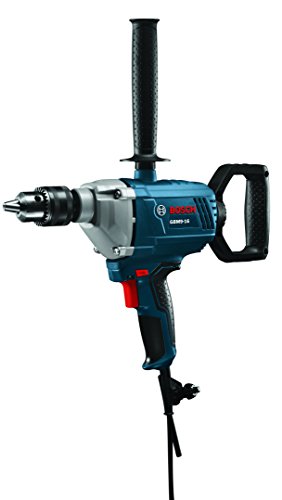
The Bosch GBM9-16 is purpose-built for homeowners and contractors who need serious mixing power. With its 9-amp motor, this mixer generates the high torque required for thick materials like cement, plaster, and epoxy resin. The variable-speed feature is particularly valuable because different materials require different mixing speeds - slower speeds for heavy mixes prevent splashing and material loss, while faster speeds work better for lighter compounds.
The 360-degree rotatable D-handle is a thoughtful design choice that reduces fatigue and gives you better control regardless of your hand size or the mixing angle you need. The heavy-duty keyed chuck accepts a variety of mixing paddles and accessories, making this a versatile tool for multiple mixing applications. The 8-foot rubber cord with three-prong grounding is a practical feature that reduces your dependence on extension cords and keeps you safer on the jobsite.
This mixer excels for serious DIYers and professionals who regularly mix large batches of demanding materials. It's an investment in durability and performance, though it's not the best choice if you only mix occasionally or work with lighter materials. The industrial-grade construction suggests long-term reliability, though field feedback would help validate this claim over time.
| Specification | Detail |
|---|---|
| Brand | Bosch |
| Model | GBM9-16 |
| Motor Power | 9 Amps |
| Chuck Size | 5/8 Inch |
| Speed Control | Variable Speed |
| Handle Type | Rotatable D-Handle (360 Degrees) |
| Chuck Type | Heavy-Duty Keyed |
| Cord Length | 8 Feet |
| Cord Plug | Three-Prong Ground |
| Primary Use | Mixing Cement, Plaster, Epoxy Resin |
| Category | Concrete Mixers |
Preparation: Before starting, ensure your mixing paddle or auger is securely seated in the keyed chuck. Tighten the chuck firmly by hand. Fill your mixing container or bucket with the appropriate ratio of materials according to your product instructions. Position yourself with a stable stance and secure footing.
Operation: Plug the mixer into a grounded outlet. Start at a lower variable speed setting and gradually increase speed as the materials begin to combine. Use the rotatable D-handle to maintain a comfortable grip and control the mixer's position. Keep the mixing paddle fully submerged in the material to prevent splashing. Mix until you achieve the desired consistency, typically 2-5 minutes depending on material type and batch size.
Safety Reminders: Never reach into the mixer while it's running. Always unplug before changing mixing paddles or adjusting the chuck. Keep the cord away from water and sharp objects. Allow the motor to cool between heavy-use sessions. Wear safety glasses to protect against splashing materials.
Before You Mix: Inspect the cord for cuts, cracks, or exposed wires. Check that the three-prong plug is intact and the outlet is grounded. Ensure the mixing paddle is securely fastened in the chuck. Wear safety glasses and consider wearing gloves and a dust mask, especially when mixing cement or plaster.
During Operation: Never insert your hands or tools into the mixer while the motor is running. Keep long hair, loose clothing, and jewelry away from the rotating chuck and paddle. Maintain firm footing and a stable stance. Do not allow children or untrained individuals to operate the mixer. Keep bystanders at least 10 feet away from the mixing area.
After Mixing: Always unplug the mixer before cleaning or changing accessories. Allow the motor to cool for at least 15 minutes before storing. Clean dried material from the paddle and chuck promptly to prevent buildup. Store the cord loosely coiled in a dry location, away from heat sources and direct sunlight.
Material Selection: Match your mixing speed to your material type. Start slow with thick pastes like epoxy and cement, then increase speed gradually. Lighter materials like paint or thin grout can handle faster speeds from the start. Always follow the material manufacturer's recommended mixing speed if provided.
Batch Sizing: Avoid overfilling your bucket - aim for mixing containers that are only two-thirds full to prevent splashing and ensure thorough mixing. Smaller batches mixed thoroughly are better than large batches that don't mix evenly. This also reduces strain on the motor and extends tool life.
Maintenance and Longevity: Clean the mixer immediately after use, especially when working with cement or plaster that hardens quickly. Store the cord neatly to prevent kinks and damage. Periodically check that the chuck remains tight and the handle rotates smoothly. If you notice a change in motor sound or performance, allow the tool to cool and inspect for material buildup around the motor vents.
Pros
- Cordless design provides unrestricted movement and eliminates extension cord hassles
- 18V power handles thick mud and concrete mixes without bogging down
- Integrates seamlessly with Milwaukee's M18 battery ecosystem if you already own compatible batteries
- Durable construction withstands heavy jobsite use and frequent cleaning
Cons
- Bare tool requires separate purchase of 18V battery and charger if you don't already own them
- Limited runtime on a single charge means you may need multiple batteries for large projects
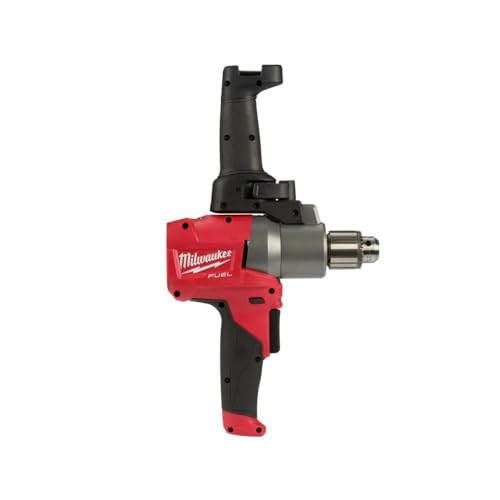
Milwaukee's 18V cordless mud mixer represents a significant upgrade for anyone mixing drywall compound, concrete, or paint on a regular basis. The cordless design eliminates the frustration of managing extension cords around jobsites, and the 18V motor delivers enough torque to handle thick mud and concrete mixes without stalling or requiring constant pressure adjustments.
The bare tool format is a smart choice for Milwaukee users who already have M18 batteries and chargers in their toolkit. If you're new to the Milwaukee ecosystem, you'll need to budget separately for a battery and charger, but once you do, you gain access to dozens of other cordless tools. The mixer itself feels well-built and balanced, with a design that reduces hand fatigue during longer mixing sessions.
This mixer works best for homeowners tackling drywall finishing, small concrete projects, or regular paint mixing. Contractors will appreciate the cordless freedom and professional-grade reliability, though you'll want to keep multiple batteries charged for larger jobs. Overall, it's a solid investment if you value convenience and already operate within the Milwaukee 18V platform.
| Brand | Milwaukee |
| Model Type | Cordless Mud Mixer |
| Voltage | 18V |
| Tool Type | Bare Tool (Battery and Charger Not Included) |
| Included Components | Mixer Unit, Instruction Guide |
| Country of Manufacture | China |
| Battery Platform | Milwaukee M18 Compatible |
| Primary Use | Drywall Mud, Concrete, Paint Mixing |
Setup: Attach a compatible 18V Milwaukee battery to the tool. Insert the mixing paddle or blade into the chuck and secure it firmly. Pour your material into a bucket or mixing container.
Mixing: Position the mixer in the center of your material. Activate the tool at a moderate speed, allowing the paddle to work through the mixture evenly. For thick drywall mud, start at lower speeds and gradually increase. For lighter paints or thinner mixes, you can operate at higher speeds.
Safety: Always wear safety glasses and work gloves. Keep hands and loose clothing away from the rotating paddle. Do not force the tool if it binds; release the trigger immediately and reposition your material. Allow the motor to stop completely before removing the paddle.
Battery Management: Keep a second charged 18V battery on hand for larger projects. Mixing is power-intensive, and a single battery may not last through an entire drywall finishing job. Rotate batteries to maximize productivity.
Paddle Selection: Use the correct mixing paddle for your material type. Thicker compounds benefit from heavy-duty paddles, while paints and thinner mixes work better with lighter blades. Milwaukee offers multiple paddle options for different applications.
Container Technique: Mix in a bucket large enough to allow the paddle to work without splashing. Position the paddle slightly off-center and work in slow, deliberate circles rather than rapid speeds to reduce mess and ensure even blending.
Maintenance: Clean the paddle immediately after use to prevent material from hardening. Wipe down the tool body and check battery contacts regularly to ensure optimal performance.
Who Should Buy This: This mixer is ideal for homeowners and DIYers who regularly handle drywall finishing, concrete work, or paint projects. It's also a solid choice for contractors who operate within the Milwaukee 18V ecosystem and value cordless convenience.
When to Choose This Tool: Choose this mixer if you already own Milwaukee M18 batteries and want to avoid the hassle of corded mixing. It's particularly valuable if you work in spaces where extension cords create safety hazards or mobility challenges.
Budget Considerations: As a bare tool, you'll need to account for battery and charger costs if you don't already own them. Factor this into your total investment. However, if you already use Milwaukee cordless tools, the bare tool format offers excellent value.
Alternatives to Consider: If you don't use Milwaukee batteries, evaluate corded mixers for continuous runtime, or other cordless brands that match your existing battery platform. For very heavy commercial use, consider larger industrial-grade mixers designed for continuous operation.

Pros
- Powerful motor and large capacity minimize batching time on substantial projects
- Spring-assisted tilting and 360-degree rotation make material discharge fast and controlled
- Durable rust-resistant construction withstands outdoor conditions and frequent use
- Solid wheels and compact footprint offer genuine portability without sacrificing stability
- Handles multiple material types, making it a flexible investment for varied DIY and professional work
Cons
- No customer reviews available yet, so real-world durability and long-term reliability remain unverified
- 750W motor may require longer mixing times for very thick concrete batches compared to industrial-grade 2+ HP models
The LDHTHOPI 5.3 cu.ft portable concrete mixer brings genuine utility to residential and light commercial projects. Its 750W copper motor operates at 30 RPM, delivering steady mixing power for mortar, concrete, stucco, and similar materials. The 5.3 cu.ft capacity strikes a practical balance between batch size and portability, allowing homeowners and contractors to complete medium-scale work without constant refilling or investing in full-sized stationary equipment.
Portability stands out as a key strength. The seven-inch solid wheels roll smoothly across rough terrain, while the integrated carrying handle makes repositioning straightforward. The spring-assisted tilting mechanism with 360-degree rotation eliminates the struggle of manual dumping and accelerates cleanup between batches. A triangular base keeps the mixer stable on uneven ground, an important safety feature when working on construction sites or sloped landscapes.
Build quality reflects the heavy-duty positioning. Rust-resistant powder coating protects the steel drum and frame from weather and corrosion, while the cast-iron toothed ring reinforces the mixing action and longevity. This mixer suits construction crews, landscapers, stucco contractors, and serious DIYers tackling concrete work, mortar preparation, and similar applications where reliable mixing matters and portability adds real value.
| Motor Power | 750W (1 HP) Copper Motor |
|---|---|
| Mixing Speed | 30 RPM |
| Capacity | 5.3 cu.ft (140 liters) |
| Drum Rotation | 360 degrees |
| Wheels | Two 7" x 2" solid wheels |
| Frame Material | Rust-resistant powder-coated steel |
| Mixing Ring | Cast-iron toothed ring |
| Base Design | Triangular for stability |
| Tilting Mechanism | Spring-assisted with easy dumping |
| Ideal Applications | Mortar, concrete, stucco, fodder, construction, landscaping, farm work |
Setup and Operation: Position the mixer on level ground or use the triangular base to stabilize on uneven terrain. Ensure the wheels are locked or secured to prevent movement during mixing. Load your dry materials first, then add water or liquid binders gradually while the motor runs. The 30 RPM speed is optimized for thorough blending without splashing.
Loading and Mixing: Fill the 5.3 cu.ft drum to about two-thirds capacity for optimal mixing action. Avoid overloading, which strains the motor and reduces blend quality. Allow the motor to run until materials reach uniform consistency, typically 2-5 minutes depending on material type and batch density.
Dumping and Cleanup: Use the spring-assisted tilting wheel to angle the drum for controlled discharge into wheelbarrows, buckets, or directly onto your work area. The 360-degree rotation capability lets you position the discharge point precisely. Rinse the drum immediately after use to prevent material buildup and corrosion.
Before Operation: Inspect the motor, wheels, and tilting mechanism for damage or wear. Ensure the triangular base sits level and stable before starting. Keep hands, hair, and loose clothing away from the rotating drum at all times. Never reach into the drum while the motor is running.
During Mixing: Wear safety glasses to protect against splashing materials. Use the carrying handle for transport only when the mixer is empty and the motor is off. Keep bystanders and children at least 10 feet away from the operating mixer. Do not tilt or dump the mixer while the motor is running unless the spring-assisted mechanism is designed for that purpose.
After Use: Allow the motor to cool for at least 15 minutes before storage or transport. Empty the drum completely and rinse with clean water to prevent material hardening. Store in a dry location to minimize rust and corrosion, and cover the motor to protect it from dust and moisture.
Material Preparation: Pre-screen aggregates to remove oversized stones that could jam the toothed ring. Sift dry ingredients before loading to improve blend consistency and reduce mixing time. For stucco and mortar, add bonding agents or additives in the correct sequence for best results. Keep a spray bottle handy to mist dry materials and reduce dust during loading.
Efficiency Gains: Organize your work station so materials are within arm's reach of the mixer, reducing setup time between batches. Use the 360-degree rotation to position discharge directly over your work area or collection point, eliminating manual transfer. Run the mixer for 30 seconds with just water between different material types to prevent cross-contamination and residue buildup.
Maintenance and Longevity: Inspect the cast-iron toothed ring monthly and clean out any hardened material that could reduce mixing efficiency. Check wheel bearings for smooth rotation and lubricate if needed. Keep the powder-coated finish clean and dry to prevent rust initiation. Store the mixer under cover during off-season, and drain any standing water from the drum if left outdoors.

Mud Mixer Portable Wheeled Concrete Mixer
Pros
- Adjustable water control delivers consistent mixes tailored to your specific material needs
- Wheeled design eliminates heavy lifting and makes repositioning quick and easy
- Handles multiple material types, reducing the need to buy separate equipment
- Built-in cleanup hose connection saves setup time and keeps work areas cleaner
- Straightforward operation requires minimal learning curve for homeowners and pros
Cons
- No customer reviews currently available, so real-world durability and long-term performance remain unverified
- Specifications are incomplete, leaving questions about motor power, hopper capacity, and mixing time
The Mud Mixer Portable Wheeled Mudmixer is designed to simplify the mixing process for homeowners and DIYers tackling concrete, mortar, and stucco projects. The standout feature is its fully adjustable water input dial, which allows users to fine-tune consistency on the fly rather than guessing at ratios. This precision is especially valuable when working with different material types or environmental conditions that affect hydration.
The drop-and-fold bag design streamlines workflow by eliminating the need to manually measure dry materials into a hopper. Simply open your bag of premixed concrete, mortar, or stucco, position it in the hopper, and let the machine do the work. The wheeled base is a practical addition that removes the friction of moving heavy equipment across uneven job sites or between storage areas, making this mixer more accessible for solo workers.
Cleanup efficiency rounds out the value proposition with an attached secondary hose connection that lets you rinse the drum and hopper without disconnecting or relocating the unit. For residential projects, renovation work, or small commercial jobs where portability and ease of use matter, this mixer addresses real pain points that come with traditional concrete mixing equipment.
| Brand | Mud Mixer |
| Model | Portable Wheeled Mudmixer |
| ASIN | B09Y2S6NGT |
| Category | Concrete Mixers |
| Primary Materials | Concrete, Mortar, Stucco |
| Key Feature | Adjustable Water Input Dial |
| Portability | Wheeled Base |
| Loading Method | Drop-and-Fold Bag Design |
| Cleanup | Integrated Secondary Hose |
| Customer Rating | 4.4 out of 5 stars |
Setup: Position the mixer on a level surface with adequate access to water. Ensure the secondary hose is connected to your water source for cleanup.
Mixing: Open your bag of concrete, mortar, or stucco mix and position it into the hopper using the drop-and-fold design. Turn on the mixer, then gradually adjust the water dial until you achieve your desired consistency. Start with less water and increase slowly to avoid oversaturating the mix.
Unloading: Once mixed to specification, guide the material into your wheelbarrow or application area. For best results, work in batches that match your application pace.
Cleanup: Connect the secondary hose to rinse the drum and hopper immediately after use. This prevents material from hardening inside the mixer and extends equipment life.
Water Control Precision: Keep a small spray bottle nearby to make micro-adjustments to water content. The adjustable dial gives you coarse control, but fine-tuning with a spray bottle prevents over-mixing.
Batch Timing: Mix only what you can apply within 30-45 minutes. Concrete and mortar begin setting, so smaller, frequent batches work better than one large mix.
Seasonal Adjustments: In hot weather, materials dry faster, so you may need slightly more water. In cold weather, reduce water slightly since hydration slows. The adjustable dial makes these tweaks simple.
Material Storage: Keep bags in a dry location and use them in order received. Older bags may contain moisture and affect your water-to-mix ratio.
Maintenance: Rinse the mixer immediately after each session. Dried material inside reduces mixing efficiency and can damage the motor over time.
Who Should Buy: This mixer is ideal for homeowners planning concrete patios, foundation repairs, or stucco work. Contractors managing small to mid-size projects will appreciate the portability and multi-use capability. DIYers who value ease of operation over industrial-scale capacity will find this a smart fit.
Project Suitability: Works well for concrete walkways, small foundation work, mortar for brick or stone projects, and stucco applications. Not designed for large-scale commercial operations or continuous high-volume mixing.
Key Considerations: Verify that your water source is accessible on-site. Check that storage space accommodates the wheeled base. Confirm that hopper capacity aligns with your typical batch size needs. Since specifications are limited, contact the manufacturer for motor power and mixing time details before purchasing.
Warranty and Support: Review the manufacturer's warranty coverage and customer support options. Given the lack of existing customer reviews, direct communication with the brand can help clarify durability expectations and maintenance requirements.

Pros
- Durable zinc-plated steel resists corrosion and is significantly easier to clean than uncoated alternatives
- Non-slip hex head design grips securely in drill chuck, eliminating slippage during mixing
- Perfect size range for 1-3 gallon buckets, the most common DIY project volumes
- Reinforced welds provide confidence when mixing thick or heavy materials
- Universal 5/16 inch hex compatibility works with virtually all standard drills
Cons
- Limited to smaller batches, making it impractical for large-scale contractor projects requiring 5+ gallon mixing
- No reviews available yet, so real-world durability feedback from homeowners is not yet established
The Edward Tools Paint and Mud Mixer is a straightforward drill attachment designed for homeowners and DIYers who regularly mix paint, drywall compound, or concrete in small to medium batches. The 5/16 inch hex shaft fits virtually all standard household drills, eliminating the need for special adapters or equipment purchases. The zinc-plated steel construction is a meaningful upgrade over bare metal alternatives, offering better rust resistance and significantly faster cleanup, which matters when you're mixing multiple batches in a single project day.
The non-slip hex head design is a practical feature that prevents the bit from spinning inside your drill chuck during heavy mixing, a common frustration with cheaper alternatives. At 15 3/4 inches long with a 2.5-inch mixing head, the attachment reaches the bottom of standard 3-gallon buckets without creating excessive splashing, and the reinforced welds suggest it can handle the stress of thicker materials like joint compound or concrete without premature failure. The 8.8-ounce weight keeps arm fatigue minimal during longer mixing sessions.
This mixer excels for typical DIY applications like interior painting, drywall repair, and small concrete projects. It's not designed for industrial-scale work or continuous commercial use, but for homeowners tackling renovations, repairs, or seasonal maintenance, it delivers solid value and reliability. The easy-clean zinc plating means you can rinse it quickly between batches rather than spending time scrubbing dried material off the blade.
| Specification | Details |
|---|---|
| Brand | Edward Tools |
| Shaft Length | 15 3/4 inches |
| Mixing Head Dimensions | 2.5 inches x 2.5 inches |
| Hex Shaft Size | 5/16 inch |
| Weight | 8.8 ounces |
| Material | Zinc-plated steel |
| Capacity Range | 1 to 3 gallons |
| Head Design | Non-slip hex with reinforced welds |
| Compatibility | Standard drills with 5/16 inch chuck |
| Applications | Paint, drywall mud, grout, concrete |
Setup: Insert the 5/16 inch hex shaft into your drill's chuck and tighten securely. Ensure the non-slip hex head is fully seated to prevent slippage during operation.
Mixing: Fill your bucket with paint, mud, or concrete to the desired level (1-3 gallons recommended). Submerge the mixer head completely in the material. Start the drill at low to medium speed and gradually increase as the material begins to blend. Move the mixer slowly upward and downward to incorporate all material, especially at bucket corners and edges.
Best Practices: Never leave the mixer running unattended. Stop periodically to check consistency and prevent splashing. For thick materials like joint compound, use lower speeds and take breaks to prevent drill overheating. Always wear safety glasses to protect against splashing.
Cleanup: Rinse immediately after use while material is still wet. The zinc-plated finish allows quick rinsing without aggressive scrubbing. For dried material, soak the head in water for 15-20 minutes before cleaning.
Drill Selection: Use a variable-speed drill with good torque control. Corded drills provide consistent power for heavy mixing better than compact battery models. Ensure your drill is in good working condition with a tight chuck.
Personal Protection: Always wear safety glasses when mixing, as splashing can occur even at moderate speeds. Avoid loose clothing or jewelry that could catch on the rotating mixer. Tie back long hair before operating.
Bucket Security: Place the bucket on a stable, flat surface before mixing. Never hold a bucket in your hands while the mixer is running. For larger batches, consider placing the bucket in a sink or tub to contain splashes.
Speed and Technique: Start at low speed and increase gradually. Never operate at maximum drill speed, as this causes excessive splashing and increases strain on the drill motor. For thick materials, use lower speeds and allow extra time for thorough mixing.
Material-Specific Cautions: When mixing concrete or cement products, avoid creating excessive dust. Wear a dust mask if mixing dry components. Ensure adequate ventilation when mixing solvent-based paints or coatings.
Optimal Mixing Pattern: Rather than keeping the mixer stationary, move it in a figure-eight or circular pattern while slowly raising and lowering it through the bucket. This ensures even blending and prevents settling at the bottom. Spend extra time mixing corners where material tends to accumulate unmixed.
Material Preparation: For paint, allow cans to sit undisturbed for 24 hours before mixing to let pigments settle. This makes mixing faster and more effective. For drywall mud, add water gradually rather than all at once, mixing between additions to achieve the desired consistency.
Drill Selection for Best Results: A drill with at least 500 RPM and 40 foot-pounds of torque handles most DIY mixing tasks smoothly. Compact drills may struggle with thick joint compound or concrete, so reserve this mixer for lighter materials if using a smaller drill.
Batch Management: Pre-measure your materials and organize them before starting. This mixer excels at 2-3 gallon batches, so multiple smaller batches often yield better consistency than pushing toward the 3-gallon limit. Keep the mixer submerged throughout operation to minimize splashing and air incorporation.
Maintenance Between Uses: If mixing multiple batches in succession, rinse the mixer thoroughly between batches to prevent material buildup. This keeps the mixer balanced and prevents previous batches from contaminating new material.
Pros
- Versatile 2100W motor handles a wide range of materials from thin-set mortar to paint and plaster
- Six-speed control lets you match mixing intensity to your specific project needs
- Automatic thermal shutdown prevents motor damage and extends tool lifespan
- Includes spare parts and accessories, reducing downtime between projects
- Dual ergonomic handles distribute weight evenly and minimize user fatigue
Cons
- No customer reviews available yet, so real-world durability and long-term reliability remain unverified
- 110V only limits portability on job sites without nearby power sources
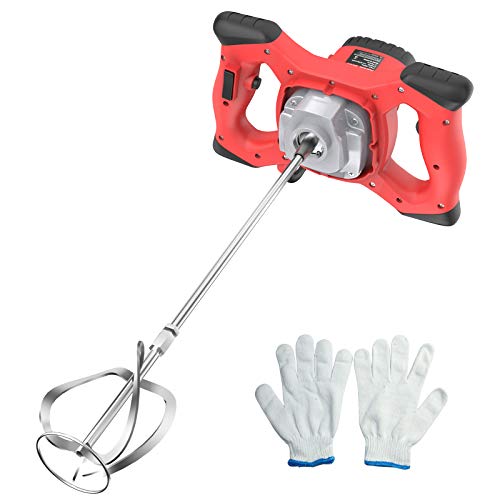
The IMAYCC 2100W electric cement mixer is designed for homeowners and DIYers who need reliable mixing performance without industrial-grade complexity. Its 2100-watt motor operates across a 270-900 RPM range, allowing you to adjust speed based on material viscosity and project requirements. Whether you're mixing thin-set mortar for tile work, blending plaster for drywall repair, or stirring paint and grout, the variable speed control gives you the flexibility to handle diverse home improvement tasks efficiently.
The dual-paddle screw design is engineered to minimize splashing while ensuring thorough mixing throughout the bucket. The self-locking switch adds a safety layer by preventing accidental starts, and the automatic overheating protection with porous heat dissipation design means the motor shuts down if temperatures climb too high, protecting your investment during extended use. These built-in safeguards are particularly valuable for weekend warriors who may not be familiar with professional-grade equipment operation.
Maintenance is straightforward thanks to the all-copper carbon brush holder, which allows quick replacement without special tools. The kit includes two spare carbon brushes and installation wrenches, so you can keep the mixer operational without waiting for parts to arrive. The ergonomic dual handles are positioned to distribute weight evenly across both hands, reducing fatigue during the repetitive motion of mixing, which matters when you're tackling larger projects around your home.
| Specification | Details |
|---|---|
| Motor Power | 2100 watts |
| Speed Range | 270-900 RPM (6 adjustable speeds) |
| Voltage | 110V AC |
| Paddle Design | Dual-paddle screw |
| Switch Type | Self-locking |
| Overheating Protection | Automatic power-off |
| Heat Dissipation | Porous design |
| Handle Type | Dual ergonomic handles |
| Brush Holder | All-copper carbon |
| Included Accessories | 2 spare carbon brushes (7x11x15mm), 2 installation wrenches |
| Applications | Concrete, cement, mortar, plaster, paint, grout, thin-set, fodder, printing ink |
Preparation: Before starting, ensure your bucket or mixing container is stable and positioned on a flat surface. Fill the bucket with your dry materials first, then add liquids gradually. Never fill above the three-quarter mark to prevent splashing and overflow during mixing.
Operation: Insert the mixer into the bucket at a slight angle, keeping it centered. Start at the lowest speed setting and gradually increase to your desired speed based on material thickness and consistency. Move the mixer slowly in circular motions throughout the mixture, allowing the dual-paddle design to thoroughly blend ingredients. Keep both hands on the ergonomic handles for stability and control.
Safety Tips: Always wear safety glasses and work gloves when mixing. Keep the power cord away from the mixing area to prevent entanglement. Allow the motor to cool if the automatic shutoff engages. Never leave the mixer running unattended, and always unplug before removing the mixer from the bucket or performing maintenance.
Speed Selection: Use lower speeds (270-400 RPM) for thick materials like concrete and mortar to prevent splashing. Use higher speeds (700-900 RPM) for thinner mixtures like paint and grout. Start low and increase gradually to find the optimal speed for your specific material.
Mixing Technique: Rather than keeping the mixer stationary, move it in slow, deliberate circular motions to ensure even blending throughout the entire bucket. This technique prevents material from settling at the bottom and reduces the risk of unmixed pockets.
Maintenance: Check carbon brushes regularly for wear. The included spare brushes make replacement simple and quick. Clean the mixer immediately after use to prevent dried material from hardening on the paddles, which can reduce efficiency and require more effort to remove later.
Material Consistency: Start with slightly less liquid than you think you'll need, then add incrementally. It's easier to thin a mixture than to thicken one. This approach saves time and reduces waste.
Who Should Buy This Mixer: This model suits homeowners and DIYers tackling tile installation, drywall repair, painting, and general concrete work. It's powerful enough for serious weekend projects but compact enough to store in a garage or shed. If you're mixing materials regularly for home improvement tasks, this mixer will save significant time and physical effort compared to manual stirring.
Project Types: The IMAYCC 2100W excels at mixing thin-set mortar for backsplash and floor tile, blending plaster for drywall patches, stirring paint for large room projects, and preparing grout for tile work. Its variable speeds make it adaptable to different material viscosities, so one tool handles multiple applications.
What to Consider: This mixer requires a 110V outlet, so ensure you have accessible power on your job site. The dual-paddle design works best in buckets or containers with vertical walls (avoid tapered containers). While powerful, this is a handheld tool, not a stationary mixer, so it requires user effort and control throughout the mixing process.
Included vs. Purchased Separately: The kit includes everything you need to get started: spare carbon brushes and installation wrenches. You'll only need to provide a suitable bucket or container and the materials you plan to mix.
Concrete Mixer Buying Guide
Choosing the right concrete mixer means matching the machine’s capabilities to your actual project demands. A handheld paddle mixer is perfectly adequate for mixing a bag of thinset or grout. A four-cubic-foot drum mixer is the right call for a backyard patio or garden wall. Understanding the key specifications before you buy saves you from underpowering a large job or overspending on capacity you’ll never use.
Drum Capacity and Project Scale
Drum capacity is measured in cubic feet and is the single most important number to understand before buying a drum-style mixer. A compact four-cubic-foot drum, like those on the YARDMAX YM0115, the BILT HARD models, and the SPECRAFT, handles the majority of residential DIY work: fence posts, small footings, garden steps, and repair patches. If you’re managing a larger pour or want extra headroom, the LDHTHOPI 5.3 Cu.Ft model offers a bit more volume with a beefy 750W motor to match. For truly high-volume continuous work, the wheeled Mud Mixer Portable Mudmixer at the top of the professional tier is in a class of its own, though its price reflects professional-grade use.
A rule of thumb: never fill a drum more than about 60 percent of its rated capacity. Overfilling reduces mixing efficiency and strains the motor. So a four-cubic-foot drum realistically mixes just over two cubic feet per batch, which is enough for several fence-post holes or a modest footing pour.
Motor Power and Mixing Performance
Motor power determines how well a mixer handles heavier mixes like stiff concrete with coarse aggregate versus lighter applications like grout or mortar. For drum mixers, motors in the 375W to 550W range, such as those on the SPECRAFT and the BILT HARD Electric Cement Mixer, are well-suited to standard DIY concrete batches. Step up to 750W or more, as with the LDHTHOPI, when you plan to mix stiffer, aggregate-heavy loads consistently. For handheld paddle mixers, wattage climbs considerably: the IMAYCC runs at 2100W and the SILVEL peaks at 2300W, because these tools must overcome the resistance of thick materials being stirred at high speed by a drill-style motor rather than a rotating drum.
For drill-based mixing, the BOSCH GBM9-16 brings genuine professional power at nine amps. Paired with a quality paddle attachment like the Edward Tools mixer, it turns a standard drill into a capable mixing station for mortar, paint, and thinset without requiring a dedicated drum machine. Similarly, the Milwaukee 18V cordless mud mixer offers the freedom of battery power, which matters on jobsites without convenient outlets. Heavy construction work often also calls for rotary hammers nearby, since drilling anchor holes into newly cured concrete is a natural next step after a pour.
Portability and Jobsite Mobility
Drum mixers range from stationary-ish units you position once and leave to true wheelbarrow-style designs with pneumatic wheels you can push around a property. The BILT HARD models, the SPECRAFT, and the LDHTHOPI all feature wheel-and-stand designs that let you maneuver the loaded drum closer to the pour site before tilting the drum to discharge. This matters enormously when you’re working alone and can’t easily carry a bucket of wet concrete across a yard. Look for machines with pneumatic or solid rubber wheels rated for uneven terrain if your worksite isn’t a level driveway.
Handheld paddle mixers, on the other hand, go wherever you go and require nothing more than a power outlet or a charged battery. The IMAYCC and SILVEL models weigh just a few pounds and fit in a tool bag. The Milwaukee 18V cordless version removes even the cord constraint, making it ideal for remote or multi-level sites. For comparison, framing work on the same jobsite might call for framing nailers that share that same need for mobility and reliable power delivery.
Drum Material and Build Quality
Concrete is abrasive. Over time, it degrades inferior drum materials and stresses cheap welds. Steel drums are the traditional choice and remain common on contractor-grade machines, but they require diligent cleaning after every use to prevent rust and concrete buildup. Poly (polyethylene) drums, featured on both BILT HARD models and the YARDMAX, resist rust entirely, clean up more easily, and are generally lighter. The trade-off is that poly can flex or crack under extreme stress, so look for reinforced rims and sturdy drum ribs on any poly-drum machine you consider.
Frame construction matters as much as the drum itself. Welded steel frames are preferable to bolted frames for heavy-use applications. Check that the discharge chute and drum tilt mechanism use reinforced pivot points; these are high-stress areas that show wear on cheaper units first. If you’re also doing surface work around your concrete project, oscillating multi tools are invaluable for scraping dried mortar or cutting through cured grout in tight spots.
Speed Settings and Control
For drum mixers, speed is typically fixed and controlled through drum geometry and motor output. Handheld paddle mixers, however, benefit greatly from variable speed control. Both the IMAYCC and SILVEL models offer six adjustable speeds, which lets you start slowly to prevent splashing dry mix and then ramp up to full power once the material is wet and combined. The BOSCH GBM9-16 uses a D-handle design with trigger control for intuitive variable speed. Variable speed is especially valuable when mixing lighter materials like paint, grout, or thinset, where overspinning a paddle can introduce air bubbles that weaken the finished surface.
Handheld Paddle Mixers vs. Drum Mixers
Understanding which type of mixer you actually need prevents both under-buying and over-spending. Handheld paddle mixers, including the BOSCH GBM9-16, the Milwaukee 18V, the IMAYCC, and the SILVEL, are purpose-built for mixing materials in buckets or smaller containers. They excel with mortar, thinset, grout, paint, plaster, and similar materials in volumes up to roughly five gallons. They do not replace drum mixers for concrete with coarse aggregate.
Drum mixers, by contrast, handle true concrete with gravel aggregate, working through the mechanical tumbling action of the rotating drum. If you’re setting multiple fence posts, building a garden wall, or pouring a small slab, a drum mixer is the right tool. The Edward Tools drill attachment occupies a middle ground, useful for single bags of bagged concrete mix dissolved in a bucket when you only need a tiny repair batch and don’t want to clean a drum machine. Knowing your material and volume before you buy is the single most effective way to choose the right machine. Good project prep also involves other tools, like ladders for elevated work nearby or pry bars for form removal after the concrete cures.
Safety and Ease of Use
Concrete work carries real safety considerations beyond the mixer itself. Wet concrete is caustic and can cause chemical burns on prolonged skin contact. Always wear gloves, eye protection, and appropriate footwear on any pour site. For handheld paddle mixers, the torque generated when a paddle catches on stiff material can twist the operator’s wrist sharply. The BOSCH GBM9-16’s D-handle design specifically addresses this by giving the operator a stable two-handed grip that absorbs torque reaction. Look for anti-kickback features or dual-handle designs on any high-power handheld mixer.
On drum mixers, keep hands and tools away from the rotating drum opening during operation. Most quality machines include a guard or protective lip around the drum opening. After mixing, discharge the drum carefully and clean it immediately; dried concrete inside a drum is much harder to remove and degrades the drum lining over time. A stud finder is a useful companion tool on the same renovation project when you need to mount forms or anchor bracing to walls before a pour.
Why Trust HomeThru
HomeThru is an independent editorial platform. We don’t sell products, manage orders, or handle returns. Our recommendations come from genuine research: we analyze product specifications, compare manufacturer claims against verified owner feedback across thousands of reviews, and evaluate how real users report each machine performing under practical conditions. We have no financial relationship with any of the brands in this article, and our editorial team is not influenced by advertising budgets. Our goal is simple: give you honest, usable guidance so you spend money on the right tool the first time.
For this guide, we reviewed mixer options from YARDMAX, BILT HARD, SPECRAFT, LDHTHOPI, BOSCH, Milwaukee, IMAYCC, SILVEL, and others, cross-referencing hundreds of owner reports to identify consistent strengths and recurring complaints for each model. We also drew on broader construction and renovation context to understand how concrete mixers fit into larger DIY and light-contractor workflows. If you’re outfitting a full renovation toolkit, you might also find our coverage of miter saws, power planers, and caulk guns useful for the finishing stages of the same projects where concrete work is just the beginning.
Final Thoughts
The best concrete mixers for most homeowners and DIY enthusiasts are the drum-style machines in the four-to-five-cubic-foot range with robust motors, wheeled frames for easy mobility, and poly drums for easy cleanup. For anyone who primarily mixes mortar, thinset, grout, or paint rather than true concrete with coarse aggregate, a high-wattage handheld paddle mixer delivers excellent results at a fraction of the price and takes up almost no storage space. Professional and semi-professional users who need a reliable cordless option will appreciate the Milwaukee 18V’s battery freedom on sites without accessible power.
Here are our standout picks from this lineup:
- Best Overall Drum Mixer: YARDMAX YM0115 4.0 Cu. Ft. Concrete Mixer, a proven, well-reviewed drum mixer with a trusted brand reputation and strong owner satisfaction across hundreds of verified purchases, making it a dependable centerpiece for DIY concrete work at a mid-range price.
- Best Heavy-Duty Drum Mixer: LDHTHOPI 5.3 Cu.Ft Portable Concrete Mixer, the largest drum capacity in this roundup with a genuine one-horsepower motor, earning the highest star rating of any drum mixer in the group and suited to demanding residential and light commercial pours.
- Best Value Drum Mixer: Electric Cement Mixer 4.3 Cubic Ft. 450W Portable, significantly lower-priced than comparable drum mixers with a practical stand-and-wheel design, making it accessible for budget-conscious homeowners tackling occasional concrete projects.
- Best Handheld Paddle Mixer: SILVEL Cement Mixer Max 2300W, the highest-wattage handheld option in the lineup with six adjustable speeds, ideal for mixing mortar, paint, plaster, and grout in buckets without the bulk of a drum machine.
- Best Drill-Based Mixing System: BOSCH GBM9-16 9 Amp Mixer with D-Handle, purpose-engineered for professional drill-mixing with a torque-absorbing D-handle design, earning an outstanding rating across hundreds of reviews from tradespeople who rely on it for daily mortar and thinset work.
No matter which machine you choose, invest in proper safety gear, clean your mixer drum or paddle immediately after every use, and match your machine’s capacity to your actual project needs. A mixer that’s right-sized for your work will outlast one that’s constantly pushed beyond its design limits. For the other tools your renovation projects demand, explore our guides to paint sprayers, paint rollers, finish nailers, and roofing nailers to cover every phase of your build.
Frequently Asked Questions
What Is the Difference Between Cement and Concrete?
Cement is an ingredient; concrete is the finished material. Portland cement is a fine powder that acts as a binder when mixed with water. Concrete is the aggregate that results from combining cement with water, sand, and gravel or crushed stone. Most home projects require concrete, not pure cement, and mixers are designed to handle the full aggregate blend. Knowing this distinction helps you buy the right bagged product at the hardware store and set realistic expectations for your mixer’s performance.
Can I Mix Concrete Without a Drum Mixer?
Yes, for very small quantities. A hoe and a mason’s tub or wheelbarrow works for a single bag, though it’s physically demanding and produces less consistent results than mechanical mixing. A drill-based paddle attachment like the Edward Tools mixer is a practical upgrade that still works in a bucket or tub. For anything beyond one or two bags, a drum mixer pays for itself quickly in saved labor and better batch quality. For reference, a standard 60-pound bag of concrete mix yields roughly half a cubic foot of finished concrete.
How Do I Clean a Concrete Mixer After Use?
Clean your drum mixer immediately after emptying it, before the residual concrete begins to set. Add a small amount of water and a few clean rocks or gravel to the drum, run it for a couple of minutes to scrub the interior, then discharge and rinse thoroughly. For handheld paddle mixers, rinse the paddle under running water right after use and wipe down the mixer head. Dried concrete inside a drum or on a paddle significantly shortens equipment lifespan and increases motor strain on subsequent uses. Never let concrete cure inside the drum overnight. If you’re doing surface work around the same project, rubber mallets are helpful for tapping stuck forms loose without damaging finished edges.
How Much Concrete Can I Mix Per Hour With a Drum Mixer?
A standard four-cubic-foot drum mixer working at roughly 60 percent capacity per batch can realistically turn around three to five batches per hour depending on your loading and discharge speed. That translates to roughly six to twelve cubic feet of mixed concrete per hour under steady operation. Batch time from loading dry ingredients to discharging mixed concrete typically runs three to five minutes. Planning your pour around these realistic numbers prevents the common DIY mistake of mixing more concrete than you can place and finish before it begins to set.
Is a Cordless Mud Mixer Worth It Compared to a Corded Model?
Cordless paddle mixers like the Milwaukee 18V make the most sense on sites where running an extension cord is impractical, such as multi-level construction, remote outdoor areas, or busy jobsites where cords create tripping hazards. For a dedicated workshop or home garage setup where a power outlet is always nearby, a corded model like the BOSCH GBM9-16 or the IMAYCC delivers uninterrupted runtime without battery management. If you already own Milwaukee 18V batteries from other tools, adding the cordless mud mixer to your battery ecosystem is a particularly cost-effective decision since you won’t need to buy an additional charger or battery platform. Cordless tools in general pair well with a full renovation toolkit; brad nailers and pneumatic flooring nailers are natural complements for the interior finish work that often follows concrete and structural phases of a renovation.





Write Your Review
No reviews yet. Be the first to share your experience!